 Blaine Roofing
 Roofing Dakota Creek: A Different Set of Problems Than Inland Homes
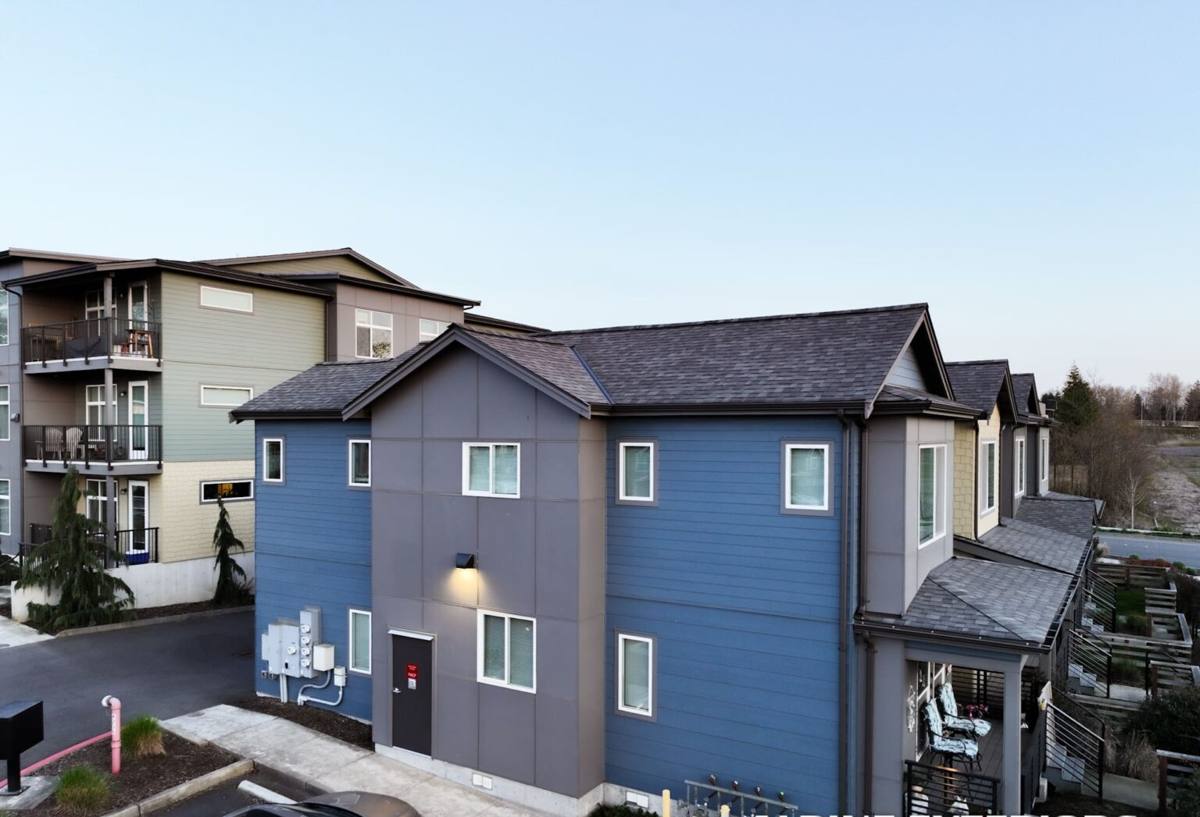
Dakota Creek sits close enough to the water and to Blaine's marine air that roofs here age differently than roofs twenty miles inland in Whatcom County. The shingles themselves might be the same product sold everywhere in the Pacific Northwest, but what happens to them once they're nailed down is not the same. Salt-laden air off the Strait of Georgia and Drayton Harbor works on exposed metal. Driving rain off the water finds gaps that would never leak on a calmer roof. And the tree cover and shade that make this part of Blaine pleasant to live in also keep roofs damp long enough, long enough of the year, for moss to get a foothold and stay.
None of that means asphalt shingles are a bad choice for a Dakota Creek home. They're still the most practical, cost-effective roofing material for most houses in this area, and a properly installed shingle roof holds up fine here for decades. But "properly installed" means something more specific in this microclimate than it does in a dry inland subdivision. This page covers what that actually looks like.
What Salt Air and Driving Rain Actually Do to a Roof
Metal Components Corrode Faster
Asphalt shingles themselves are fairly inert — it's the metal flashing, fasteners, and vents around them that take the brunt of salt exposure. Standard galvanized steel flashing and exposed nail heads near the coast corrode noticeably faster than the same materials would twenty miles inland. Once flashing starts to pit and rust, it stops shedding water cleanly at valleys, chimneys, and wall intersections — and that's where the majority of shingle roof leaks actually start, not in the open field of the roof.
Wind-Driven Rain Finds Weak Laps
Blaine sits exposed to weather coming off the water, and wind-driven rain doesn't behave like a straight-down downpour. It gets pushed sideways and upward under shingle tabs, through poorly sealed laps, and into fastener penetrations that would be fine in calmer conditions. A roof detailed for average rainfall, rather than for wind-driven rain, will often perform fine for a few years and then start showing intermittent leaks during specific storm patterns — which makes the cause hard to track down after the fact.
Moss and Algae Have More Time to Work
Shaded, moisture-retentive conditions near Dakota Creek's tree cover and the general dampness of this stretch of Whatcom County mean roof surfaces stay wet longer after a rain than they would in full sun. That extended wet period is exactly what moss and algae need. Left unmanaged, moss doesn't just look bad — it lifts shingle edges, holds water against the roof deck, and accelerates granule loss.
What a Correctly Built Shingle Roof Needs Here
A shingle roof built for this specific stretch of Blaine should account for all three of the issues above, not just the shingle brand printed on the invoice. The differences are mostly in the details underneath and around the shingles.
- Ice-and-water shield membrane at eaves, valleys, and around all roof penetrations — not just the minimum code strip
- Corrosion-resistant flashing (painted or coated steel, or better) at chimneys, walls, and valleys instead of bare galvanized
- Balanced intake and exhaust ventilation so the underside of the deck doesn't stay damp between storms
- Algae-resistant shingle products where moss and algae pressure is high, especially on shaded slopes
- Properly lapped and sealed underlayment sized for wind-driven rain, not just a standard felt layer
- Fasteners rated for coastal exposure rather than standard interior-grade nails
Our Install Process for Dakota Creek Homes
The process itself follows standard trade practice, but where we spend extra attention reflects what actually fails on roofs in this area.
- Roof and deck inspection. We check the existing deck for soft spots, prior moisture damage, and ventilation problems before anything gets torn off — this matters more here because trapped moisture from years of moss cover sometimes isn't visible from the ground.
- Tear-off and deck repair. Old shingles and underlayment come off, and any damaged decking is replaced rather than covered over.
- Ice-and-water membrane at vulnerable areas. Eaves, valleys, and penetrations get self-adhered membrane, sized generously given the wind-driven rain this area sees.
- Synthetic underlayment across the field. Properly lapped and fastened to shed water even if wind gets under the shingle tabs.
- Corrosion-resistant flashing. New flashing at all chimneys, walls, skylights, and valleys — this is not an area to reuse old flashing to save cost.
- Shingle installation to manufacturer spec. Correct nail placement, count, and exposure — under-nailing is a common cause of wind damage in exposed coastal locations.
- Ventilation check and correction. Intake and exhaust balanced so the attic or roof assembly can actually dry out between wet spells.
- Final walkthrough. We show the homeowner what was done and what to watch for going forward, including moss management expectations for shaded slopes.
Shingle Options: What Actually Matters for This Location
| Factor | 3-Tab Shingles | Architectural (Laminate) Shingles |
|---|---|---|
| Wind resistance | Lower rated, more prone to lifting in driving coastal wind | Higher wind rating, better fit for exposed sites near the water |
| Algae resistance option | Available on some lines | Widely available, recommended for shaded/moss-prone slopes |
| Expected lifespan here | Shorter, especially on exposed or shaded slopes | Longer, better tolerance of repeated wet cycles |
| Upfront cost | Lower | Moderate — the added durability usually pays for itself in fewer repairs |
| Appearance | Flat, uniform | Dimensional, heavier-looking profile |
For most Dakota Creek homes we recommend architectural shingles with an algae-resistant rating, particularly on north-facing or tree-shaded slopes. The added upfront cost is modest compared to the cost of dealing with moss damage or premature wind-related repairs a few years down the road.
Living With Moss: What Homeowners Can Actually Do
No shingle product is fully moss-proof in a shaded, damp location — algae-resistant shingles slow growth, they don't stop it entirely. Ongoing, light maintenance matters more here than in drier parts of the county.
- Keep overhanging branches trimmed back so more sunlight and airflow reach the roof surface
- Clear debris from valleys and gutters each fall before the wet season settles in
- Have moss growth removed by a professional using proper technique — pressure washing strips granules and shortens shingle life, so it should never be used on asphalt shingles
- Watch for zinc or copper control strips as a preventive option on new installs in heavy-moss areas
- Schedule a roof check every year or two rather than waiting for a visible leak
A little routine attention goes a long way toward getting the full expected lifespan out of a shingle roof in this climate.
Why Hiring a Crew That Already Works This Area Matters
Any licensed roofing contractor can install shingles to code. The difference in a place like Dakota Creek shows up in the judgment calls that aren't spelled out on a spec sheet — how much ice-and-water membrane is actually enough given this specific wind exposure, which flashing grade is worth the upgrade, and how aggressively to plan ventilation on a shaded, tree-covered lot. A crew that regularly works Blaine and the surrounding Whatcom County coastline has already seen how roofs in this specific setting fail, and builds accordingly instead of applying a generic, one-size-fits-all install.
There's also a practical service side to this. Local crews can respond faster for warranty checks, storm damage assessments, or a moss-related question a few years after install, without a long drive or scheduling delay. For a roof that's meant to last two or three decades, having a contractor who's actually local — and plans to stay local — is worth factoring into the decision.
What to Expect From an Estimate
A proper estimate for shingle roofing includes more than a square-footage price. It should account for the current roof's condition, the amount of ice-and-water membrane and flashing upgrades needed for this specific site, ventilation status, and any deck repair likely to be uncovered during tear-off. Be cautious of any quote that's given without an actual roof inspection — pricing for a coastal Blaine home should reflect the site, not a generic per-square rate pulled from an average.
| Cost Factor | Why It Matters Here |
|---|---|
| Roof pitch and access | Steeper or harder-to-access roofs take longer and carry more labor cost |
| Extent of deck repair | Moisture-damaged decking under old moss cover is common and adds material and labor |
| Flashing upgrades | Coastal-grade flashing costs more than bare galvanized but avoids early corrosion failures |
| Underlayment and ice-and-water coverage | Extra coverage for wind-driven rain areas adds material cost but reduces leak risk |
| Shingle line chosen | Architectural, algae-resistant lines cost more upfront than basic 3-tab |
A Roof Built for Where You Actually Live
A shingle roof installed without accounting for salt air, wind-driven rain, and a long moss season might look identical to a properly built one on install day. The differences show up three, five, and ten years later — in flashing that's holding up instead of rusting through, in a roof deck that stayed dry, and in shingles that are still doing their job instead of curling at the edges under a mat of moss. Building it right the first time costs less over the life of the roof than repeatedly patching one that wasn't.
If you're weighing a repair, a full replacement, or just want an honest read on where your current roof stands, we're happy to take a look. Fill out the form below for a free, no-pressure estimate — we'll walk the roof, explain what we find in plain terms, and let you decide from there.