 Blaine Roofing
 Exterior Contractors Serving Ferndale, Washington
Ferndale sits close enough to the water and far enough into the county's marine weather pattern that homes here take a specific kind of beating. Blaine Roofing Co works throughout Whatcom County, and Ferndale is one of the areas we're in regularly for roofing, siding, window, and deck work. We're not a call center dispatching whoever's free — you get a crew that already understands what this climate does to a house and shows up prepared for it, not guessing.
Being local isn't a slogan for us. It means we know how a Ferndale roof ages differently than one twenty miles inland, and we plan the work accordingly.
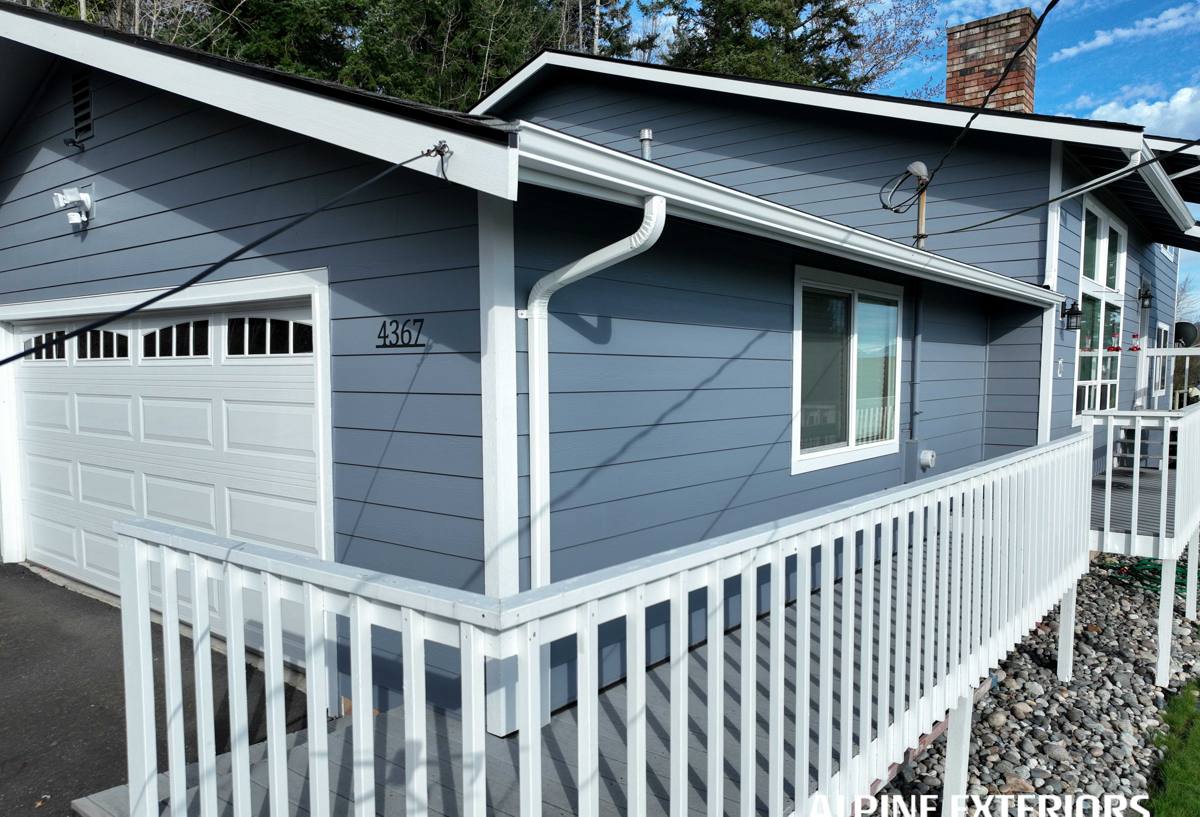
What the Climate Does to Ferndale Homes
Three things drive most of the exterior wear we see out this way: salt-laden air off the Strait of Georgia and Puget Sound, driving rain that comes in sideways during winter storms, and a moss season that can run eight months or longer under the right shade and moisture conditions.
Salt Air and Metal Fatigue
Salt in the air accelerates corrosion on anything metal — roof flashing, fasteners, gutter hardware, even the metal components in some siding systems. It's slow and easy to ignore until a fastener fails or flashing starts leaking at a seam. Homes closer to open water see this faster, but Ferndale properties further inland aren't immune, especially in exposed or elevated spots.
Driving Rain and Wind-Driven Moisture
Winter storms here don't just rain down, they rain sideways. That matters because a roof or siding system that sheds water fine in a straight-down rain can still let moisture push up under laps, around trim, or through poorly sealed penetrations when wind is driving it horizontally. Proper flashing detail and lap orientation matter more here than in drier climates where installers can get away with shortcuts.
Moss, Algae, and the Long Wet Season
Whatcom County's wet season stretches long, and shaded roof sections — north-facing slopes, areas under tree cover — stay damp for weeks at a stretch. That's exactly what moss and algae need to take hold. Moss doesn't just look bad; it holds moisture against roofing material, lifts shingle edges, and works its way into seams over time. Left unchecked for a few seasons, it shortens the life of an otherwise sound roof.
Roofing Built for This Environment
When we roof a home in Ferndale, we're accounting for all three of those stressors from the start — not adding fixes after the fact. That means:
- Flashing details sized and lapped for wind-driven rain, not just standard vertical drainage
- Fastener and hardware choices that hold up under salt exposure rather than corroding out early
- Ventilation planning that limits the trapped moisture moss and algae rely on
- Material selection matched to the home's sun and shade exposure, since a north-facing roof and a south-facing roof age at different rates on the same property
We also do straightforward roof repair — storm damage, isolated leaks, flashing failures, moss removal and treatment — for homeowners who aren't ready for a full replacement but need the problem addressed correctly the first time.
Siding That Handles Salt Air and Wet Winters
Siding takes a similar beating: wind-driven rain testing every seam and joint, humidity that never fully lets a wall assembly dry out in winter, and salt air working on anything metal over time. Our standard is fiber cement and quality engineered wood siding installed with correct water management behind it — proper house wrap, flashing at every penetration, and lap details that don't rely on caulk alone to keep water out. Caulk fails eventually; good flashing and lap sequencing don't depend on it holding forever.
We're selective about which siding systems we install, and that's a professional standard, not a marketing point. Some products handle Pacific Northwest moisture cycling — the repeated wet-dry swings through fall and winter — better than others over a 20- to 30-year span. We'll walk you through the trade-offs in maintenance, appearance, and warranty structure for whatever we're proposing on your home, so you know what you're getting and why.
Windows: Where Moisture Problems Often Start
A lot of the moisture damage we get called out for doesn't start at the roof — it starts at window flashing that was never detailed correctly, or old windows that have simply reached the end of their sealed-glass life. In a climate with this much sustained rain, window flashing integration with the siding system is one of the most important — and most commonly rushed — parts of an exterior job. We treat it as its own step, not an afterthought bolted on after siding goes up.
Beyond moisture control, updated windows in this region typically mean a real difference in comfort during winter storms and in heating costs over a full year, since older single-pane or early dual-pane units lose a lot of heat through the frame and glass edge.
Decks: Built to Survive Wet Winters
A deck in Ferndale spends a good portion of the year wet. That changes what "properly built" means compared to a deck in a drier region — proper spacing between boards for drainage and airflow, ledger board flashing that actually keeps water out of the house rim joist (a common failure point we see on older decks), and material choices that handle repeated wet-dry cycling without cupping, splitting, or rotting out fasteners.
Composite decking has become a popular option here specifically because it removes a lot of the seasonal maintenance burden that wood decking carries in this climate — but it isn't the only right answer for every project, and we'll talk through real wood versus composite trade-offs honestly rather than push whichever is easier for us to install.
Cost Factors for Ferndale Exterior Projects
Every home is different, but the table below covers the main variables that move price on roofing, siding, window, and deck projects in this area.
| Project Type | Key Cost Factors | Climate-Specific Consideration |
|---|---|---|
| Roofing | Roof size and pitch, material choice, number of penetrations/flashing details, tear-off vs. overlay | Moss remediation and ventilation upgrades often add scope on shaded roofs |
| Siding | Square footage, material (fiber cement, engineered wood, etc.), trim complexity, existing damage | Full water-management detailing (wrap, flashing) adds labor but prevents wind-driven rain intrusion |
| Windows | Number of openings, frame material, glass package, whether flashing needs to be rebuilt | Proper flashing integration with siding is essential, not optional, in this rainfall pattern |
| Decks | Square footage, decking material, railing style, ledger and structural condition | Drainage spacing and ledger flashing directly affect how long the structure lasts in wet winters |
These are general factors, not a quote. Every estimate we give is based on an actual look at your home.
Why a Local Crew Matters
Whatcom County weather isn't uniform. A house closer to the water deals with more salt exposure; a house tucked under mature trees deals with more moss and shade-driven moisture; a house on an exposed rise takes wind differently than one in a sheltered spot. A crew that works this area regularly picks up on those differences without needing to be told — it shapes material choices, flashing details, and where we spend extra attention on your specific property.
It also matters for accountability. We're not driving in from out of the region for one job and disappearing. If something needs a follow-up look after a storm, we're still local and still reachable.
What to Check Before Hiring a Contractor
Whether you go with us or someone else, here's what's worth confirming before signing a contract for exterior work in this climate:
- Current, valid Washington contractor license and liability insurance — ask to see it, not just be told about it
- A written estimate that spells out materials, flashing details, and scope — not just a lump-sum number
- Manufacturer-specific installation training for the materials being proposed, since warranty coverage often depends on correct installation
- A clear answer on how they handle moisture management (flashing, wrap, ventilation) rather than just "we install X product"
- References or examples of similar work done in this specific region, not just generic photos
Get a Free Estimate
If you're noticing moss buildup, a leak that shows up only during heavy wind-driven rain, siding that's starting to show gaps or damage, or a deck that's feeling soft in spots, it's worth having someone look before it turns into a bigger repair. We offer free, no-pressure estimates for roofing, siding, window, and deck work in Ferndale and throughout the surrounding area — fill out the form below and we'll get in touch to schedule a look at your home.