 Blaine Roofing
 Roofing in the Peace Arch Area of Blaine
The Peace Arch area sits right at the international border in Blaine, in the northwest corner of Whatcom County, where the roofs on most homes are doing more work than people realize. Between the marine air coming off the bay, the long stretch of wet months, and the shade thrown by mature evergreens on a lot of these properties, a roof here ages differently than one thirty miles inland. We've built our roofing work around that reality rather than treating every job like a generic install.
This page covers what we see most often on Peace Arch roofs, how we approach repairs and replacements for this specific environment, and what to look for whether you're dealing with an active leak or just trying to get ahead of one.
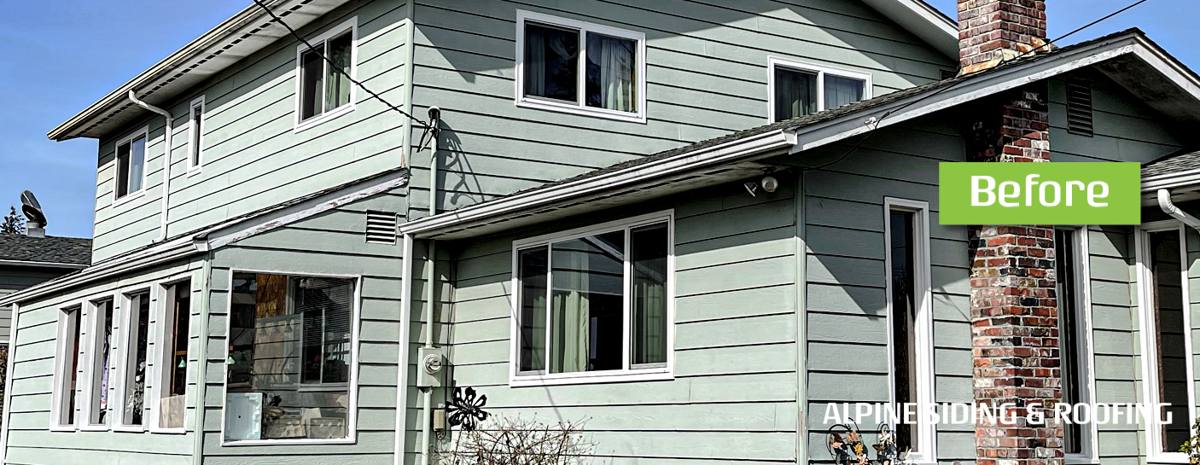
What This Climate Actually Does to a Roof
Salt Air and Metal Fatigue
Proximity to Semiahmoo Bay and the Strait of Georgia means airborne salt is a real factor here, not a coastal-town cliché. Salt-laden moisture accelerates corrosion on exposed metal — flashing, fasteners, vents, gutters — well before it would fail on a similar home further from the water. Uncoated or poorly finished metal components are usually the first thing to show it, with rust streaking at penetrations and edges.
Driving Rain
Storms coming off the water in this part of Whatcom County often bring wind-driven rain rather than straight-down rain. That matters because a roof system that's adequate for vertical rainfall can still let water in when it's being pushed sideways under shingle tabs, around chimney flashing, or through under-sized roof-to-wall transitions. Underlayment quality and flashing detail work carry more weight here than they would in a drier, calmer climate.
Moss and Shade
Blaine's tree cover and the region's long wet season give moss a lot of time to establish. Moss holds moisture against the roof surface, lifts shingle edges as it grows, and can work its way under laps over a couple of seasons if it's never addressed. North-facing slopes and anything shaded by fir or cedar are the areas we check first.
Roof Repair
Not every roof problem needs a full replacement, and we won't tell you it does. Common repair calls in this area include:
- Flashing failures at chimneys, skylights, and roof-to-wall transitions
- Wind-lifted or cracked shingles after a storm
- Moss-related shingle lift and granule loss
- Corroded or failing metal valleys and vents
- Localized leaks traced to a single penetration rather than the whole field
A repair should fix the actual failure point, not just patch the symptom. When we find one leak, we check the surrounding area for related wear before closing it up — a leak rarely shows up exactly where the water is entering.
Roof Replacement
When a roof is past the point where repairs make sense — widespread granule loss, multiple leak points, or underlayment that's failing across large sections — full replacement is the honest recommendation. We walk homeowners through material options based on the specific exposure of the home: how much wind and rain it takes directly, how shaded it is, and how it faces relative to prevailing weather.
Common Roofing Materials for This Area
| Material | Typical Lifespan | How It Handles This Climate |
|---|---|---|
| Architectural asphalt shingle | 25–30 years | Good balance of cost and performance; needs proper underlayment and flashing detail to handle driving rain |
| Standing seam metal | 40–50+ years | Sheds wind-driven rain well; requires a marine-grade coating and quality fasteners to resist salt-air corrosion |
| Synthetic/composite shingle | 30–50 years | Resists moisture absorption better than wood; low maintenance in shaded, moss-prone areas |
| Cedar shake | 20–30 years with upkeep | Traditional look but higher maintenance burden in a wet, mossy climate; needs regular treatment and ventilation |
We don't push one material on every home. A shaded lot buried in fir needles calls for different priorities than an open lot catching full wind off the water, and we'll say so plainly during the estimate.
Why Ventilation and Underlayment Matter More Here
In a drier climate, a roof can get away with mediocre attic ventilation for years. In Whatcom County's marine climate, poor ventilation traps moisture against the roof deck, which speeds up rot, encourages moss and mildew, and can void material warranties that require proper airflow. Underlayment is the same story — it's the layer doing the real work when wind pushes rain up under the shingle line, and it's also the layer nobody sees once the job is done. We treat both as part of the roof system, not optional add-ons.
Beyond the Roof: Siding, Windows, and Decks
A roof doesn't fail in isolation. Water that gets past flashing often shows up next in siding, trim, or a deck ledger board, and windows that leak at the head flashing can mimic a roof problem entirely. Because we handle siding, roofing, windows, and decks as one contractor, we can look at a Peace Arch home's whole exterior envelope during an estimate instead of diagnosing the roof in a vacuum and missing a related issue at a window or wall transition. That's a practical advantage in a climate where water problems rarely stay contained to one component.
Why a Local Crew Matters Here
Roofing in a border town has a few quirks worth knowing about. Permitting and inspection timelines run through Whatcom County or the City of Blaine depending on the property, and a crew that works this area regularly already knows the process instead of learning it on your job. Beyond paperwork, a local crew has actually seen how homes in this specific pocket of the county age — which slopes hold moss longest, which older homes still have undersized flashing from a prior era of construction, and which materials have held up versus struggled in this exact salt-and-rain combination. That's knowledge you don't get from a crew driving in from outside the region for a single job.
Maintenance That Actually Extends Roof Life Here
Most roof failures we see in this area are the slow kind — years of small, ignored issues compounding, not one dramatic storm. A basic seasonal maintenance rhythm goes a long way:
- Clear moss and debris from north-facing and shaded slopes before it establishes
- Keep gutters and downspouts clear so water isn't backing up under the roof edge
- Check flashing around chimneys, skylights, and vents annually for gaps or corrosion
- Trim back overhanging branches to reduce shade, debris, and moss pressure
- Have the attic checked for adequate ventilation and any signs of trapped moisture
- Address small leaks or lifted shingles immediately rather than waiting for the next dry stretch
Signs a Roof Needs a Professional Look
Homeowners often wait too long because early roof problems don't look urgent. Worth a call if you notice:
- Granules collecting in gutters or at downspout outlets
- Dark streaking or thick moss growth on shaded sections
- Daylight visible through the attic roof deck
- Soft or spongy spots when walking the roof (a sign we should check, not you)
- Water stains on interior ceilings, especially after a windy storm
- Rust staining running down from metal flashing or vents
What Affects the Cost of a Roofing Project
| Factor | Why It Matters |
|---|---|
| Roof size and pitch | More surface area and steeper slopes increase material and labor time |
| Material choice | Asphalt, metal, and composite options carry different upfront costs and lifespans |
| Existing deck condition | Rotted or water-damaged decking found underneath adds repair scope |
| Number of penetrations | Chimneys, skylights, and vents each need individual flashing work |
| Access and tear-off | Layers of old roofing to remove, and how easily equipment can reach the site, affect labor |
| Ventilation upgrades | Bringing attic airflow up to standard adds cost but protects the new roof's lifespan |
We give straightforward, itemized estimates so you can see what's driving the number, rather than a single lump figure with no explanation behind it.
How We Approach a Roofing Project
Every job starts with an on-site inspection, not a guess from a photo or a drive-by. We look at the roof surface, the attic and ventilation where accessible, the flashing detail at every penetration, and the condition of the decking underneath where that's visible. From there we give an honest assessment of whether the home needs repair, a partial re-roof, or a full replacement, along with material options suited to that specific roof's sun and wind exposure. If we find related issues in siding, trim, or windows during the inspection, we'll flag those too rather than staying narrowly focused on shingles.
If you're dealing with a leak, noticing moss creeping across your roofline, or just want an honest read on how much life is left in your roof, we're glad to come take a look. Reach out for a free, no-pressure estimate using the form below.