 Blaine Roofing
 Roofing Built for Lynden's Weather, Not Just the Job Site
Lynden sits inland from the coast, but the climate that shapes Whatcom County still shapes every roof here. Long stretches of steady rain through fall, winter, and spring keep roofing materials wet for days at a time. Cooler, shaded rooflines hold onto moisture longer than homeowners expect, and that moisture is what drives moss growth, slow-forming leaks, and premature wear on shingles, underlayment, and flashing. A roof that looks fine from the driveway can be losing ground season after season if it isn't inspected and maintained with this climate in mind.
We work on homes throughout the Lynden area as part of our regular Whatcom County service area, and we treat every roof the way we'd want ours treated: honest assessment first, then a recommendation that matches the actual condition of the roof, not just its age.
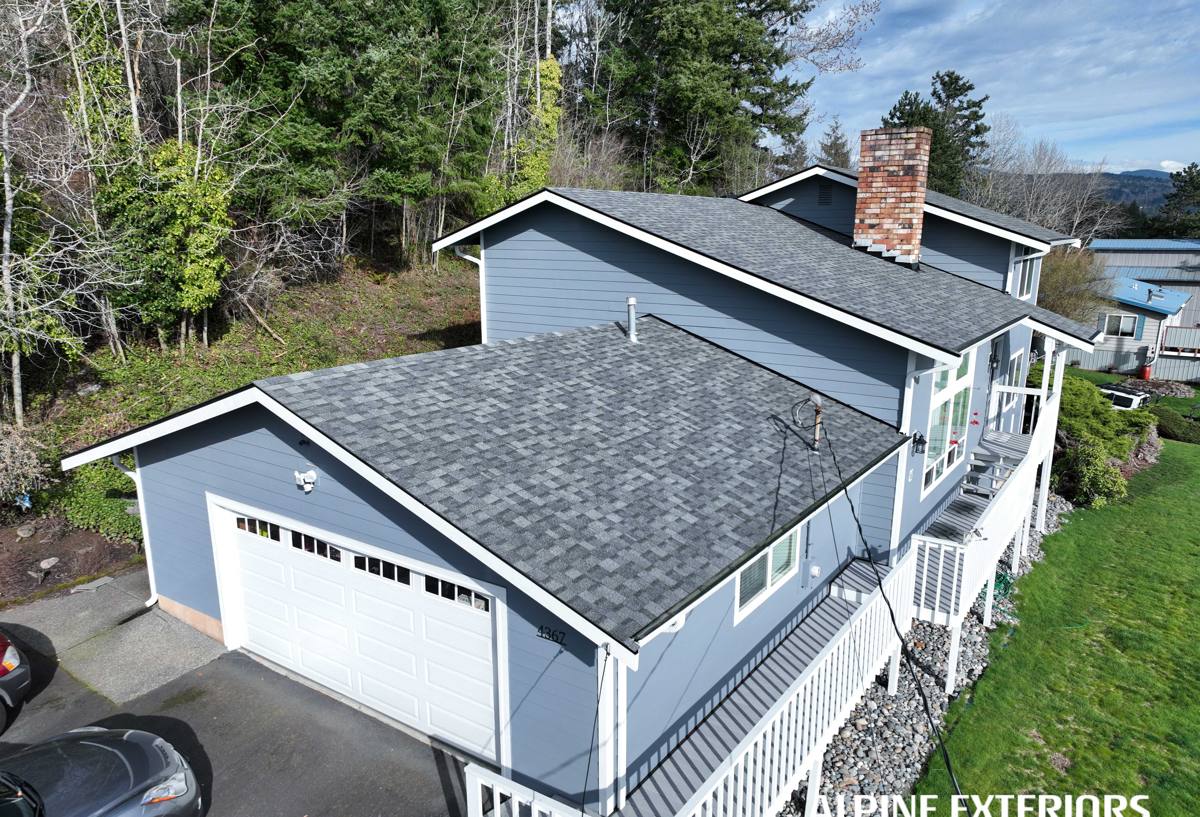
What Local Roofs Are Actually Up Against
Moss and Organic Growth
The long, wet stretch of the Pacific Northwest calendar means moss has plenty of time to establish itself, especially on north-facing slopes and roof sections shaded by trees. Moss isn't just cosmetic. As it grows, it lifts shingle edges and holds water against the roofing surface far longer than the material was designed to tolerate. Left unchecked for multiple seasons, moss can shorten the life of an otherwise sound roof significantly.
Driving Rain and Wind-Driven Moisture
Storms that bring rain sideways rather than straight down put stress on flashing, valleys, and any place where two roof planes or a roof and a wall meet. These are the areas most likely to develop slow leaks that don't show up as an obvious drip inside the house right away — instead they show up as staining, soft spots in the decking, or musty smells in an attic space.
Salt Air and Coastal Influence
Whatcom County's proximity to Puget Sound and the Strait of Georgia means many homes, including those further inland, get some exposure to salt-laden air, particularly during windier weather. Salt air accelerates corrosion on exposed metal components — nails, flashing, vents, and gutter hardware — which is one reason we pay close attention to the metal details on a roof, not just the shingles themselves.
Temperature Swings and Freeze-Thaw Cycles
Whatcom County doesn't get the deep freezes of colder climates, but it does get enough cold snaps mixed with wet weather to create freeze-thaw stress. Water that gets into small cracks or under lifted shingle edges can freeze, expand, and widen the damage, then thaw and let more water in. Over several winters this cycle compounds.
Roof Repair vs. Roof Replacement: How We Help You Decide
Not every roofing problem calls for a full replacement, and we won't tell you it does. Our job is to give you an honest read on where your roof actually stands and what your realistic options are.
| Factor | Repair Usually Makes Sense | Replacement Usually Makes Sense |
|---|---|---|
| Age of roofing material | Well within expected lifespan | At or beyond expected lifespan |
| Extent of damage | Isolated to one area or component | Spread across multiple sections or slopes |
| Moss and staining | Surface-level, recently developed | Long-term growth with shingle lifting or granule loss |
| Decking condition | Solid, no soft spots | Soft, spongy, or visibly water-damaged |
| Leak history | First occurrence, clear single cause | Recurring leaks in different spots |
| Overall goal | Extend current roof's useful life | Reset the clock and address underlying issues |
When we inspect a roof, we're looking past the surface for the underlying cause of a problem, not just patching the symptom. A missing shingle or a small leak can sometimes point to a larger flashing or ventilation issue that's worth addressing while we're already up there.
Materials and What They Mean for a Whatcom County Roof
Asphalt Composition Shingles
The most common roofing material in this region, and for good reason — asphalt shingles offer a solid balance of cost, durability, and performance in wet climates when installed correctly with proper underlayment and ventilation. Not all shingle products handle sustained moisture and moss pressure equally well, which is why we're selective about the lines we install and how we detail the vulnerable points: valleys, eaves, and roof penetrations.
Metal Roofing
Metal roofing sheds water and moss more effectively than shingles and holds up well against wind-driven rain, which makes it a strong option for homeowners planning to stay in a property long-term. It's a bigger upfront investment, and proper installation — especially fastener choice and sealing at seams — matters even more given the salt air exposure some Whatcom County properties see.
What We Avoid and Why
We steer clients away from roofing approaches that trap moisture against the deck or rely on maintenance schedules most homeowners realistically won't keep up with. In a climate this wet, ventilation and moisture management aren't optional extras — they're part of what makes any roofing material actually perform for its rated lifespan. We'll walk you through the trade-offs of each option honestly, including where a cheaper product might cost more in the long run through maintenance or shortened life.
Beyond the Roof: How Siding, Windows, and Decks Fit In
A roof doesn't work in isolation. Water that isn't managed properly at the roofline often ends up affecting siding, trim, and window flashing below it. Because we handle siding, roofing, windows, and decks, we can look at a home's whole exterior envelope rather than just the roof in front of us, and flag related issues — deteriorating trim, gutter systems that aren't keeping up with the volume of rain, or deck ledger boards showing early water damage — before they turn into bigger repairs.
Signs Your Exterior Envelope Needs a Closer Look
- Moss or dark streaking on the roof, especially on shaded or north-facing slopes
- Granules collecting in gutters or at downspout outlets
- Soft or discolored siding near roof-wall intersections
- Interior ceiling stains, especially after heavy rain or wind events
- Gutters overflowing or pulling away from the fascia
- Visible gaps or lifted shingles after a windstorm
- Deck boards or ledger areas that stay damp long after rain stops
Why a Local Crew Matters in Lynden
Roofing crews who work outside this climate zone regularly underestimate how much moss, sustained rain, and salt exposure change what a roof needs. A crew that's used to arid or seasonal climates might not think twice about ventilation gaps or moss-prone valleys that we consider standard details here. Working throughout Whatcom County day in and day out means we see how roofs in this specific area actually age — what fails first, what holds up, and what local conditions call for that a generic installation approach might miss.
It also means we're not disappearing after the job is done. A local, established crew is accountable to the community it works in, which matters if a warranty question or unexpected issue comes up down the road.
What to Expect When You Call Us
Inspection and Honest Assessment
We start with a straightforward look at your roof's actual condition — age, material, ventilation, moss or moisture issues, and any signs of damage. We'll tell you plainly whether you're looking at a repair, a partial replacement, or a full re-roof, and why.
Clear, Written Estimates
You'll get a written estimate that spells out materials, scope of work, and pricing so there are no surprises once work begins. We don't believe in vague verbal quotes for work this significant to your home.
Work That Respects Your Property and Timeline
We plan around weather windows realistically — pushing a roofing project into a heavy rain stretch isn't good for your home or the work. We'll talk through timing so you know what to expect before we start.
A Simple Checklist Before You Hire Anyone for Roof Work
- Ask for a written estimate, not just a verbal number
- Confirm the contractor is licensed and insured in Washington
- Ask what underlayment and ventilation approach they use for wet climates
- Get clarity on warranty terms — both material and labor
- Ask how they handle unexpected issues found once work starts, like deck damage
- Find out if they're a local, established crew familiar with Whatcom County conditions
If you're noticing moss buildup, a slow leak, or you just want an honest read on how much life is left in your roof, we're happy to take a look. Reach out for a free, no-pressure estimate using the form below.