 Blaine Roofing
 Roofing and Exterior Work for Cherry Point Homes
Cherry Point sits along the water north of Blaine, in one of the more exposed stretches of Whatcom County. It's a mix of rural properties, waterfront lots, and homes tucked back from the shoreline, and every one of them deals with the same basic problem: the exterior of a house here works harder than it does almost anywhere else in the county. Salt-laden air off the water, wind-driven rain that doesn't fall straight down, and a moss season that can run eight or nine months out of the year all put steady pressure on roofs, siding, windows, and decks. We built our business around understanding that pressure and building exteriors that hold up against it.
This page is about what we see specifically in the Cherry Point area and how our roofing, siding, window, and deck work is suited to it. We're not going to give you generic marketing copy about "premium materials" — we'll walk through the actual conditions your home faces and the trade-offs involved in addressing them.
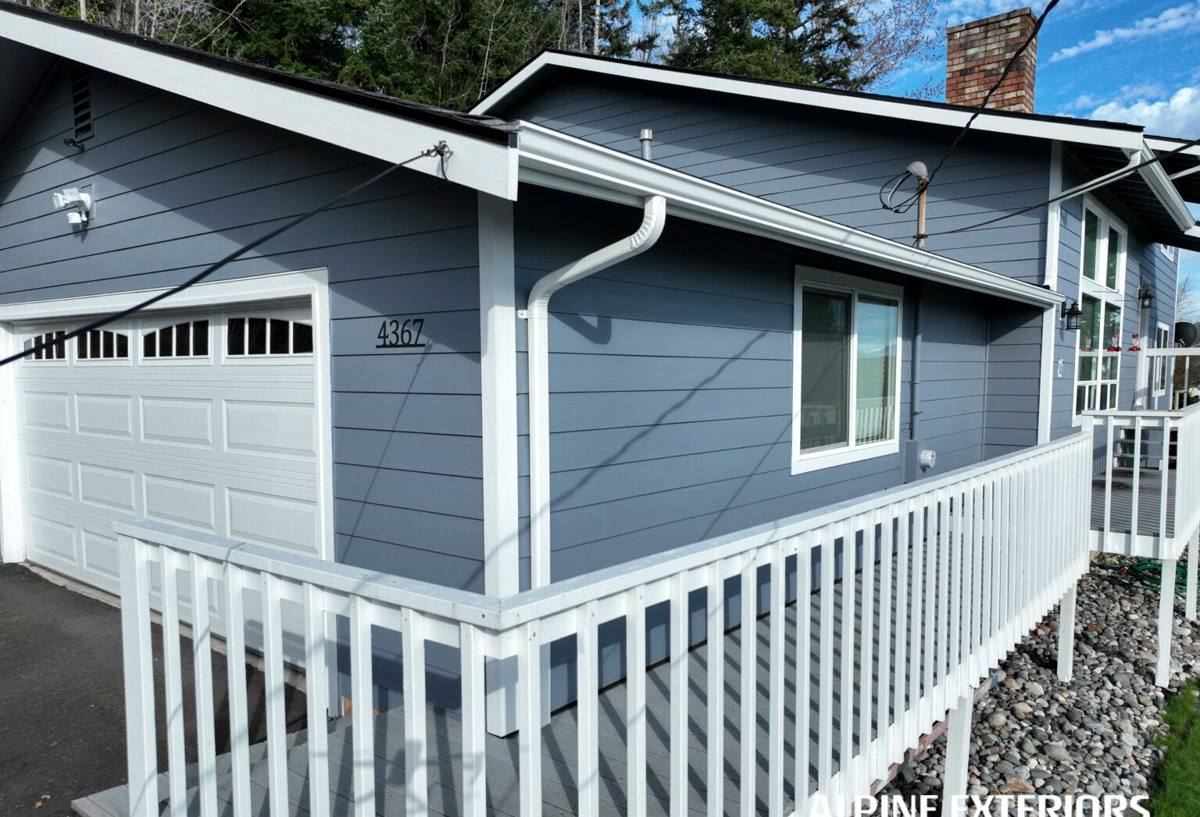
What the Climate Does to a Cherry Point Home
Salt Air and Corrosion
Being close to the water means airborne salt settles on every exterior surface — roofing metal, fasteners, gutters, window frames, and deck hardware. Salt exposure accelerates corrosion in lower-grade metal components, which is why fastener and flashing choice matters more here than it would on a home twenty miles inland. Standard electro-galvanized nails and screws can start showing rust streaks and losing holding power years before they would in a drier, less coastal environment.
Wind-Driven Rain
Whatcom County gets plenty of rain generally, but the wind off the Strait pushes it sideways more often in exposed spots like Cherry Point. Rain that hits siding and window trim horizontally, instead of running straight down, finds gaps that vertical rain never would. That means flashing details, siding laps, and window sealing have to be done with wind-driven moisture in mind, not just gravity.
Moss, Algae, and a Long Wet Season
Shaded, north-facing, and tree-adjacent roof sections in this area can stay damp for months at a stretch. That's exactly the environment moss and algae need to establish. Left unmanaged, moss holds moisture against shingles, lifts tabs, and works its way under the roofing surface over time — which shortens the life of an otherwise sound roof.
Roofing in Cherry Point
Most of the roofing calls we get in this area fall into a few categories: moss and algae buildup, wind or debris damage after a storm, aging asphalt shingle roofs nearing the end of their service life, and metal roofing that's showing early corrosion at fasteners or flashing. Our approach starts with an honest inspection — we tell you what's actually wearing out versus what still has useful life left.
Materials We Recommend for This Area
- Impact- and algae-resistant asphalt shingles with a zinc or copper strip system to slow moss regrowth
- Stainless or high-grade coated fasteners in place of standard electro-galvanized hardware
- Properly detailed step and kickout flashing at every wall-roof intersection, sized for wind-driven rain, not just standard runoff
- Ventilation upgrades where attic moisture is contributing to premature moss growth or sheathing damage
Roof Maintenance That Actually Matters Here
A once-a-year moss treatment and gutter clean-out does more for a Cherry Point roof than almost any other single maintenance step. We also recommend a fastener and flashing check every few years on homes within the more exposed, closer-to-shore lots, since that's where corrosion shows up first.
Siding for Salt Air and Driving Rain
Siding takes a different kind of abuse than roofing — it's the first line of defense against wind-driven rain hitting the wall assembly directly. We look closely at lap coverage, house wrap integration, and trim sealing on every siding job in this area, because a siding system that's fine in a sheltered inland yard can fail years early when it's facing the water unprotected.
Common Siding Issues We See in Cherry Point
- Caulk and sealant failure at trim and window transitions from repeated wet-dry cycling
- Moisture intrusion behind siding where house wrap wasn't properly lapped during original construction
- Fading and surface breakdown on the wind-facing side of a home from sustained salt and UV exposure
- Wood siding sections holding moisture and developing rot in shaded, poorly ventilated areas
We work with fiber cement, engineered wood, and vinyl siding systems, and we'll tell you honestly which one fits your home, your budget, and your exposure level — not just push whatever has the best margin. Fiber cement tends to be our default recommendation for the most exposed lots because of how it handles moisture cycling over time, but it comes with a cost and installation-sensitivity trade-off worth discussing directly.
Windows: Sealing Out Wind-Driven Rain
Old or improperly flashed windows are one of the most common sources of hidden water intrusion we find on Cherry Point homes. The symptoms are usually subtle at first — a little staining at the sill, a slightly soft spot in the wall below a window — before they become an obvious problem.
What We Check Before Recommending Replacement
- Whether the existing flashing was installed to shed water outward, or simply relies on caulk
- Condensation between panes, which indicates seal failure on double- or triple-pane units
- Frame material condition — wood frames in high-exposure spots are especially prone to rot at the sill
- Overall thermal performance, since older single-pane or poorly sealed units cost more to heat and cool
When replacement makes sense, we install with flashing details built for wind-driven rain specifically — not just the manufacturer's minimum instructions, which are often written for less exposed conditions than Cherry Point sees.
Decks in a Coastal, Wet Environment
Outdoor living space is a big part of why people choose to live out here, and decks face their own version of the salt-and-moisture problem. Fasteners corrode, ledger board connections trap moisture against the house, and untreated or poorly sealed decking surfaces develop soft spots and mildew faster than they would inland.
We build and repair decks with corrosion-resistant hardware, proper ledger flashing to keep water away from the house structure, and decking materials chosen for how they handle repeated wet-dry cycling rather than just how they look on day one. Composite decking is a strong option for many Cherry Point properties specifically because it doesn't absorb moisture the way wood does, though it comes with a higher upfront cost that's worth weighing against a longer, lower-maintenance lifespan.
Comparing Exterior Priorities by Exposure Level
| Home Location Type | Primary Risk | What Matters Most |
|---|---|---|
| Directly waterfront / high wind exposure | Salt corrosion, wind-driven rain | Corrosion-resistant fasteners, reinforced flashing, impact-rated materials |
| Set back, partially treed | Moss, shaded moisture retention | Regular moss treatment, ventilation, gutter maintenance |
| Rural / open agricultural surroundings | Wind exposure, debris impact | Secure fastening patterns, durable siding and roofing materials |
Why a Local Crew Makes a Difference Out Here
Cherry Point isn't a neighborhood most out-of-area contractors think about, and that shows in the work. A crew that mostly works drier, more sheltered parts of Whatcom County or beyond can default to standard installation methods that simply aren't built for this level of wind and salt exposure. We work throughout the Blaine area regularly enough to know which details can't be skipped here — the extra flashing step, the upgraded fastener, the ventilation check — because we've seen what happens when they are.
Being local also means we're not disappearing after the invoice clears. If something needs a look two years down the road, we're still in the area and still standing behind the work.
A Practical Homeowner Checklist for This Area
- Have your roof checked for moss and moisture retention at least once a year, especially on shaded sections
- Look for rust streaking at roof fasteners or flashing — an early sign of corrosion before it becomes a leak
- Check window sills and the wall area just below windows for soft spots or staining
- Inspect deck ledger boards and fastener heads for corrosion or discoloration
- Clear gutters and downspouts before the wet season builds up, since clogged drainage backs moisture up into roofing and siding
- Ask any contractor bidding on your home specifically how they'll handle wind-driven rain and salt exposure — the answer tells you a lot about their experience with this kind of site
How We Approach a Cherry Point Project
Every job starts with a real inspection, not a sales pitch. We look at your roof, siding, windows, and deck as connected systems, since water intrusion in one area often starts as a failure in another — a bad flashing detail at a window, for example, can show up as a stain on the siding below it. From there we walk you through what's urgent, what can wait, and what your realistic options are at different budget levels. We're not going to recommend a full replacement when a targeted repair and better maintenance plan will do the job.
If you own a home in Cherry Point and want a straightforward look at where your roofing, siding, windows, or deck actually stand, we're happy to come take a look. There's no pressure and no charge for the estimate — just a clear, honest read on your home from a crew that works this part of Whatcom County regularly. Use the form below to get started.