 Blaine Roofing
 Why Cherry Point Windows Take More Punishment Than Most
Cherry Point sits right up against the Strait of Georgia, and that location shapes everything about how a window performs there. Homes on or near the bluff get salt-laden air blowing off the water almost year-round, on top of the wind-driven rain that comes with every winter storm system moving through Whatcom County. Add in the long stretch of gray, damp months where surfaces barely get a chance to dry out, and you have a climate that's genuinely tougher on exterior building materials than most inland parts of the county.
Salt air is the part people underestimate most. It doesn't just sit on the glass — it settles into hardware, corrodes fasteners, and breaks down finishes on frame materials that aren't rated for coastal exposure. Combine that with near-constant moisture and you get the conditions that grow moss on siding and trim, cause wood frames to swell and stick, and slowly work water past seals that would hold up fine in a drier climate. A window that's a good fit in Bellingham's more sheltered neighborhoods isn't automatically a good fit a few miles north on the water.
What a Correct Installation Actually Involves
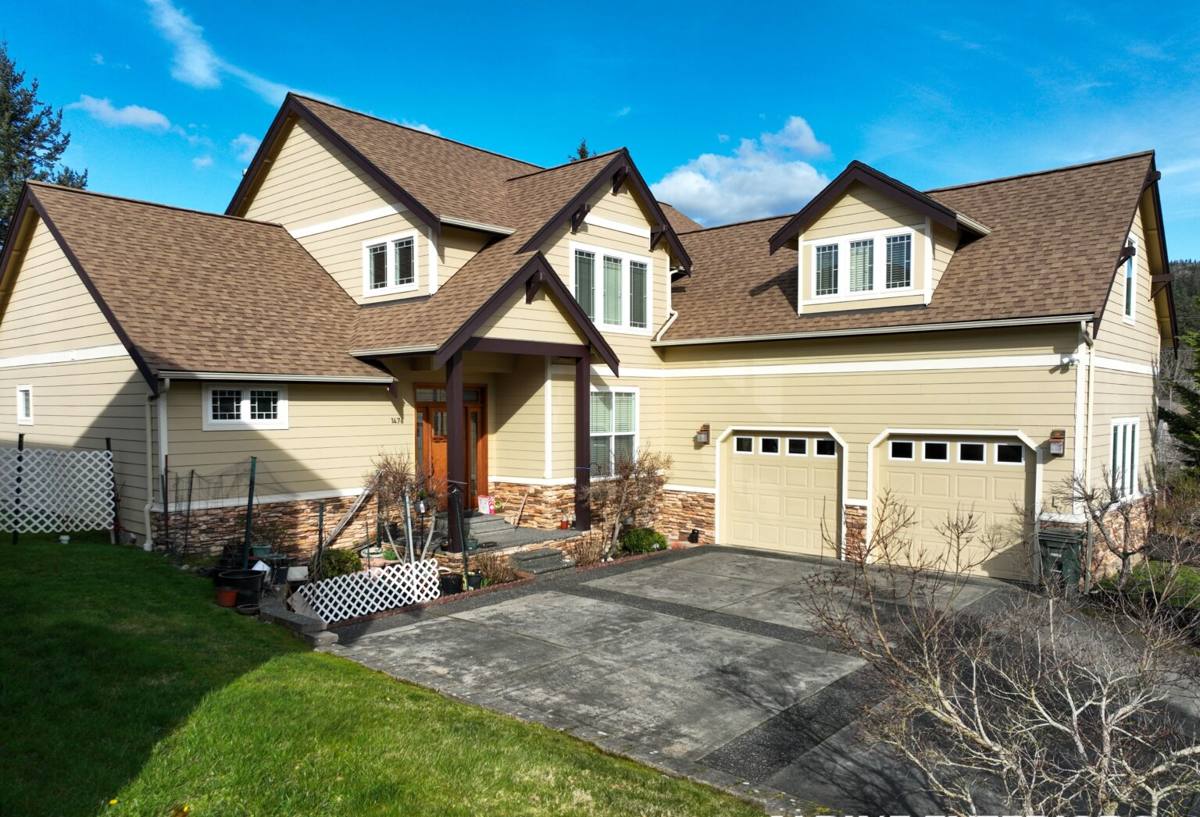
Custom windows earn their name because every opening in an older or architecturally distinct home is a little different — out-of-square framing, settled sills, non-standard sizes. Getting a correct fit here isn't optional; it's the difference between a window that sheds Cherry Point's weather for decades and one that starts leaking within a season or two.
The fundamentals we won't skip
- Accurate measurement of the actual rough opening, not the nominal size on the old window's label
- Removing and replacing damaged or rotted framing material before the new window ever goes in
- Proper flashing sequencing — water-resistive barrier, sill pan, and window flange layered so water sheds outward at every step
- Sealant chosen for coastal exposure, not a generic caulk that hardens and cracks after a couple of wet seasons
- Shimming and fastening that keeps the frame square under wind load, not just square on install day
Skipping any one of these is how a brand-new window still ends up with water stains on the interior sill within a year. In a climate like this one, installation quality matters as much as the window product itself — sometimes more.
Choosing Frame Materials That Hold Up to Salt Air
Not every window material handles a marine environment the same way. This is where a lot of homeowners get steered wrong by whatever's cheapest or most popular inland, without anyone flagging how it performs a few hundred feet from saltwater.
| Frame Material | Salt Air / Coastal Performance | Maintenance Needs |
|---|---|---|
| Vinyl | Good — won't corrode or rot; UV-stable formulations resist fading from reflected light off the water | Low; occasional washing to keep salt residue from dulling the finish |
| Fiberglass | Excellent — dimensionally stable in temperature swings, doesn't corrode, holds paint well if a custom color is wanted | Low; among the most forgiving options for this climate |
| Wood (unclad) | Weakest choice this close to the water; absorbs moisture and is prone to swelling, checking, and rot without constant upkeep | High; regular refinishing and inspection required |
| Wood with aluminum or fiberglass cladding | Good exterior protection while keeping a wood interior look, provided cladding seams are properly sealed | Moderate; interior wood still needs normal care |
| Aluminum (uncoated or poorly finished) | Prone to corrosion and pitting in salt air unless it carries a marine-grade finish | Moderate to high depending on coating quality |
For most Cherry Point homes, we steer people toward vinyl or fiberglass for the bulk of their windows, and reserve solid or clad wood for statement openings where the look matters more than long-term maintenance — as long as the homeowner understands the upkeep that comes with it. We won't talk anyone into a material that we know will fight the local climate for the next twenty years; that's not a good trade-off even if it's a little cheaper up front.
Glass Packages and Managing Interior Moisture
The glass matters as much as the frame in a climate this wet. Whatcom County's long stretch of overcast, humid weather means interior condensation is a real concern, not just a comfort issue — sustained condensation on glass or sills is what eventually feeds mold and mildew growth around window openings.
What we look at for Cherry Point homes specifically
- Dual or triple-pane glazing with warm-edge spacers to reduce the cold-glass effect that drives interior condensation
- Low-E coatings tuned for the Pacific Northwest — helping retain heat in winter without the intense summer heat-gain concerns of drier climates
- Argon or krypton gas fill between panes for added insulating value against the steady damp cold
- Proper unit sizing and venting so bathrooms and kitchens near exterior walls aren't relying on the window alone to manage humidity
None of this replaces good ventilation habits inside the house, but the right glass package takes real pressure off, especially in rooms that sit closest to the water-facing side of a home.
Our Installation Process
1. On-site assessment
We start by looking at every opening individually — framing condition, existing flashing, signs of past water intrusion, and how exposed that particular wall is to prevailing wind and rain off the Strait. Cherry Point homes on more exposed lots often need a different sealing approach on their windward side than on their sheltered side.
2. Removal and prep
Old windows come out carefully so we can inspect the framing underneath. Any rot, soft wood, or compromised sheathing gets addressed before anything new goes in — installing a quality window into a damaged opening just hides the problem for a while.
3. Flashing and installation
We install sill pans and flashing in the correct shingle-lap order, set the window plumb, level, and square, and use fasteners and shims rated to hold that alignment under wind load over time.
4. Sealing
Exterior sealant is chosen and applied for marine exposure, and we check that interior air sealing is complete too — a window that's sealed outside but leaky inside still lets in the drafts and moisture-laden air that cause problems.
5. Cleanup and walkthrough
We walk the finished openings with the homeowner, operate each window, and confirm everything locks, seals, and drains the way it should before we consider the job done.
Signs Your Current Windows Are Already Losing the Fight
A lot of window replacement decisions in this area start with a homeowner noticing one of these and wondering if it's isolated or a bigger sign:
- Fogging or a permanent haze between panes — a failed seal that's let moisture into the glass unit itself
- Soft or discolored wood on the interior or exterior sill
- Visible moss or dark staining on trim around the window, even if the window itself looks fine
- Difficulty opening, closing, or locking that wasn't there a few years ago
- A noticeable draft or cold spot near the frame during winter storms
- Hardware that's pitted, corroded, or hard to operate smoothly
- Condensation forming on the interior glass regularly, even with normal ventilation
Any one of these on its own might just need a repair. Several showing up together, especially on a wall that faces the water, usually means the windows are past the point where patching makes sense.
Why Local Experience in This Specific Area Matters
General window contractors know windows. What they don't always know is how differently a home performs depending on exactly where it sits relative to the water. A crew that regularly works Cherry Point and the rest of the Blaine area already understands which walls take the worst of the weather, how moss and salt residue build up differently here than a few miles inland, and which materials and sealing methods have actually held up over multiple wet seasons in this exact environment. That's knowledge you only get from doing the work here repeatedly — not from a general product brochure.
It also means fewer surprises during the job. Framing quirks common to homes built for this coastal exposure, permitting expectations for Whatcom County, and realistic timelines around our wettest months are all things a locally experienced crew accounts for up front instead of discovering partway through.
Maintaining Custom Windows in a Salt-Air Climate
Even a well-installed, well-chosen window benefits from a little seasonal attention out here:
- Rinse exterior glass and frames periodically to clear salt residue before it dulls finishes or accelerates hardware wear
- Check and clean weep holes so water draining out of the frame isn't blocked by debris or moss
- Inspect exterior caulking annually, especially after winter storm season, and touch up any cracked or separated sealant
- Operate locks and hardware a few times a year to keep moving parts from seizing in the damp air
- Watch trim and casing around windows for early moss growth, which signals moisture sitting longer than it should
None of this is complicated, but skipping it in a climate this active is how small issues turn into frame or sill damage down the road.
Get a Straight Answer About Your Windows
If you're dealing with drafty, fogged, or failing windows on a Cherry Point property, or planning custom windows for a renovation or new build, we're glad to take a look and give you an honest read on what your home actually needs given its exposure. There's no pressure and no obligation — just a straightforward assessment from a crew that already knows this stretch of coastline. Fill out the form below to schedule a free estimate.