 Blaine Roofing
 Building New in California Creek: What the Windows Have to Handle
If you're framing a new home or a major addition in the California Creek area near Blaine, the windows are one of the few components that have to perform correctly on day one and keep performing for decades with almost no access to fix mistakes later. Once siding, trim, and interior finish go on, a poorly flashed window opening becomes a hidden problem — one that usually doesn't show itself until there's already rot in the sheathing or framing behind it. In a neighborhood this close to the water, in a county that sees genuine wet-season rainfall for months at a stretch, that margin for error is smaller than it is inland.
This page is specifically about new-construction window installation — windows going into a home that's currently being built, not a retrofit into an existing wall. That distinction changes almost everything about how the job should be done, which is worth understanding before you hire anyone.
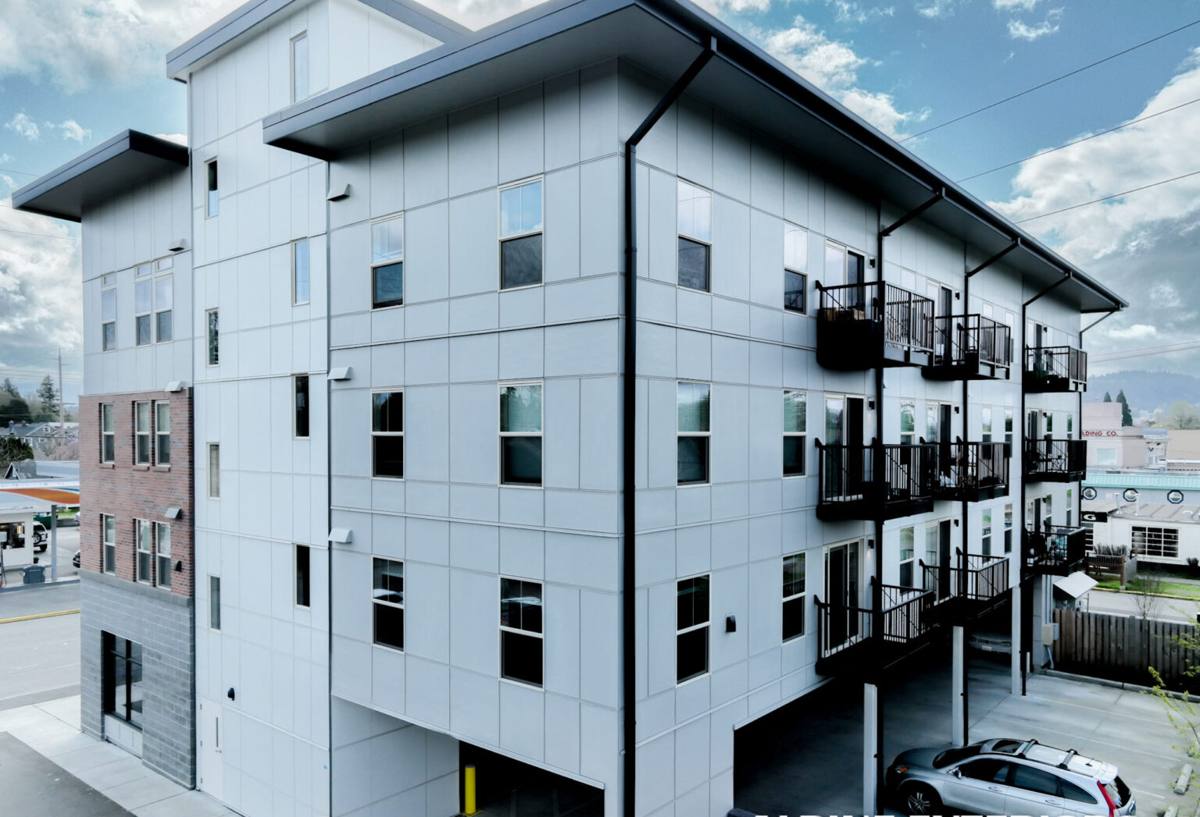
New-Construction Windows vs. Replacement Windows
These are two different products installed two different ways, and mixing them up on a bid can cost you later.
New-Construction (Nail-Fin) Windows
A new-construction window has a flange, or "nailing fin," around the perimeter of the frame. That fin gets integrated directly into the wall's weather-resistive barrier (WRB) — the housewrap or building paper — before siding goes on. Done correctly, water that gets behind the siding is directed down and out over the top of the WRB, never behind it. This is the standard approach for new builds and additions because the wall is open and the sequencing can happen in the right order.
Replacement (Insert or Flush-Fin) Windows
Replacement windows are built to go into an existing, finished opening without disturbing the exterior wall. They rely on sealant and the existing flashing rather than a full WRB tie-in. That's the right product for a remodel where you don't want to open up finished siding — but it's the wrong product for new construction, and it's worth knowing the difference in case a bid ever substitutes one for the other to save money.
For a California Creek new build, the job should always be specified and bid as true new-construction, nail-fin window installation with full WRB integration.
What Blaine's Climate Does to a Window Installation
Whatcom County's marine climate is mild compared to a lot of the country, but "mild" doesn't mean easy on building materials. Three things matter most for windows in this area:
- Salt air: Proximity to the Strait of Georgia and Boundary Bay means airborne salt is a real factor for exposed metal — fasteners, flashing, and hardware that aren't corrosion-resistant will show it years before they would inland.
- Driving rain: Wind-driven rain off the water doesn't just fall straight down — it pushes sideways into wall assemblies and window openings, which is exactly the condition flashing and sill pans are designed to defend against. A flashing detail that would be fine in a dry climate can fail here.
- A long moss and mildew season: Cool, damp, shaded conditions for much of the year mean anything that traps moisture against wood trim or sheathing stays wet longer before it can dry out. That's less about the window unit itself and more about how the surrounding trim, sill, and cladding details are built.
None of this means new construction here is unusually difficult — it means the installation details that are "nice to have" in a dry climate are not optional in this one.
What a Correct New-Construction Window Installation Involves
Sill Pans and a Sloped Sill
Every rough opening should get a sill pan — a shallow, sloped pan (site-built with flashing tape or a manufactured pan product) that catches any water that gets past the window and directs it back outside instead of into the wall cavity. This is the single most common detail we see skipped or done poorly on production builds, and it's the one most directly tied to driving rain performance.
Flashing Sequence Around the Opening
Flashing has to go on in the right order — sill first, then jambs, then head flashing last, each layer overlapping the one below it like shingles so water is always directed downward and outward, never trapped behind a layer. The window's nailing fin integrates into this sequence, then the WRB laps over the top flashing last. Get the order wrong and you've built a pocket that holds water against the frame instead of shedding it.
Fastening and Shimming
The window has to be plumb, level, and square before it's fastened, with shims at the right load points so the frame doesn't rack or bind — a window installed slightly out of square will bind at the lock or let the sash sag over time, and it puts uneven stress on the seals that keep water out.
Sealant — Where It Belongs and Where It Doesn't
Sealant is a backup to the flashing, not a substitute for it. The bottom of the nailing fin should generally be left unsealed so any water that does get behind the cladding has a path back out through the sill pan rather than being trapped by a sealed perimeter. This trips up crews who assume more sealant is always better — in this application it can create the exact problem it's meant to prevent.
Frame Material Choice for a Salt-Air, High-Rain Climate
Frame material affects both day-one performance and how the window ages in this environment. Here's how the common options generally compare for a build in this area:
| Frame Material | Salt Air / Corrosion Behavior | Moisture Tolerance | Maintenance |
|---|---|---|---|
| Vinyl | Does not corrode; hardware quality varies by manufacturer | Good — won't rot or absorb moisture | Low; occasional cleaning |
| Fiberglass | Excellent; very stable in coastal air | Excellent; dimensionally stable through wet/dry cycles | Low; holds paint well if factory-finished |
| Aluminum | Requires a quality anodized or powder-coat finish; bare or lower-grade finishes pit faster near salt air | Good, but conducts heat/cold and can condense | Moderate; finish quality matters more than in dry climates |
| Wood or Wood-Clad | Cladding protects the exterior face; exposed wood parts need vigilance | Interior wood faces need protection from condensation and humidity | Higher; periodic finish and joint inspection recommended |
There's no single "correct" answer for every home — it's a trade-off between upfront cost, maintenance appetite, and how the frame will look in twenty years. What we won't do is install a frame or hardware package that we know performs poorly in this specific climate just because it's cheaper up front; that's a decision worth having a straight conversation about before the order goes in.
Our Process for a California Creek New Build
- Plan review and rough-opening check. We confirm rough opening sizes against the actual window schedule before framing is finalized, so nothing gets discovered after the wall is closed in.
- WRB and flashing coordination with the builder. New construction is a team effort — we coordinate sequencing with the framer and siding crew so the WRB, flashing, and windows go on in the correct order rather than out of sequence to save a day.
- Sill pan installation at every opening. No exceptions, regardless of window brand or price point.
- Window setting — plumb, level, square, and properly shimmed. Checked before fastening, not adjusted after.
- Flashing tie-in and WRB lap. Head flashing and WRB integration completed and photographed before siding covers the work.
- Interior and exterior trim-out. Sealant applied only where it belongs, and interior air-sealing addressed separately from the exterior weatherproofing.
- Final walkthrough. Operation, locks, and screens checked on every unit before we consider the opening finished.
Why a Local Crew Matters for This Neighborhood
California Creek homes sit close enough to the water and the surrounding tree cover that the same flashing detail that's adequate somewhere drier can underperform here. A crew that regularly works new construction in and around Blaine has already seen how wind-driven rain behaves against this specific exposure, how long moss season actually runs in a given year, and which building-department expectations apply locally in Whatcom County. That's not a substitute for doing the technical details right — it's what makes it more likely the details get done right the first time, without a learning curve at your expense.
It also matters for accountability. A crew that plans to keep working in this community has a direct incentive to get the flashing and sill details right the first time, because callbacks on hidden water damage are expensive and hard to fix without opening up finished walls.
Moss Season and Long-Term Window Performance
Moss and mildew don't attack the window glass or frame directly in most cases, but they thrive on debris and standing moisture around sills, trim, and nearby roofing or decking that drains toward a window opening. During design and installation, small things help: keeping window sills sloped to shed water, avoiding trim details that trap organic debris against the frame, and making sure nearby landscaping or roof drainage doesn't discharge water directly onto or below a window. None of this is complicated, but it's the kind of detail that gets overlooked when a build is moving fast.
Questions to Ask Before You Sign a New-Construction Window Contract
- Is a sill pan included at every rough opening, or only where "needed"?
- Who is responsible for WRB-to-window flashing integration — the window installer, the siding crew, or is it unclear?
- What frame material and glazing package is actually specified, in writing, not just verbally described?
- Will flashing and sill pan work be photographed before it's covered by siding?
- What's the manufacturer's warranty, and does it require a specific certified installation method to stay valid?
- Who do you call if a leak shows up two years after move-in — the window manufacturer, the builder, or the installer?
Cost Factors for New-Construction Window Packages
Pricing on a new build depends on far more than the window unit itself. The table below outlines what typically moves the number, without pretending to quote a fixed price — every home and window schedule is different.
| Factor | Why It Affects Cost |
|---|---|
| Frame material | Fiberglass and higher-grade vinyl generally cost more than base-grade vinyl or basic aluminum |
| Glazing package | Low-E coatings, argon fill, and impact-rated or higher-performance glass add cost but improve efficiency and durability |
| Number and size of openings | Larger units and more openings mean more flashing, sill pan work, and labor time |
| Wall assembly complexity | Multi-story walls, tight coordination with a builder's schedule, or unusual framing add labor |
| Site access and staging | Ease of delivery and crew access on an active job site affects labor efficiency |
We'll walk through your actual window schedule and framing plans and give you a straight number based on what's specified — not a generic estimate that changes once the real details show up.
If you're building in California Creek and want windows installed the way this climate actually requires — sill pans, correct flashing sequence, and a frame package that makes sense for salt air and driving rain — we're happy to walk your plans with you. Reach out for a free, no-pressure estimate using the form below.