 Blaine Roofing
 Birch Bay's Waterfront Climate Doesn't Go Easy on Exterior Siding
Birch Bay sits right on the water, which is exactly what makes it a great place to live and a tough place to keep a house looking good. Homes here take on a combination most inland Whatcom County properties never deal with at the same intensity: salt-laden air blowing off the bay, driving rain that hits siding sideways during winter storms, and a long, damp moss season that can run from fall through spring. Any one of those factors will wear down the wrong siding material over time. Together, they accelerate problems fast.
This page focuses specifically on fiber cement siding for Birch Bay properties — what the local climate actually does to a home's exterior, what a correct installation looks like, and why the crew doing the work matters as much as the material itself.
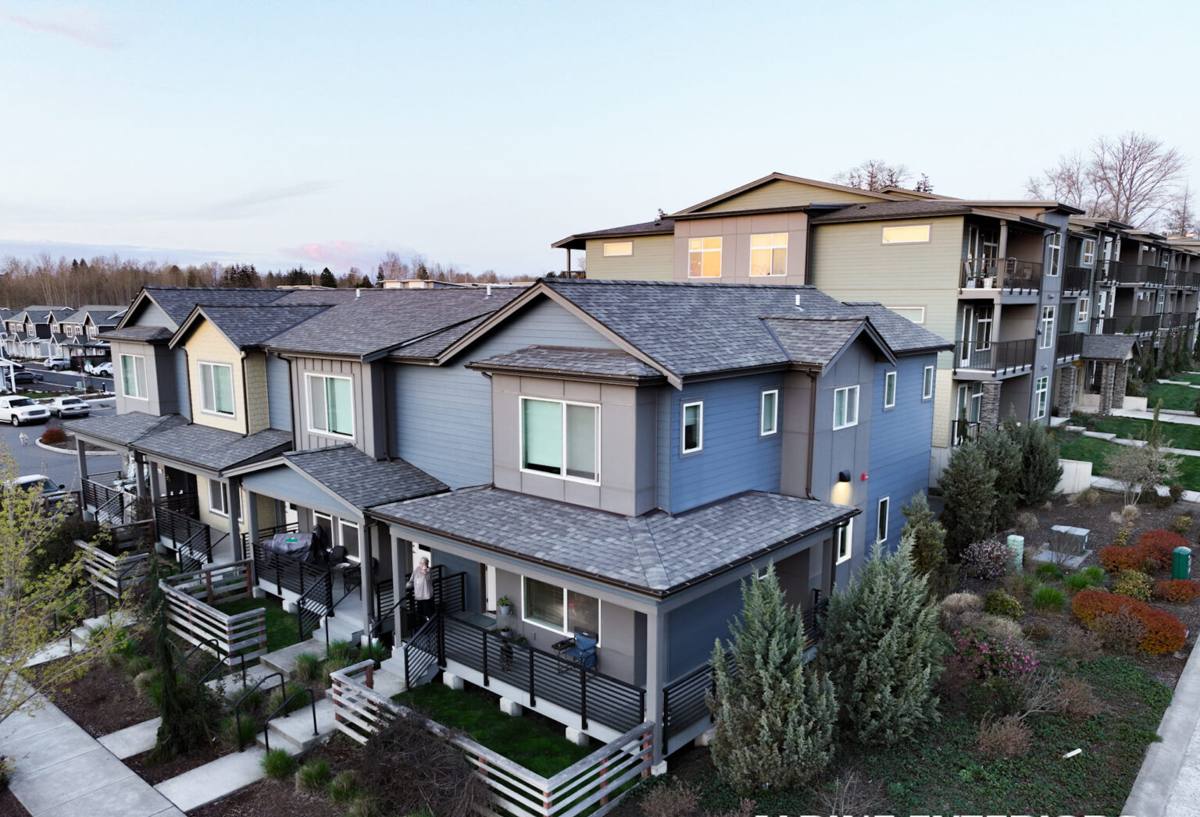
What Salt Air, Rain, and Moss Actually Do to a Home's Exterior
Salt Air and Coastal Corrosion
Airborne salt from Birch Bay doesn't just sit on the surface of a home — it works into seams, fastener heads, and any exposed edge of siding material. Over years, that salt exposure accelerates corrosion on metal fasteners and trim, and it breaks down coatings and finishes that weren't engineered to handle it. Homes closer to the water see this faster than homes even a few blocks inland.
Wind-Driven Rain
Storms coming off the water don't just drop rain straight down — they push it sideways into every lap, joint, and penetration in a home's siding system. Siding that isn't installed with the right clearances, flashing, and overlap will let that water find its way behind the cladding, where it can sit against sheathing and framing long after the storm passes.
Moss and Algae Growth
Whatcom County's damp, shaded, and often overcast conditions are ideal for moss and algae. On siding that stays wet longer than it should — because of poor drainage, tight clearance to grade, or a finish that holds moisture — growth can take hold within a season or two. Beyond the appearance issue, moss holds water against the siding surface, which extends the time the material stays saturated.
Why We Install Only James Hardie Fiber Cement in This Area
We've standardized on James Hardie fiber cement siding for every project we take on, including here in Birch Bay, and the reasons come directly from what this climate does to a house over time.
Moisture Behavior That Matches the Climate
Fiber cement is a cement-based composite, not a wood or wood-composite product. It doesn't absorb and swell the way engineered wood siding can, and it doesn't rely on a factory coating alone to keep moisture out — the material itself resists water damage far better than wood-based alternatives when installed correctly. That matters in a place where siding stays damp for extended stretches of the year.
Non-Combustible Material
James Hardie siding is non-combustible, which is a meaningful consideration for any home near dry brush, wood decking, or during wildfire smoke seasons that have become more common across the Pacific Northwest in recent years.
ColorPlus Factory Finish
Hardie's ColorPlus finish is baked on at the factory under controlled conditions, rather than field-applied on site. That gives it more consistent coverage and better resistance to fading and wear than a job-site paint application — an advantage in a coastal environment where UV, salt, and moisture are all working against the finish at once.
Climate-Engineered Product Lines
James Hardie makes HZ5 products specifically engineered for regions with freeze-thaw cycles and damp climates like the Pacific Northwest. That's not a marketing detail — it reflects a different formulation for a different set of conditions than what's sold in dry, hot climates.
What a Correct Fiber Cement Installation Involves
Fiber cement siding is only as good as the installation behind it. James Hardie publishes detailed installation requirements, and skipping them is the single biggest reason fiber cement siding fails early — not the material itself. On a Birch Bay home, we pay particular attention to:
- Proper clearance between siding and grade, decks, roofing, and other horizontal surfaces to prevent standing water and wicking
- Correct fastener type, spacing, and penetration depth — undersized or corrosion-prone fasteners fail faster in salt air
- A weather-resistive barrier and rainscreen or drainage plane installed behind the siding, not siding fastened directly against sheathing
- Properly flashed and sealed penetrations at windows, doors, vents, and utility penetrations
- Correct overlap and gapping at horizontal and vertical joints to shed wind-driven rain rather than trap it
- Factory-cut edges used wherever possible, with field cuts properly sealed per manufacturer specification
- Caulking and sealant used only where specified — over-caulking can trap moisture just as easily as leaving a gap unsealed
Every one of these details matters more in Birch Bay than it would in a drier, inland climate, because the margin for error shrinks when a home is exposed to sustained wind-driven rain and salt air.
Our Process for Birch Bay Siding Projects
1. On-Site Assessment
We walk the property to look at current siding condition, moisture damage, trim and flashing details, and any drainage or grading issues that are contributing to the problem — not just the visible siding surface.
2. Scope and Product Selection
We go over which Hardie product line and profile fits the home, walk through ColorPlus color options, and put together a clear, itemized scope so there's no ambiguity about what's included.
3. Removal and Substrate Check
Old siding comes off and we inspect the sheathing and framing underneath for moisture damage before anything new goes up. Water intrusion problems found at this stage get addressed, not covered over.
4. Weather Barrier and Installation
We install the weather-resistive barrier and drainage plane, then install the Hardie siding to manufacturer specification — correct fasteners, clearances, flashing, and joint treatment throughout.
5. Final Walkthrough
We walk the finished project with the homeowner to review the work before calling the job complete.
Choosing a Product Line and Profile for a Coastal Home
Not every Hardie profile or line is the right fit for every home, and coastal exposure is one of the factors that should drive that decision alongside style preference.
| Product Consideration | Why It Matters in Birch Bay |
|---|---|
| HZ5 climate designation | Formulated for damp, freeze-thaw-prone regions like Whatcom County rather than hot, dry climates |
| Lap siding vs. panel siding | Affects how water sheds off the wall plane and how the home reads architecturally from the street or waterfront side |
| ColorPlus vs. field-painted finish | Factory finish holds up better against sustained UV and salt exposure than most job-site paint jobs |
| Trim and soffit coordination | Matching Hardie trim keeps expansion, moisture behavior, and appearance consistent across the whole exterior |
What Affects the Cost of a Fiber Cement Siding Project
| Cost Factor | Why It Varies |
|---|---|
| Home size and wall complexity | More corners, gables, and dormers mean more cutting, fitting, and flashing detail |
| Current siding removal | Multiple existing layers or damaged sheathing add labor and repair time |
| Substrate repair | Moisture-damaged sheathing or framing found during removal needs to be addressed before new siding goes up |
| Product line and profile | Panel style, trim selection, and color all affect material cost |
| Site access | Waterfront lots, slopes, and limited staging area can affect labor time |
We don't publish blanket per-square-foot pricing because these variables genuinely change the number from one Birch Bay property to the next. A walkthrough gives an honest, specific estimate rather than a guess.
Why Hiring a Crew That Already Works Birch Bay Matters
Siding installation isn't just about following a manufacturer's install manual in a vacuum — it's about applying that manual correctly to the specific exposure a home faces. A crew that regularly works Birch Bay and the surrounding Blaine and Whatcom County coastline already knows what wind-driven rain does to a poorly detailed joint, what salt air does to the wrong fastener over five years, and how fast moss takes hold on a wall that doesn't drain properly. That local pattern recognition shows up in the small decisions made throughout a project — decisions that don't show up on an estimate sheet but show up in how the siding performs a decade later.
We install James Hardie fiber cement exclusively because it's the product we trust to hold up to this coastline when it's installed to spec, and we back that up with installation practices built around what this specific climate actually does to a home.
If you're weighing a siding replacement for a Birch Bay home, we're glad to take a look and give you a straightforward, no-pressure estimate — just fill out the form below.