 Blaine Roofing
 Siding in Sumas: What the Climate Actually Does to a Wall System
Sumas sits inland from the coast, but that doesn't mean it gets an easy ride. Homes here deal with long stretches of wind-driven rain, cool damp air that lingers under tree cover, and a moss season that can run most of the year on north-facing walls and anything shaded by fencing, fir trees, or a neighboring structure. Across Whatcom County generally — from the salt-tinged marine air closer to the coast near Blaine to the persistently damp, tree-shaded lots further inland around Sumas — the underlying problem is the same: siding spends more days wet than dry, and it rarely gets a hard, fast dry-out between storms.
That matters more than most homeowners realize. Siding failure is almost never about a single storm. It's about moisture that gets behind the cladding, or sits against it, for months at a time — swelling seams, feeding moss and mildew, and slowly breaking down paint film and substrate. A siding job that looks fine on day one but wasn't detailed for this climate tends to show its problems in year four or five, not year one.
Why We Install Only James Hardie Fiber Cement Siding
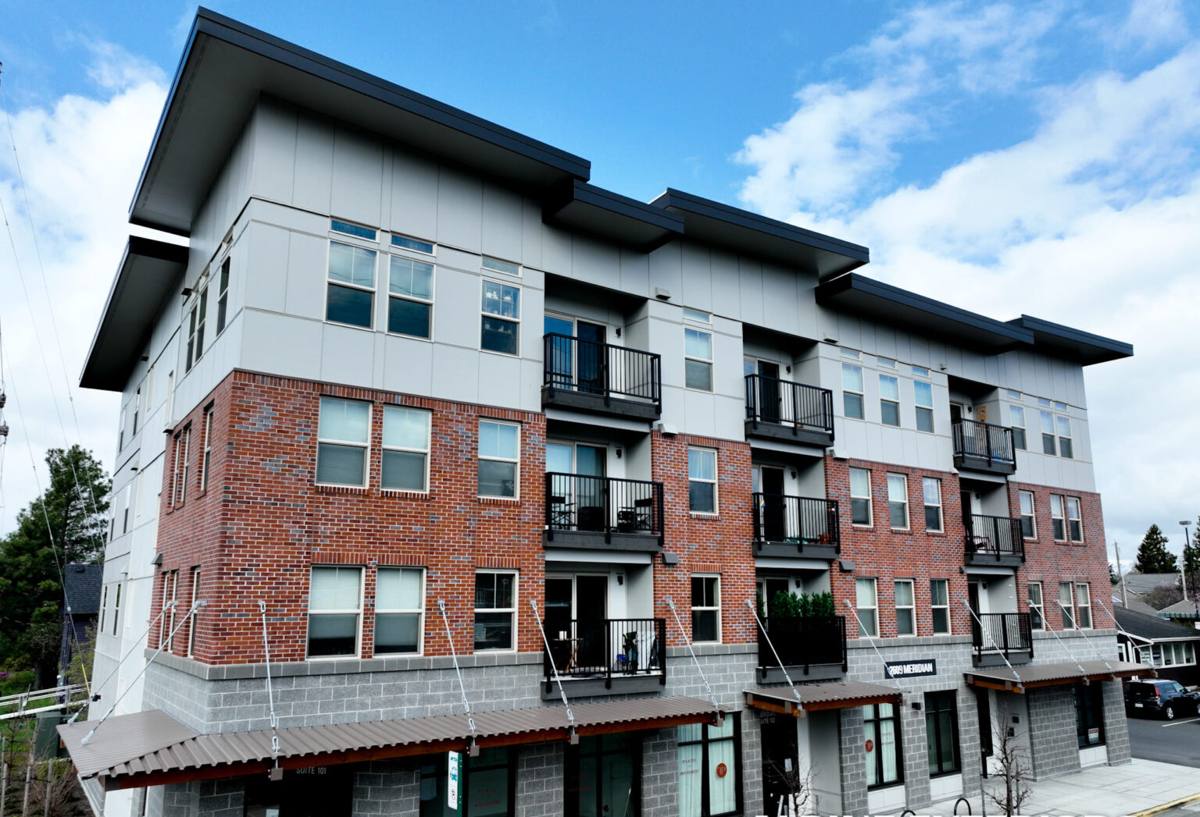
We made a decision as a company to install one siding system — James Hardie fiber cement — and nothing else. Not vinyl, not LP SmartSide, not Cemplank or Allura, not primed spruce or cedar. That's not a marketing angle; it's because in a climate like Whatcom County's, the material matters as much as the installation.
Fiber cement doesn't absorb water the way wood-based products can, and it won't soften, delaminate, or feed rot the way engineered wood siding can if a seam or cut edge stays wet too long. It's non-combustible, which matters given how many Sumas properties back up to trees, brush, or open land. And Hardie's ColorPlus factory finish is baked on and warranted separately from the substrate — it's a different proposition than field-applied paint that has to be maintained on a schedule or it starts to chalk and fade. Hardie also builds its HZ5 product line specifically for cooler, wetter climate zones like ours, which is a meaningful engineering difference, not just a label.
None of this means other products are junk — vinyl, LP, and cedar all have honest use cases. It means that for the specific combination of moisture, moss, and temperature swings a Sumas home deals with year-round, we think fiber cement installed correctly is the more durable long-term answer, and we'd rather stand behind one system we know well than install several we have reservations about.
What a Correct Siding Installation Actually Involves
The siding panels themselves are the part everyone sees, but they're not what determines whether the job lasts. Most siding failures we get called out to inspect trace back to what's happening behind the panel, not the panel itself.
Water Management Behind the Siding
A correct install starts with a water-resistive barrier and a drainage plane that lets any moisture that does get past the siding find its way back out instead of sitting against the sheathing. Flashing at every window, door, and roofline intersection has to be layered so water sheds downward and outward, never trapped behind a seam. On a damp, shaded lot — which describes a lot of Sumas properties with mature tree cover — this drainage detail is what actually keeps moisture from becoming a long-term problem, more than the siding material choice itself.
Fastening, Clearances, and Manufacturer Spec
James Hardie publishes exact fastening patterns, gaps, and clearances — minimum distance from grade, from roof lines, from horizontal surfaces like decks and patios — and those specs exist for a reason. Panels fastened too tight, gapped incorrectly at butt joints, or run too close to grade or a roofline will trap water and fail early no matter how good the product is. Getting this right is also what keeps the manufacturer's warranty intact; installed out of spec, that warranty can be reduced or voided, which defeats the point of choosing a premium product in the first place.
Our Installation Process, Start to Finish
We walk every Sumas property before we quote anything, because tree cover, drainage, sun exposure, and existing wall condition vary a lot even within the same neighborhood. From there, the job generally moves through the same sequence:
- On-site evaluation of the existing siding, sheathing condition, and moisture-prone areas (north walls, shaded sections, anywhere trim meets siding)
- Removal of old siding and inspection of the sheathing underneath — this is where hidden rot or past water damage shows up, and it gets addressed before anything new goes on
- Installation of a water-resistive barrier and correctly lapped flashing at every penetration and transition
- James Hardie panel or lap siding installation to manufacturer fastening spec, with proper clearances at grade, roofline, and trim
- Final detailing — caulking joints designed to be sealed, trim work, and a walk-through so you know what to expect over the first year
We don't shortcut the sheathing inspection step, even though it slows the job down. Covering up a moisture problem with new siding just delays the same repair a few years and makes it more expensive when it resurfaces.
Comparing Siding Materials for a Climate Like Sumas
| Material | How It Handles Sustained Moisture | Moss/Mildew Resistance | Finish Durability |
|---|---|---|---|
| James Hardie Fiber Cement | Does not absorb and swell; engineered HZ5 line for wet, cool climates | Resists moisture retention that feeds growth | Factory ColorPlus finish, separately warranted |
| Vinyl | Water-resistant itself, but seams and gaps can trap moisture behind it | Can trap damp air behind panels in shaded areas | Field color only; fades and chalks over time |
| LP SmartSide / Engineered Wood | Wood-based substrate can absorb and swell if edges or seams stay wet | Vulnerable if coating is compromised at cuts/seams | Factory-treated but relies on maintained seal at every cut edge |
| Cedar / Primed Wood | Natural material, absorbs moisture, needs consistent drying between storms | Prone to moss and mildew without regular maintenance | Requires repainting/staining on a recurring schedule |
Signs a Sumas Home Needs New Siding, Not Just a Repair
Not every siding issue means a full replacement. But there are signs that point past a patch job toward a full re-side:
- Soft or spongy spots when you press on the siding, especially near the bottom courses or under windows
- Persistent moss or dark staining that comes back within weeks of cleaning, on the same section every time
- Visible gaps, warping, or buckling at seams and butt joints
- Paint that's peeling or bubbling rather than just fading evenly
- Interior signs — musty smell, staining on interior walls near exterior corners — that suggest moisture has been getting through for a while
- Siding that's original to a home built more than 20-25 years ago and has never been fully assessed behind the surface
What Drives the Cost of a Siding Installation
Every Sumas property is different, so we won't quote a number without seeing the house, but the same handful of factors move the price on most jobs:
| Factor | Why It Matters |
|---|---|
| Sheathing condition | Rot or water damage found during tear-off adds repair work before new siding can go on |
| Home size and wall complexity | More corners, dormers, and trim transitions mean more labor and detailing |
| Siding profile chosen | Lap siding, panel systems, and shingle-style Hardie products differ in material and install time |
| Existing siding removal | Tear-off and disposal of old material adds time versus installing over a prepared surface (when code allows) |
| Trim and accessory work | Corner boards, window trim, and fascia detailing are often bundled with a re-side for a clean finished look |
Why a Crew That Already Works in Sumas Makes a Difference
Siding installation isn't just a product decision — it's a judgment call in dozens of small moments on the job: how tight to run a gap given how wet this particular wall stays, where an extra flashing detail is worth the time even though the manufacturer spec is the bare minimum, which walls on a shaded lot need extra attention because they simply don't dry out the way a south-facing wall does. A crew that installs siding across Whatcom County regularly, on homes dealing with the same driving rain and moss pressure, has already seen how those judgment calls play out five and ten years later. That's the difference between a crew installing to the letter of the spec and a crew installing for the actual conditions your home lives in.
It also means faster, more accurate estimates. We're not guessing at how a Sumas property will behave through a wet winter — we've already seen it on the house down the road.
Get a Free, No-Pressure Estimate
If your siding is showing signs of wear, or you're planning ahead before a small problem becomes an expensive one, we're happy to take a look and give you a straight answer — no pressure, no upsell. Fill out the form below and we'll set up a time to walk the property and talk through what your home actually needs.