 Blaine Roofing
 Roofing in an Unusual Corner of Whatcom County
Point Roberts sits in a strange spot on the map — technically part of Whatcom County and the state of Washington, but cut off from the rest of the mainland U.S. by geography, sitting at the tip of a peninsula that dips south of the Canadian border. For roofing, that geography matters more than most homeowners realize. Every truckload of shingles, every dumpster for tear-off debris, and every crew member has to cross an international border checkpoint to get there. A roofing company that doesn't already have that logistics figured out will either quote you a premium to cover the hassle, or worse, cut corners to avoid dealing with it twice.
We work out of Blaine, which means Point Roberts isn't a special trip for us — it's a routine one. That matters for scheduling, for material delivery, and for being able to send a crew back out quickly if something needs a second look after a storm.
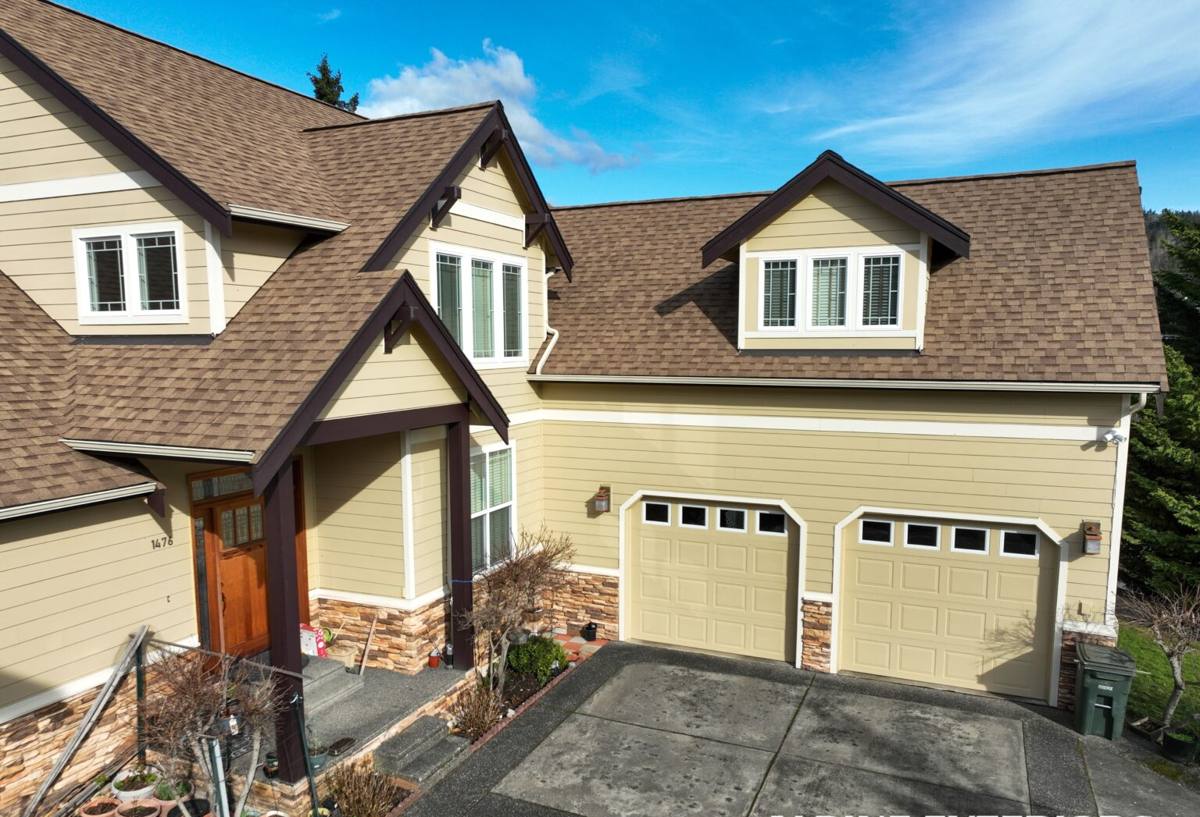
What the Climate Actually Does to a Point Roberts Roof
Point Roberts catches marine air off the Strait of Georgia from nearly every direction, which means roofs there deal with a combination of stresses that inland Whatcom County homes see less of:
Salt Air and Corrosion
Airborne salt accelerates corrosion on exposed metal — nails, flashing, gutter fasteners, and roof vents. Standard electro-galvanized fasteners can start showing rust streaks years before they would inland. This is why fastener and flashing choice matters more here than the shingle brand does.
Driving, Wind-Driven Rain
Storms off the water tend to push rain sideways instead of straight down. That means water can work its way under standard-lapped shingles at edges, valleys, and around penetrations if the underlayment and flashing details weren't built for wind-driven conditions. A roof that would shed water fine in a calmer inland setting can leak in Point Roberts if it was installed to a minimum-code standard rather than a coastal one.
Long Moss Season
Between the tree cover on many lots and the extended damp season typical of this part of the Pacific Northwest, moss and algae get a long runway to establish themselves — often on north-facing slopes and anywhere shaded by mature trees. Moss holds moisture against the roof surface, lifts shingle edges over time, and shortens the life of any roofing material it's allowed to colonize.
What a Correct Replacement Involves Here
A roof replacement done right in Point Roberts isn't just "same shingles, new layer." Given the conditions above, a few steps carry extra weight:
- Full tear-off, not an overlay. Roofing over an existing layer traps moisture and hides deck damage — a real risk on a roof that's had years of wind-driven rain working at it.
- Deck inspection once it's exposed. Soft or delaminated sheathing gets replaced before anything new goes down. Skipping this is the single most common cause of early roof failure.
- Ice-and-water shield at vulnerable points. Eaves, valleys, and roof-to-wall transitions get a self-adhering waterproof membrane, not just felt or synthetic underlayment, because these are exactly where wind-driven rain finds a way in.
- Corrosion-resistant fasteners and flashing. Stainless or high-grade coated fasteners and flashing hold up far longer in salt air than standard galvanized hardware.
- Balanced ventilation. Proper intake and exhaust venting keeps the underside of the deck dry, which matters even more in a damp, shaded climate where moisture has fewer chances to dry out between rains.
- Algae-resistant shingle selection where trees shade the roof. Most major manufacturers offer shingle lines with algae-resistant granules — worth using on any slope that stays shaded for long stretches of the day.
Material Options: What Holds Up and What to Weigh
There's no single "best" roofing material for every Point Roberts home — it depends on the home's exposure, roof pitch, budget, and how much shade the lot gets. Here's how the common options compare against this specific climate:
| Material | Salt Air Behavior | Moss Resistance | Typical Lifespan Here |
|---|---|---|---|
| Architectural asphalt shingles | Good with corrosion-resistant fasteners and flashing | Fair to good with algae-resistant granules | 20-30 years |
| Standing seam metal | Very good with coated/marine-grade fasteners | Excellent — sheds moss more easily on a smooth, steep surface | 40-50+ years |
| Cedar shake | Fair — needs regular maintenance in damp, shaded areas | Poor without ongoing treatment; moss risk is higher | 20-25 years with upkeep |
| Synthetic/composite shingles | Good, low-corrosion material profile | Good, varies by product line | 30-40 years |
We'll walk through these trade-offs with you honestly. Cedar can look great on the right home, but it asks for more ongoing maintenance in a moss-prone, shaded, damp environment than most homeowners want to sign up for. Metal costs more up front but asks the least of you over time. Architectural asphalt remains the most common choice because it balances upfront cost, appearance, and durability reasonably well when it's installed with the coastal-grade details described above.
Our Process, Start to Finish
- On-site inspection. We walk the roof, check the attic or crawlspace for ventilation and moisture signs, and look at how the lot's tree cover and exposure will affect the roof over time.
- Written estimate with material options. You get a clear breakdown of what's included — tear-off, decking allowance, underlayment type, flashing, ventilation work, and cleanup — not just a single lump number.
- Scheduling around the border crossing. Because every material delivery and crew trip to Point Roberts crosses the border, we build that into the schedule up front so weather delays or checkpoint timing don't blow up your project timeline.
- Tear-off and deck inspection. Old roofing comes off, the deck gets inspected, and any damaged sheathing is flagged and replaced before anything new goes on.
- Underlayment, flashing, and ventilation installed to a coastal standard. This is where the extra care for salt air and wind-driven rain actually gets built into the roof, not just mentioned in a sales pitch.
- New roofing material installed to manufacturer specifications. Correct nailing patterns and exposure are what let a shingle warranty actually apply if something goes wrong down the line.
- Full site cleanup and magnetic sweep for debris. Old materials, packaging, and stray fasteners are hauled off — including the extra step of getting that debris back across the border to proper disposal.
- Final walkthrough. We go over the finished roof with you before calling the job done.
Why the Border Logistics Actually Matter to Your Project
It's easy to underestimate how much the border crossing affects a Point Roberts roofing job until you're the one waiting on a delayed shingle delivery. A crew and supplier that treat Point Roberts as routine business — rather than a special case they handle a few times a year — tend to:
- Order and stage materials with the crossing built into the timeline, instead of discovering the delay mid-project
- Have consistent paperwork and crossing procedures for crew and equipment, so a job doesn't stall on the first day
- Know how to plan dumpster placement and debris removal when hauling trash back across an international checkpoint is part of the job
- Avoid the "we'll get to it when we can" scheduling that happens when a contractor treats Point Roberts as an inconvenient outlier
This is less about any one dramatic story and more about a simple truth: a roof replacement has enough moving parts already. Adding an international border crossing to a contractor's first attempt at logistics is how projects run long.
Permitting in Point Roberts
Point Roberts falls under Whatcom County jurisdiction for building permits, the same as unincorporated areas elsewhere in the county — it doesn't have its own separate permitting body. A full roof replacement typically requires a permit, and inspections may need to be scheduled around the same logistics as everything else out there. We handle the permit process as part of the job so you're not the one tracking down paperwork across a county office and an international crossing at the same time.
Signs a Point Roberts Roof Needs Replacement, Not Just Repair
Not every roofing problem calls for full replacement. Here's a general guide for when repair stops making sense:
| Sign | Repair Usually Fine | Replacement Usually Needed |
|---|---|---|
| Isolated shingle damage from a storm | Yes | — |
| Moss covering large sections of shaded slopes | Sometimes, if caught early | Often, if it's lifted shingles or reached the deck |
| Granule loss across most of the roof surface | — | Yes — material is at the end of its service life |
| Soft spots or sagging in the deck | — | Yes |
| Roof is 20+ years old with widespread wear | — | Yes — patching an aging roof rarely pays off |
| Recurring leaks in the same area after prior repairs | — | Yes — underlying cause likely needs full replacement to fix |
Warranties and What They Actually Cover
Manufacturer warranties on roofing materials typically cover defects in the shingle or panel itself, not installation errors — that's what a contractor's workmanship warranty is for. In a climate like Point Roberts sees, installation quality matters more than in milder settings, because wind-driven rain and salt air expose weak flashing or shortcut nailing patterns faster than they would in a calmer, drier location. Ask any contractor for both documents in writing: the manufacturer's material warranty and their own workmanship warranty, and what specifically each one covers.
Get an Honest Look at Your Roof
If you're weighing repair versus replacement, or just want a straight answer about how your roof is holding up against the salt air and moss out in Point Roberts, we're happy to come take a look. The estimate is free, there's no pressure, and you'll get a clear written breakdown of what we find and what it would take to fix it right. Use the form below to get started.