 Blaine Roofing
 Why Window Performance Matters for Sumas Homes
Sumas sits inland from Blaine's waterfront, but it doesn't escape what defines exterior work across Whatcom County: driving rain that comes in sideways during winter storms, a moss season that stretches for months on shaded and north-facing walls, and enough temperature swing between summer afternoons and winter nights to put real stress on window seals. Homes here lose a surprising amount of comfort and heating budget through old, failing, or poorly installed windows long before the walls or roof become the problem.
When we talk about "energy-efficient windows" for this area, we're not selling a buzzword. We're talking about a window and installation combination that keeps water out under wind-driven rain, holds its seal through repeated wet-dry cycles, and actually reduces the draft and condensation homeowners feel on cold mornings. That's a different standard than what a big-box remodel catalog usually promises.
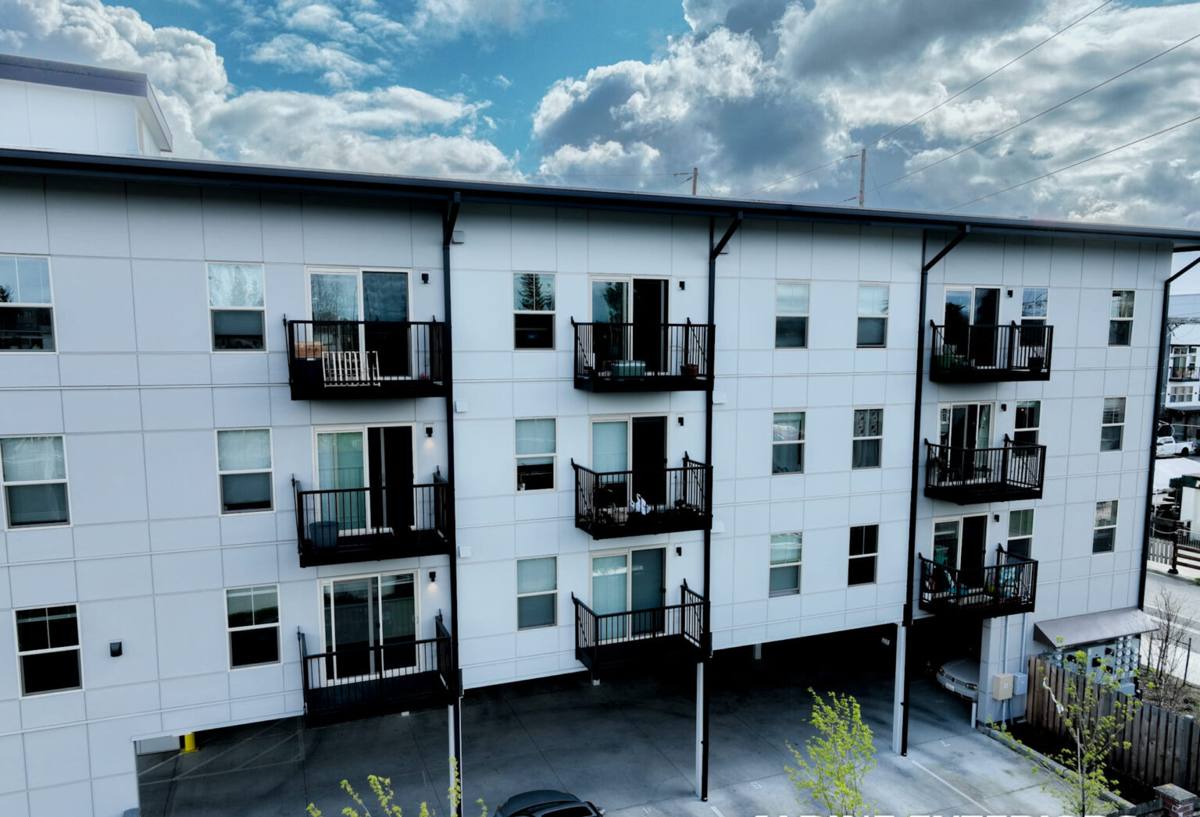
What "Energy-Efficient" Actually Means for a Window
The Glass Package
Most of a window's energy performance comes from the glass, not the frame. Look for dual-pane or triple-pane construction with a low-E (low-emissivity) coating and an inert gas fill, usually argon, sealed between the panes. Low-E coatings reflect radiant heat back into the room in winter and block excess solar heat in summer, without noticeably darkening the glass.
U-Factor and Solar Heat Gain Coefficient
Two numbers matter more than any marketing label: U-factor (how much heat the window loses — lower is better) and Solar Heat Gain Coefficient, or SHGC (how much solar heat passes through — lower helps in summer, higher can help offset heating costs in winter). For a Whatcom County home, we generally look for a lower U-factor first, since our heating season is longer than our cooling season, and weigh SHGC based on how much direct sun a given wall actually gets.
Frame Material
The frame affects both energy performance and how the window holds up to our wet climate over time. Vinyl, fiberglass, and wood-clad frames each perform differently under sustained moisture exposure, and that difference matters more here than it would in a dry climate.
| Frame Type | Energy Performance | Moisture Behavior | Maintenance |
|---|---|---|---|
| Vinyl | Good, consistent | Doesn't rot or corrode; seams can fail if poorly welded | Low — occasional cleaning |
| Fiberglass | Very good, stable across temperature swings | Excellent; dimensionally stable when wet or dry | Low |
| Wood-clad | Good, warm appearance | Vulnerable at any break in the cladding or sealant | Higher — sealant and cladding checks |
| Aluminum | Weakest without thermal break | Resists rot but conducts cold and can condensate | Low, but performance-limited here |
We don't push one frame material on every home. We look at sun exposure, wall orientation, existing trim, and budget, and explain the real trade-offs rather than defaulting to whatever's cheapest to install.
Signs Your Sumas Home's Windows Are Working Against You
Most homeowners don't replace windows because they woke up wanting new windows — they replace them because something is bothering them. Here's what we hear most often, and what it usually means:
- Fogging or moisture between the panes — the seal has failed and the gas fill is gone; this can't be fixed, only replaced.
- Visible condensation on the inside of the glass in winter — often a sign of a poor U-factor, a failed seal, or in some cases a ventilation issue unrelated to the window itself.
- A cold draft you can feel standing near the window, even when it's latched — points to frame gaps, failed weatherstripping, or bad original installation.
- Wood or trim that feels soft, or paint that bubbles near the sill — usually water intrusion at the flashing or sealant, not the glass unit.
- Moss or dark streaking building up on the sill or below the window — a sign water is running down the wall and pooling instead of shedding cleanly, common on north- and west-facing exposures in this climate.
- Windows that are hard to open, close, or lock — frame swelling or settling, which also compromises the seal.
What a Correct Window Installation Actually Involves
The window unit itself is only part of the job. In a climate that throws driving rain at a wall for days at a time, how the window is flashed and sealed into the wall determines whether it stays dry for the next twenty years or starts leaking in five. This is where our background matters — we approach window installation the way we approach roofing, because the physics of shedding water are the same problem in a different plane.
Removal Without Damage
Old windows come out carefully, checking the sheathing and framing underneath for any hidden rot before anything new goes in. If we find soft framing, we address it before installing a new window into a bad opening — sealing a new window into damaged framing just hides the problem.
Flashing, Not Just Sealant
Sealant alone is not a water management plan. A correct install builds a drainage path: a sill pan to catch and direct any water that gets past the window, side flashing that overlaps correctly with the weather-resistive barrier, and head flashing that ties into the siding above so water is directed out and down, never behind the cladding. This layered approach is what actually stops leaks — sealant is the backup, not the primary defense.
Air Sealing and Insulation
The gap between the window frame and the rough opening gets sealed with a proper low-expansion foam or backer rod and sealant, not stuffed with fiberglass and left to draft. This is a major source of the "cold near the window" complaint even with a good window unit installed.
Interior and Exterior Finish
Trim, casing, and interior sealant get finished cleanly, and exterior trim or siding tie-ins get sealed and painted or caulked to match. A window install isn't done until the wall around it looks and performs like it was never opened up.
Our Process, Start to Finish
- Walkthrough and assessment — we look at each window from inside and out, check for existing moisture damage, and talk through which rooms bother you most (drafts, noise, condensation, appearance).
- Straightforward proposal — options broken down by frame type, glass package, and price, without pressure to upgrade past what your home actually needs.
- Scheduling around the weather — we plan installation for a dry window when possible, since an open wall cavity shouldn't sit exposed to Whatcom County rain any longer than necessary.
- Installation with proper flashing — as described above, done one opening at a time so the house is never left more exposed than it has to be.
- Walkthrough and cleanup — we check operation, locks, and seals on every window before we consider the job finished, and clean up job-site debris before we leave.
What Affects Window Replacement Cost
Every home is different, but the factors that move price are consistent. We'll always give you a written, itemized number before work starts — no surprise add-ons.
| Factor | Why It Matters |
|---|---|
| Number and size of openings | More or larger windows mean more material and labor |
| Frame material chosen | Vinyl, fiberglass, and wood-clad carry different material costs |
| Full-frame vs. insert replacement | Insert replacement reuses the existing frame and is faster; full-frame replaces everything down to the rough opening and is needed when there's hidden damage |
| Hidden rot or framing repair | Not knowable until the old window is out — we flag it immediately if we find it |
| Access and second-story work | Upper-level windows take longer and require more setup |
| Trim and siding tie-in | Matching existing exterior trim or siding adds finish work |
As a broad range, straightforward vinyl or fiberglass replacements in an existing, sound opening tend to run in the low-to-mid four figures per window installed, with full-frame replacement, larger openings, or discovered framing repairs pushing that higher. We'd rather walk your home and give you real numbers than throw out a figure that doesn't hold up once we open the wall.
Why It Matters That We Already Work in Sumas
A crew that only shows up in a neighborhood once doesn't build a feel for how that specific area's homes age. Working roofs and exteriors around Sumas and the rest of Blaine's service area, we see the same patterns repeat: which wall orientations take the worst of the wind-driven rain, where moss builds up fastest and starts holding moisture against trim, and which older window installations from decades past are due for attention because the flashing details were never built to modern standards. That pattern recognition is worth more than a catalog of window options — it's what tells us where to look for problems before they show up as a leak inside the house.
It also means we're not disappearing after the install. We're a local crew doing roofing, siding, and exterior work throughout Whatcom County, so if a question comes up two years down the road, you're calling a business that's still here and still working in your area.
Living With Windows in This Climate
Even a well-installed, high-performing window benefits from a little seasonal attention in a climate like this one:
- Check and clear weep holes at the base of the frame each fall so water has somewhere to drain instead of pooling.
- Wipe down sills and tracks periodically to keep moss and organic buildup from holding moisture against the frame.
- Inspect exterior caulking annually — sealant is the first line of defense and it does wear out, typically every several years depending on sun and wind exposure.
- Watch for condensation patterns that change year to year; a sudden increase can signal a seal starting to fail, worth catching early rather than waiting for full fogging.
None of this is difficult, but it's easy to skip — and skipping it is how a good window installation starts losing performance years before it should.
Get a Straightforward Estimate
If your Sumas home has windows that draft, fog, stick, or just look tired, we're glad to walk through them with you and give an honest read on what's actually needed — no pressure, no inflated scope. Use the form below to request a free estimate and we'll get in touch to schedule a time that works.