 Blaine Roofing
 Why Point Roberts Siding Wears Differently
Point Roberts sits out on its own peninsula, exposed to open water on three sides, which means homes there take a harder hit from the elements than siding just a few miles inland in Blaine or elsewhere in Whatcom County. Salt-laden air off the water accelerates corrosion on fasteners and trim, driving rain gets pushed sideways into wall assemblies during winter storms, and the long, damp Pacific Northwest season keeps north- and shade-facing walls wet enough, long enough, for moss and algae to take hold and stay there for months at a time.
None of that is unique to Point Roberts in isolation — it's the same marine climate that shapes exterior work across this part of Washington. What's different is the degree. A home a few blocks from open shoreline sees more wind-driven moisture and more salt exposure than one tucked further inland, and siding repair work has to account for that difference instead of treating every job the same way.
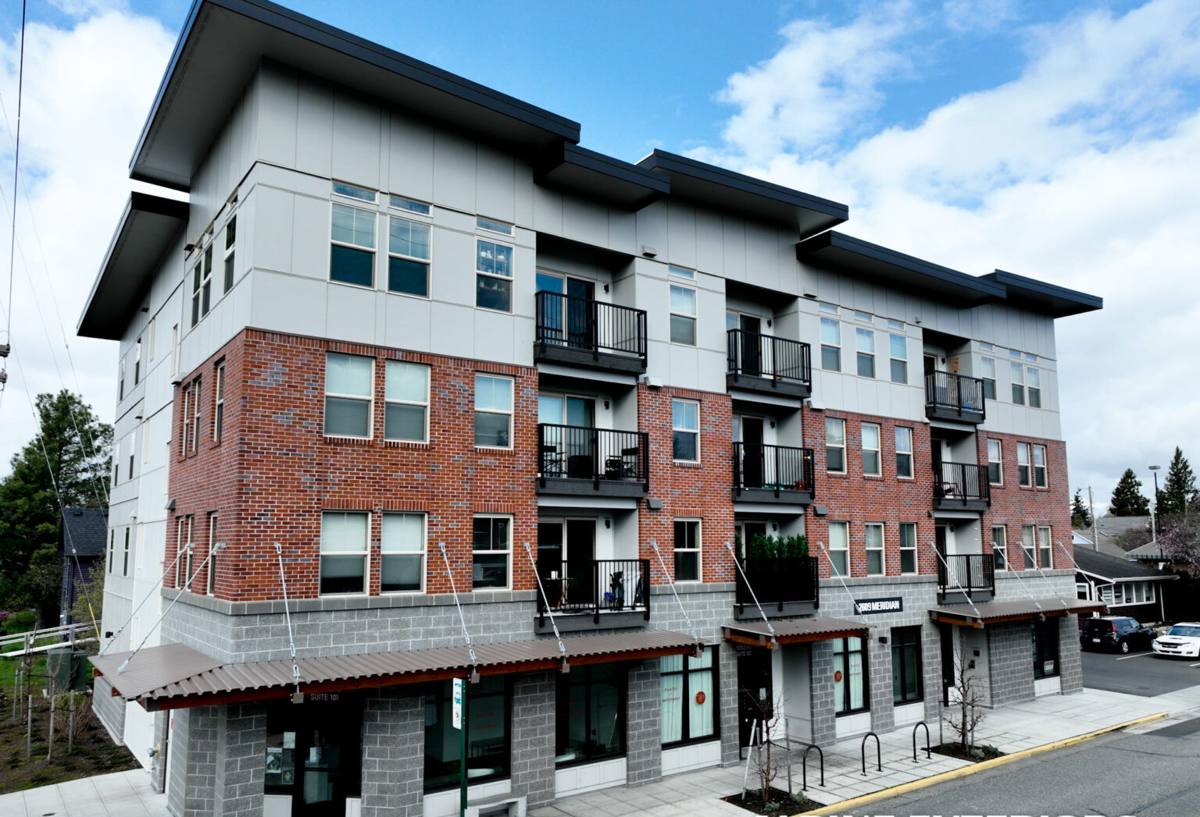
What Salt Air, Rain, and Moss Actually Do to Siding
Salt Air
Airborne salt is corrosive to exposed metal — nail heads, flashing, screws, and any unprotected trim hardware. Once fasteners start corroding, they lose holding power, and siding panels that were fastened correctly ten or fifteen years ago can start to work loose. Salt exposure also speeds up the breakdown of lower-quality paint films, which is one of the reasons a factory-applied finish holds up so much better than a field-applied coat out here.
Driving Rain
Wind off the water doesn't just drop rain straight down — it pushes it sideways, up under laps, and into any gap in the siding, trim, or flashing. Over time, this is what causes hidden water intrusion behind siding that looks fine from the ground. The damage isn't always visible until it's already significant.
Moss and Algae
Shaded, north-facing walls and anything under tree cover stay damp for extended stretches of the year. Moss and algae growth on siding isn't just cosmetic — it holds moisture against the surface, and on the wrong material that constant dampness accelerates rot, swelling, or coating failure.
Signs Your Point Roberts Home Needs Siding Repair
Most siding problems give warning signs well before they become structural. Walk the exterior of your home, especially the sides that face prevailing wind and water, and look for the following:
- Soft or spongy spots when you press on siding panels or trim
- Visible gaps, cracks, or separation at seams and corners
- Paint or coating that's bubbling, peeling, or chalking unevenly
- Persistent moss or dark streaking that keeps coming back after cleaning
- Rust staining running down from nail heads or metal trim
- Warping, buckling, or panels that no longer sit flat against the wall
- Interior signs — musty smell, discoloration, or soft drywall near exterior walls
Any one of these on its own might be a simple patch. Several together, especially combined with interior signs, usually mean water has been getting behind the siding for a while.
What a Correct Siding Repair Actually Involves
A repair that just covers the visible damage is a temporary fix. A correct repair starts by figuring out why the damage happened in the first place, because siding rarely fails on its own — it fails because water, a fastener issue, or a flashing gap let it happen.
A proper repair process includes:
- Diagnosis before demolition. Identifying whether the damage is surface-level or whether moisture has reached the sheathing or framing behind it.
- Checking the water management layer. House wrap, flashing, and any drainage gap behind the siding need to be intact — repairing the siding without fixing a failed flashing detail just sets up the same failure again.
- Removing damaged material cleanly. Cutting back to sound material, not just covering rot or soft spots with new panels.
- Matching the replacement material correctly. Profile, reveal, and finish need to match the existing siding closely enough that the repair doesn't stand out as a patch.
- Re-fastening and sealing to spec. Using corrosion-resistant fasteners and correct sealant at joints, given how hard salt air is on hardware out here.
Skip any of these steps and you get a repair that looks fine for a season or two and then fails again in the same spot.
Repair or Replace? How to Think About It
Not every damaged section needs a full re-side, and not every damaged section should just be patched. The right call depends on how much of the wall is affected, what's causing the damage, and what material is currently on the house.
| Factor | Favors Repair | Favors Replacement |
|---|---|---|
| Extent of damage | Isolated to one or two sections | Spread across multiple walls or elevations |
| Cause of damage | One-time impact or fastener failure | Ongoing moisture intrusion or material breakdown |
| Age of existing siding | Siding is well within its expected service life | Siding is near or past the end of its useful life |
| Material condition | Surrounding material is sound | Material is prone to repeat failure (rot, swelling, coating breakdown) |
| Match availability | Existing product and color can be closely matched | Product discontinued or match will be visibly inconsistent |
When a home has failure showing up in multiple spots, especially on a material that doesn't handle sustained moisture well, patching one section at a time usually costs more over several years than addressing it properly once.
Why We Repair — and Rebuild — With James Hardie Fiber Cement
We install and repair with James Hardie fiber cement siding exclusively. We don't install vinyl, LP SmartSide, primed wood, cedar, or other fiber cement brands, and that's a deliberate standard, not a sales preference. In a climate like Point Roberts sees — salt air, sustained wind-driven rain, and a moss season that doesn't let up — the material choice matters more than it does in a milder inland climate.
Fiber cement is non-combustible and dimensionally stable, meaning it doesn't expand, contract, warp, or rot the way wood-based products can when they take on repeated moisture. James Hardie's ColorPlus factory finish is baked on under controlled conditions rather than applied on-site, which holds up better against UV and salt exposure than field-applied paint. Hardie's HZ5 product line is engineered specifically for harsher, wetter climate zones, which fits the exposure profile out here better than a general-purpose product does.
When we repair a section of existing Hardie siding, we can match panel profile, reveal, and color consistently because it's a system we work with constantly. When a home has non-Hardie siding failing repeatedly in the same spots, we'll say so honestly and explain what we're seeing — sometimes a targeted repair is the right near-term move, and sometimes the material itself is the reason the same problem keeps coming back.
Our Siding Repair Process for Point Roberts Homes
Every repair starts with an honest look at the whole wall assembly, not just the visible damage.
- On-site assessment. We inspect the damaged area and the surrounding siding, checking for hidden moisture with the tools that catch what's not visible from the surface.
- Clear explanation before work starts. You'll know what caused the damage, what the repair involves, and what it will cost before we touch anything.
- Correct removal and prep. Damaged material and any compromised flashing or water-resistive barrier get addressed, not just covered.
- Matched, properly fastened repair. New material is installed to Hardie's fastening and clearance specifications, using corrosion-resistant hardware suited to a marine environment.
- Final walkthrough. We show you the completed work and flag anything else on the exterior worth keeping an eye on.
Why a Crew That Already Works Point Roberts Matters
Point Roberts is a bit of an outlier logistically — it's a U.S. community that sits apart from the rest of Whatcom County, and getting a crew, equipment, and materials there takes planning that a contractor who's never worked the area won't have dialed in. A crew that already services Point Roberts regularly knows how to schedule a job efficiently, how to stage materials so a repair doesn't stall out waiting on a second trip, and what the exposure is like on that particular stretch of coastline versus a repair job in Blaine proper.
That familiarity translates into fewer surprises and fewer wasted trips, which matters on a repair job where the goal is to fix the problem correctly the first time, not string it out over multiple visits.
Keeping Repaired Siding in Good Shape
Once a repair is done right, a little maintenance goes a long way toward making sure it stays that way:
- Rinse salt residue and grime off exterior walls a couple of times a year, especially sides facing open water
- Keep gutters and downspouts clear so water isn't dumping directly onto siding or foundation areas
- Trim back vegetation and tree cover that keeps walls shaded and damp
- Address moss growth early with a gentle wash rather than letting it establish
- Do a visual walk-around each fall and spring looking for the early warning signs listed above
If you're seeing damage, soft spots, or repeat moss and staining on your Point Roberts home's siding, we're happy to take a look and give you a straight assessment of what's going on and what it will take to fix it right. Reach out for a free, no-pressure estimate using the form below.