 Blaine Roofing
 Board & Batten Siding for Point Roberts Homes
Point Roberts sits on its own piece of shoreline, cut off from the rest of Whatcom County by geography, which means it also gets its own version of Pacific Northwest weather. Homes out here take a steady diet of salt-laden air off the water, wind-driven rain that doesn't just fall straight down, and a moss season that can stretch from fall through spring. Board and batten siding is a strong look for this area — clean vertical lines that suit the coastal and rural character of the peninsula — but it only performs well here if it's built and installed with that exposure in mind.
This page is specifically about board and batten siding installed in Point Roberts. We're not going to give you a generic rundown of the style; we're going to walk through what the local climate does to this siding profile, what a correct installation looks like, and why the crew doing the work matters as much as the material itself.
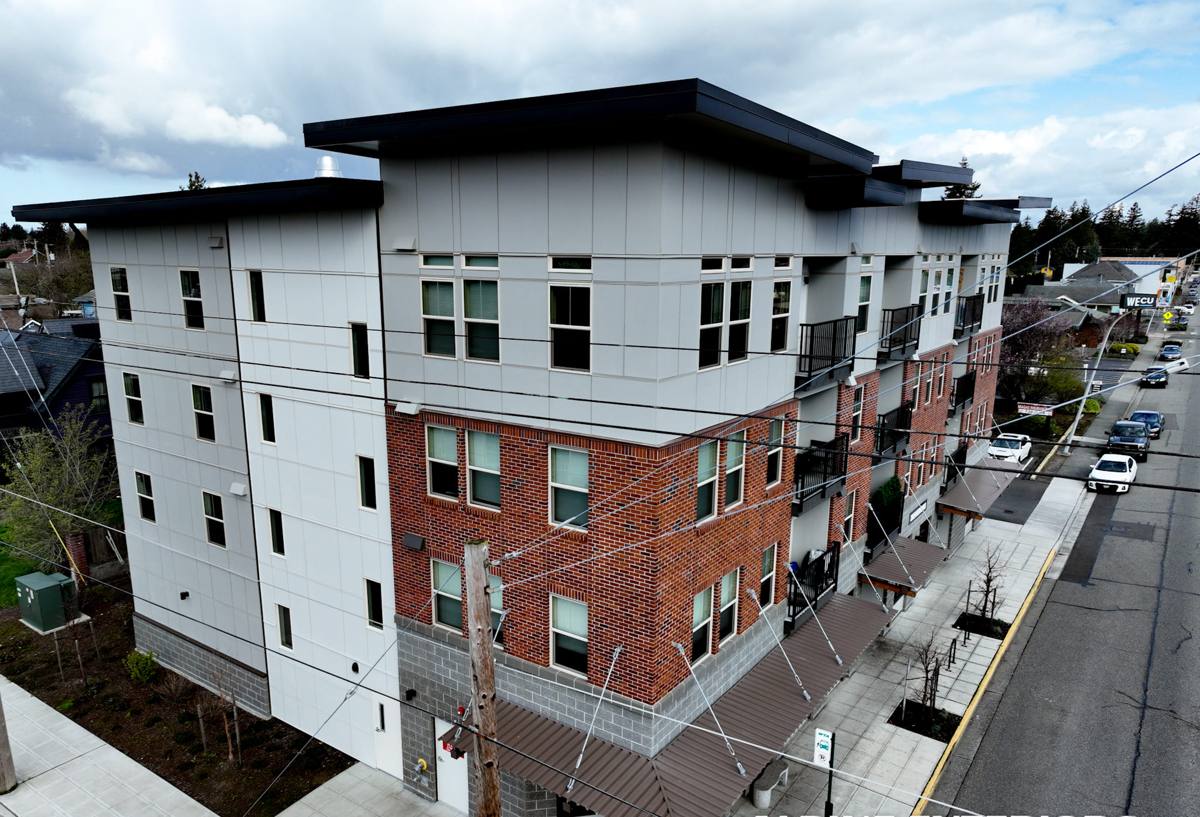
Why Board & Batten Fits Point Roberts
Board and batten is a vertical siding pattern — wide boards with narrower battens covering the seams — and it reads well on the mix of homes you see around Point Roberts, from older cottages to newer builds. It also has a practical advantage in a wet climate: the vertical orientation sheds water down the face of the wall rather than collecting it along horizontal laps, which matters when you're getting rain pushed sideways off the Strait.
That said, the style lives or dies on two things: what the boards are made of, and how the seams and battens are fastened and flashed. Get either one wrong in a salt-air environment and you're looking at premature failure, no matter how good the pattern looks going up.
What the Point Roberts Climate Actually Does to Siding
- Salt air: Corrodes exposed fasteners and accelerates the breakdown of anything not engineered to resist it, and it dulls or degrades paint film on wood-based products faster than an inland location would see.
- Driving rain: Wind off the water pushes water sideways into vertical seams and batten joints, so any gap or under-caulked joint becomes a moisture entry point instead of a cosmetic issue.
- Long moss season: Damp, shaded north and west walls stay wet longer into spring, and moss and algae hold moisture against the siding surface for extended stretches, which is hard on any substrate that isn't moisture-stable.
Why We Only Install James Hardie for This Application
We install James Hardie fiber cement exclusively — no LP SmartSide, no vinyl, no Cemplank or Allura, no primed spruce or cedar board and batten. That's not a marketing position, it's a standard we hold because of exactly the conditions described above. Wood-based and engineered-wood board and batten products can look good on day one, but in a marine environment with sustained damp exposure, moisture management becomes an ongoing maintenance job — recaulking joints, repainting cut edges, watching for swelling at the battens. Vinyl board and batten avoids rot but doesn't hold up structurally or aesthetically to the wind loads and UV cycling common on an exposed peninsula, and it can't take the true dimensional profile that makes board and batten look right in the first place.
James Hardie fiber cement is non-combustible, dimensionally stable, and doesn't absorb water the way wood-based sidings do, which matters directly for the salt air and moss exposure in Point Roberts. It's factory-finished with ColorPlus technology, so the color coat is baked on and doesn't rely on field-applied paint holding up against salt spray. Hardie's HZ5 product line is engineered specifically for harsher climate zones, which fits the exposure profile out here better than a standard product line would.
| Material | Moisture Behavior in Salt Air | Long-Term Maintenance |
|---|---|---|
| James Hardie fiber cement (HZ5) | Dimensionally stable, doesn't swell or rot, resists moss-related moisture retention | Occasional wash; factory finish holds color |
| Primed wood / spruce board & batten | Absorbs moisture at joints and cut ends, prone to swelling and rot over time | Regular recaulking and repainting |
| Vinyl board & batten | Doesn't rot but can warp, fade, or crack under wind and UV cycling | Low, but limited repair options once damaged |
| LP SmartSide / engineered wood | Better than raw wood but still moisture-sensitive at cut edges and seams | Moderate; edge sealing and inspection needed |
What Correct Board & Batten Installation Involves
Board and batten looks simple from the street, but the installation details are what determine whether it lasts in a coastal climate like Point Roberts. A few things we treat as non-negotiable:
Weather-Resistive Barrier and Rainscreen
Behind every board, there needs to be a properly lapped weather-resistive barrier, and in a high-moisture, high-wind-driven-rain area we favor a rainscreen gap behind the siding. That gap lets any incidental moisture that does get past the cladding drain and dry out instead of sitting against the wall sheathing.
Fastener Selection
In a salt-air environment, fastener corrosion is one of the most common causes of premature siding failure — not the siding material itself. We use fasteners rated for the exposure, driven per Hardie's specifications, so you're not looking at rust streaks and loosening boards a few years down the road.
Joint and Seam Treatment
Every seam where a batten meets a board, and every point where siding meets trim, window, or roofline, is a potential entry point for wind-driven rain. Correct flashing details and properly specified sealants at these transitions are what keep water out over the long run — not caulk alone.
Clearance and Grading
Siding installed too close to grade, decking, or roof lines traps moisture and encourages the kind of moss and algae growth that thrives during the long damp season here. We hold proper clearances so the material can actually dry between wet stretches.
Our Process for Point Roberts Projects
Because Point Roberts is a distinct community with its own access and logistics considerations, we plan projects out here a little differently than a job closer to central Blaine:
- On-site assessment: We look at wall exposure by direction, existing moisture damage, current siding condition, and how the home sits relative to wind and rain patterns off the water.
- Material and profile planning: We confirm board width, batten spacing, and HZ product selection based on the specific exposure of each elevation.
- Scheduling around access and weather: We plan material delivery and crew logistics with Point Roberts' access in mind, and we sequence work to avoid installing over wet or marginal weather windows whenever possible.
- Installation to spec: Rainscreen, fasteners, flashing, and clearances are handled per Hardie's installation requirements, not shortcut for speed.
- Final walkthrough: We review the finished work with you, including maintenance basics specific to a salt-air, high-moss environment.
Why the Crew Matters as Much as the Product
Even the best siding product fails early if it's installed wrong. Board and batten in particular is unforgiving of shortcuts — the vertical joints are exactly where wind-driven rain wants to get in, and a crew unfamiliar with coastal Whatcom County conditions may not weight flashing and fastening the way the exposure demands. A crew that already works Point Roberts and the greater Blaine area understands how differently a north-facing wall behaves here compared to a sheltered inland lot, and plans the installation accordingly instead of applying a one-size-fits-all approach.
What to Ask Any Contractor Before Board & Batten Work
- Do they install a rainscreen or drainage gap behind the siding, or direct-nail to the barrier?
- What fastener type and spec do they use, and is it rated for coastal/salt-air exposure?
- Are they James Hardie certified or experienced with Hardie's specific installation requirements?
- How do they detail flashing at windows, doors, and roof transitions on a vertical siding profile?
- Can they explain why they'd choose one HZ product line over another for a specific wall exposure?
Cost Factors for Point Roberts Board & Batten Projects
Every home is different, but a few things consistently move the price on a board and batten project out here: the amount of tear-off and prep needed on existing siding, wall square footage and complexity (dormers, multiple gables, and trim details all add labor), the extent of any moisture or rot repair uncovered once old siding comes off, and access/logistics tied to the property itself. We don't quote a number without seeing the home, but we're upfront about these factors during the estimate so there are no surprises once work starts.
Get a Straight Answer on Your Point Roberts Siding
If you're weighing board and batten siding for a home in Point Roberts, we're happy to take a look and give you an honest read on what your walls need — no pressure, no inflated urgency. Fill out the form below for a free estimate, and we'll walk the property with the local climate in mind from the start.