 Blaine Roofing
 Board & Batten Siding Built for Peace Arch's Marine Climate
Peace Arch sits right up against the water and the Canadian border, which means homes here take weather from a direction most inland Whatcom County properties never see. Board and batten siding — with its crisp vertical lines and strong shadow reveal — has become one of the most requested looks in this part of Blaine, and it happens to be one of the better-performing styles for the conditions homeowners actually deal with here. Done correctly, with the right material and the right wall assembly behind it, board and batten can outlast several paint cycles and shrug off the salt-laden wind that comes straight off the bay. Done wrong, it's one of the faster ways to trap moisture behind a wall.
This page is about that one job, in this one area: what Peace Arch homes need from board and batten siding, what a correct installation looks like, and why we install it in James Hardie fiber cement only.
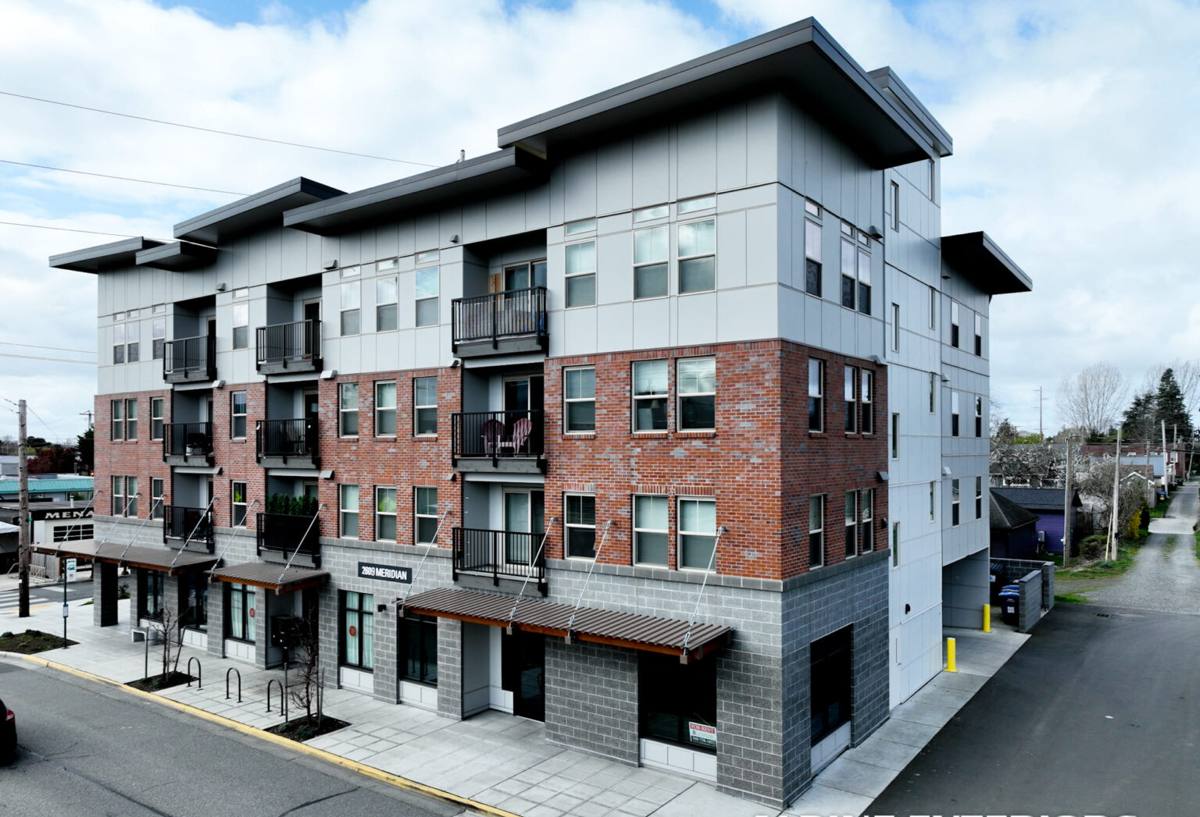
What Blaine's Weather Does to Siding Over Time
Three things wear down exterior siding in this part of Whatcom County faster than in most of the state, and Peace Arch gets a concentrated dose of all three because of its proximity to the water.
Salt Air and Metal Fasteners
Homes closer to Semiahmoo Bay and the Strait of Georgia sit in a corrosive marine airstream. Salt-laden moisture works into fastener heads, flashing seams, and any exposed edge where a coating has worn thin. Over years, that corrosion telegraphs through paint as rust streaking and, eventually, fastener failure at panel edges. This is a material and hardware decision as much as an installation one — the wrong fasteners or trim details will fail faster here than they would twenty miles inland.
Driving Rain and Wall Assemblies
Winter storms off the water don't just fall straight down — wind-driven rain gets pushed sideways into wall surfaces, seams, and butt joints. A siding system that relies on caulk alone to keep water out, rather than proper flashing, laps, and drainage behind the cladding, is working against the odds every winter. Vertical board and batten actually has an advantage here: water runs down the face rather than pooling on a horizontal ledge, but only if the underlying wall assembly is built to shed what does get past the surface.
Moss Season
Blaine's long, wet stretch from fall through spring gives moss and algae months to establish themselves on any siding surface that stays damp — shaded elevations, areas under tree cover, and anywhere air can't circulate behind the cladding. Moss growth isn't just cosmetic; it holds moisture against the wall longer than bare siding would, which accelerates whatever degradation is already happening underneath.
Why Board & Batten Suits This Area
Beyond the look, vertical board and batten has practical advantages for a coastal, wet climate like Peace Arch's. The vertical orientation sheds water more directly than horizontal lap siding, there are fewer horizontal ledges for debris and moss to collect on, and the batten strips create a rhythm of shadow lines that reads well against the muted, overcast light typical of this part of the Pacific Northwest. It also pairs naturally with the mix of traditional and modern coastal home styles found in and around Blaine.
The James Hardie Board & Batten System
We install board and batten as a James Hardie fiber cement system, not as individual wood or composite boards nailed up ad hoc. That distinction matters for how the finished wall performs over time.
HardiePanel Vertical Siding
The field material is HardiePanel vertical siding — large-format fiber cement sheets engineered for exterior exposure. Fiber cement doesn't absorb water the way wood-based products do, so it doesn't swell, cup, or rot at cut edges the way an untreated or under-primed board can when it takes on repeated wetting.
Battens and Trim
HardieTrim boards are installed over the panel seams to create the batten lines, spaced and fastened to a written engineering spec rather than eyeballed. Reveal width, fastener spacing, and gap tolerances all affect how the wall handles expansion, contraction, and water shedding — this is where a rushed installation shows up first, usually within a few years.
ColorPlus Factory Finish
Where the project calls for it, we use ColorPlus finish — a factory-applied, baked-on coating that holds color and resists fading and chipping far better than field-applied paint, which matters in a climate that puts UV, salt, and moisture on a wall almost year-round. It also means less repainting over the life of the siding, which is a real consideration for anyone weighing long-term maintenance against upfront cost.
What a Correct Installation Involves
Board and batten looks simple from the curb, but the assembly behind it is where the job succeeds or fails. On a Peace Arch home, we treat the following as non-negotiable:
- A continuous, properly lapped weather-resistant barrier behind the siding — no gaps, no shortcuts at penetrations
- A rainscreen gap (furring strips or a drainage mat) so any moisture that gets past the cladding can drain and dry instead of sitting against the sheathing
- Correct flashing at every window, door, and roofline intersection — the majority of siding failures we're called to diagnose start at a flashing detail, not the field material
- Fastener spacing, penetration depth, and clearance from panel edges set to James Hardie's published installation guide, not general carpentry judgment
- Stainless or hot-dip galvanized fasteners and trim hardware rated for coastal exposure, given the salt air off the bay
- Proper caulking at butt joints and corners using a product compatible with fiber cement and rated for the assembly, applied as a backup to good flashing, not a substitute for it
- Ground clearance and bottom-of-wall detailing that keeps splash-back and standing moisture away from the lowest course
Board & Batten vs Other Siding Options for Peace Arch Homes
| Material | Moisture Behavior in This Climate | Salt Air Durability | Maintenance |
|---|---|---|---|
| James Hardie board & batten | Doesn't absorb water; stable at cut edges when properly sealed | Strong, especially with ColorPlus finish and correct hardware | Low — periodic wash, no repainting for many years with ColorPlus |
| Wood board & batten | Absorbs moisture at joints and end grain; prone to cupping and rot in wet cycles | Moderate; finish breaks down faster near salt air | High — regular repainting and moisture inspection |
| Vinyl vertical panel | Doesn't rot, but relies on loose-fit installation that can let wind-driven rain track behind panels | Can become brittle and fade faster under UV and salt exposure | Low labor, but limited repair options if panels crack or warp |
| LP SmartSide board & batten | Engineered wood strand product; performs best when field cuts and edges are fully sealed and maintained | Moderate; edge sealing becomes more critical in marine air | Moderate — edge maintenance is important over time |
We install James Hardie exclusively. It's not that the alternatives above can't be installed correctly elsewhere — it's that in a climate stacking salt air, driving rain, and a long moss season on top of each other, we've standardized on the material and system that gives homeowners the least maintenance burden and the most predictable long-term performance.
What Affects the Cost of a Board & Batten Project
| Factor | Why It Matters |
|---|---|
| Batten spacing and reveal design | Tighter spacing means more trim material and more labor hours per square foot |
| Existing siding removal | Tear-off, disposal, and sheathing inspection add time before the new system goes up |
| Wall condition underneath | Rot or water damage found during removal needs to be repaired before siding closes it back up |
| Home height and access | Multi-story walls, tight lot lines, and steep grades affect scaffolding and staging time |
| Finish choice | Factory ColorPlus color costs more upfront than primed material but reduces future repainting |
| Trim and corner detailing | Custom corner boards, window trim, and transitions add labor beyond flat field panel |
We walk every one of these through with a homeowner before quoting, because a fair estimate depends on what's actually happening behind the existing siding — not just the square footage of the walls.
Maintenance in a Marine Climate
Board and batten in James Hardie fiber cement is low-maintenance, not no-maintenance. In Peace Arch specifically, we recommend an annual look at a few things: moss or algae buildup on shaded or north-facing walls, caulk condition at butt joints and trim corners, and any signs of rust streaking at fastener heads or metal flashing. Catching a failed caulk joint or a corroding fastener early is a small fix; ignoring it for a few wet seasons is not. A soft wash on a schedule that fits the home's shade exposure keeps moss from establishing a foothold in the first place.
Why Hiring a Crew That Already Works Peace Arch Matters
General siding experience doesn't automatically translate to knowing how a specific stretch of coastline behaves. A crew that already works in Peace Arch knows which elevations catch the worst of the wind-driven rain off the water, which walls stay shaded long enough to grow moss faster than others, and how much margin to build into flashing and fastener choices for the salt air coming off the bay. That local pattern recognition shows up in details a generic install crew might not think to prioritize — extra attention at a north wall, a slightly more conservative flashing lap on the weather side of the house, hardware chosen for corrosion resistance rather than the cheapest compliant option. None of that is exotic; it's just what happens when a crew has repeated the same climate problem enough times to know where it shows up first.
If you're weighing board and batten siding for a Peace Arch home, we're happy to walk the property, look at what's there now, and put together a straightforward, no-pressure estimate. Use the form below to get started.