 Blaine Roofing
 Why Siding Takes Extra Abuse Near Dakota Creek
Homes along Dakota Creek sit in one of the more demanding microclimates in Whatcom County. The creek corridor stays shaded and damp for much of the year, tree canopy holds moisture against exterior walls longer than it does on open lots, and the area's proximity to Drayton Harbor and Semiahmoo Bay means siding here deals with marine salt air on top of the region's normal rainfall. That combination — salt, standing moisture, and shade — is exactly the recipe that breaks down siding faster than the manufacturer's spec sheet ever accounts for.
None of that means Dakota Creek homes are doomed to constant siding problems. It means the repair work has to account for causes, not just symptoms. A patch that looks fine in July can fail again by the following spring if the crew didn't address why the damage happened in the first place.
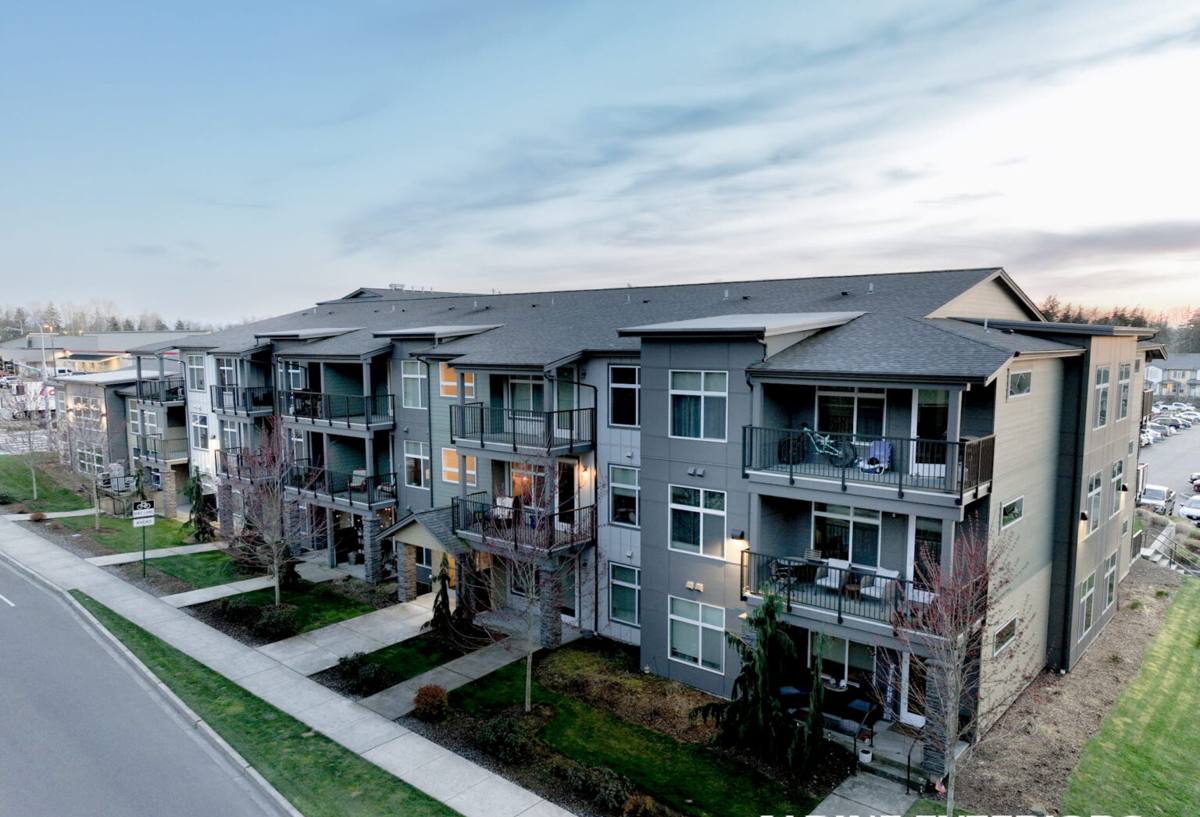
What Blaine's Climate Actually Does to Siding
Salt Air
Airborne salt from the harbor and bay settles on exterior surfaces and accelerates corrosion of fasteners, flashing, and any metal trim tied into the siding system. Over years, corroding fasteners loosen panels, and corroding flashing stops shedding water the way it's supposed to — which is often the real root cause behind siding that looks "randomly" damaged in a few spots.
Driving Rain
Blaine gets wind-driven rain off the water, not just straight-down rain. Wind-driven moisture finds horizontal laps, unsealed joints, and butt seams that would stay dry in a calmer climate. Repairs that don't correct the water path just delay the next failure.
Moss and Shade
Long moss season near the creek's tree cover means organic growth holds moisture against the siding surface for extended stretches. On the wrong material, that constant damp contact leads to softening, delamination, or paint failure well before the siding is otherwise "worn out."
Signs Your Siding Needs Repair — Not a Full Tear-Off
Most Dakota Creek homes we look at don't need a full re-side. They need a correctly diagnosed repair to a section of the wall that's taking disproportionate weather exposure. Common indicators we check for:
- Soft or spongy spots when pressed, especially near the bottom courses and around window trim
- Visible gaps, cupping, or separation at horizontal laps and butt joints
- Paint or finish that's peeling, bubbling, or chalking in isolated areas rather than across the whole wall
- Persistent moss or algae staining concentrated on one elevation, usually the north or shaded side
- Rust streaking below fasteners or trim, a sign the metal underneath is corroding
- Visible daylight, drafts, or water staining on interior walls that back up to an exterior siding section
- Localized impact damage — cracked or missing panels from storm debris or falling limbs, common near creek-side tree cover
If damage is contained to a section of wall and the underlying sheathing hasn't been compromised, targeted repair is almost always the right call — it's faster, less disruptive, and more cost-effective than replacing siding that's still doing its job everywhere else.
What a Correct Siding Repair Actually Involves
Diagnosing the Cause, Not Just the Damage
Before we touch a panel, we trace the damage back to its source. Is water getting behind the siding at a flashing detail? Is a fastener pattern failing because of corrosion? Is moss holding moisture against a specific run because of shade and poor airflow? Replacing a cracked panel without fixing the underlying water path is a repair that's guaranteed to repeat.
Checking What's Behind the Siding
Once damaged panels are removed, we inspect the water-resistive barrier, sheathing, and framing underneath. Coastal Whatcom County homes with a history of moisture intrusion sometimes have soft sheathing or compromised house wrap that needs addressing before new siding goes back on — patching over a wet wall assembly just hides the problem.
Matching Material and Finish
A repair that's structurally sound but visually mismatched still looks like a patch job. We match profile, exposure, and color as closely as the existing siding allows, which is far easier when the home was originally installed in a factory-finished product with consistent, documented color runs.
Correcting Flashing and Sealant Details
Most repeat siding failures near the water trace back to flashing, not the siding material itself. We re-flash window and door heads, correct kick-out flashing where roof lines meet walls, and use sealant only where it belongs — as a secondary defense, not the primary water barrier.
Repair vs. Replacement: How We Decide
| Factor | Favors Repair | Favors Full Replacement |
|---|---|---|
| Extent of damage | Isolated to one or two wall sections | Spread across multiple elevations |
| Sheathing condition | Dry, solid behind damaged panels | Soft, rotted, or water-stained broadly |
| Age of existing siding | Within normal service life, well-maintained | Near or past expected lifespan |
| Material match | Original product still available or closely matched | Discontinued, faded beyond match, or incompatible material |
| Underlying cause | Fixable flashing/detail issue | Systemic installation or moisture problem |
We'll tell you plainly which category your home falls into. If a repair will hold, we're not going to sell you a full replacement — and if the damage points to a bigger underlying problem, we're not going to patch over it and let it come back.
Why We Repair With James Hardie Fiber Cement
When we do need to bring in new material to complete a repair, we use James Hardie fiber cement — it's the only siding product we install, on repairs or full jobs. In a climate like Dakota Creek's, that choice matters more than it might on a drier, inland lot.
Fiber cement doesn't absorb moisture the way wood-based products can, so a repaired section isn't a weak point for future rot even under sustained shade and dampness. It's non-combustible, holds paint and factory finish far longer under UV and salt exposure than field-applied coatings, and James Hardie's HZ5 product line is engineered specifically for climate zones like ours — freeze-thaw cycling, sustained moisture, and coastal exposure. We don't install vinyl, LP SmartSide, Cemplank, Allura, or bare wood siding, and we won't patch a repair with them either. Mixing materials on a wall creates different expansion rates, different moisture behavior, and different long-term maintenance needs — all of which work against a clean, lasting repair.
The factory-applied ColorPlus finish also matters specifically for repairs: because the color is baked on at the factory rather than mixed and sprayed on-site, matching an existing Hardie wall is far more consistent than trying to match a field-painted product years after the original installation.
Our Process for Dakota Creek Siding Repairs
1. On-Site Inspection
We walk the exterior, identify every affected area (not just the spot you called about — storm and moisture damage often shows up in more than one place), and check behind a sample section if damage suggests moisture intrusion.
2. Honest Scope and Written Estimate
You get a clear explanation of what's damaged, why, and whether repair or replacement is the right call — with a written scope before any work starts.
3. Removal and Structural Check
Damaged panels come off, and we inspect the sheathing and water-resistive barrier underneath before anything new goes back up.
4. Flashing and Barrier Correction
We fix the water management details that caused the damage — not just the siding itself.
5. Install and Match
New James Hardie material goes in, matched to existing profile and color as closely as possible, fastened and sealed to spec for our climate.
6. Final Walkthrough
We review the completed work with you and point out anything worth keeping an eye on going forward.
What Happens When Siding Repairs Get Put Off
Deferred siding damage in a wet, salt-exposed climate rarely stays cosmetic. Water that gets behind a cracked or gapped panel travels — it can reach sheathing, framing, and insulation long before it's visible from the outside. What would have been a contained repair this season can turn into sheathing replacement or interior wall repair a year or two later. In an area with as much sustained moisture exposure as the Dakota Creek corridor, the gap between "small problem" and "expensive problem" tends to close faster than homeowners expect.
Why It Matters to Hire a Crew That Already Works This Area
Siding repair isn't a one-size-fits-all trade. A crew that mostly works drier, inland regions won't necessarily think to check kick-out flashing at roof-wall intersections the way a crew that's spent years dealing with Whatcom County's wind-driven rain will. Local experience means recognizing the specific failure patterns this stretch of coastline produces — salt-driven fastener corrosion, moss-related moisture retention under tree cover, and wind-driven rain finding gaps that wouldn't be an issue elsewhere. That's the difference between a repair that solves the actual problem and one that just covers it up until next winter.
If you're seeing damage, soft spots, or persistent moss staining on your siding, we're happy to take a look and give you a straightforward, no-pressure assessment of what's going on and what it would take to fix it right. Use the form below to request a free estimate.