 Blaine Roofing
 The Climate Nooksack Siding Has to Stand Up To
Homes in the Nooksack area near Blaine sit in one of the more demanding climates on the Washington coast for exterior materials. You've got salt-laden air drifting in off the water, long stretches of driving rain through fall and winter, and — because so many lots here have mature tree cover — shade patterns that keep siding damp far longer than homes out in the open. That combination is exactly what breaks down the wrong siding material years before it should fail.
Moss is the most visible symptom, but it's not the real problem. Moss grows where moisture sits, and moisture sits where a siding system doesn't shed water fast enough or dries out too slowly between storms. On wood-based products, that trapped moisture eventually means swelling, soft spots, and paint that won't hold. On the wrong composite products, it means edge swelling and delamination. The siding itself has to be built to handle sustained dampness without breaking down — the finish and the substrate both matter.
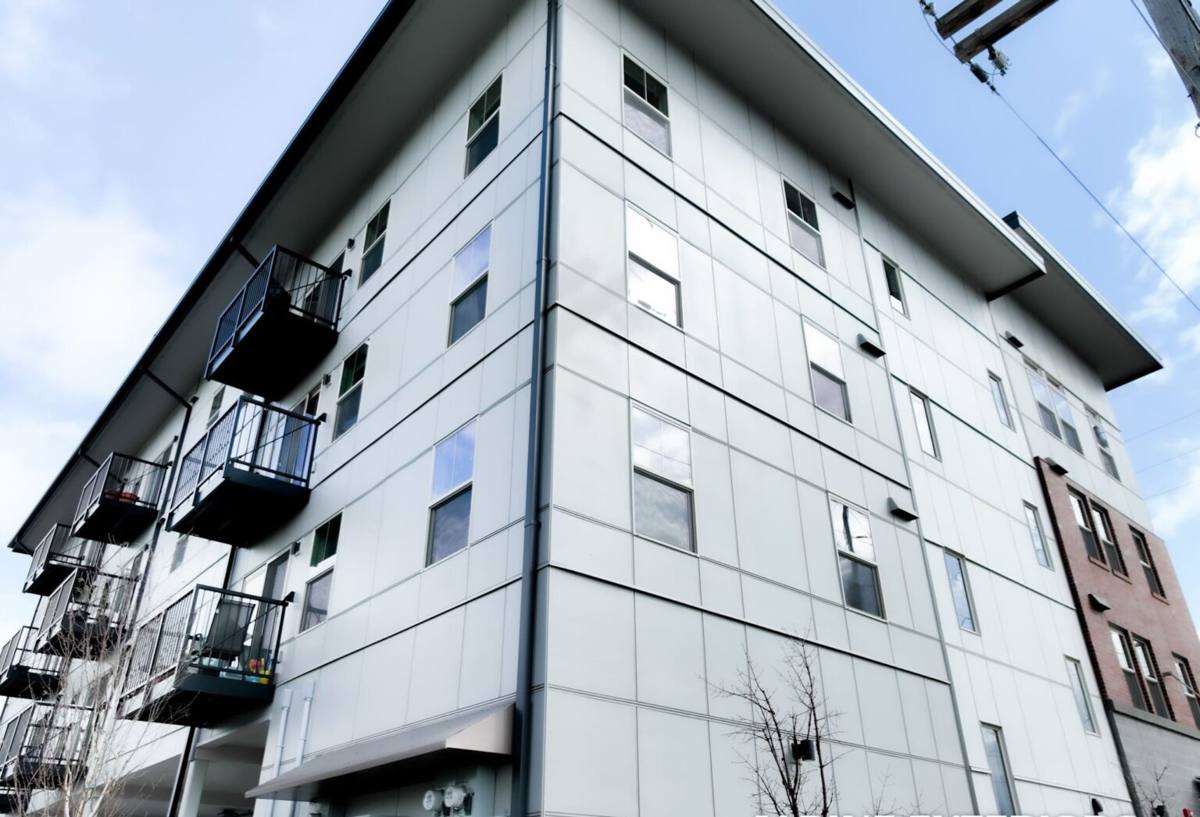
What a Correct Siding Installation Actually Involves
Siding failures around Blaine are rarely about the siding brand alone — they're almost always about how the job was installed underneath it. The visible panel is the last layer of a system, and if the layers behind it are wrong, no siding material will hold up.
Weather-Resistive Barrier and Flashing
Every wall needs a continuous weather-resistive barrier behind the siding, lapped correctly from the bottom up so water is directed out and down, never trapped behind the cladding. Windows, doors, and any wall penetration need proper flashing integrated into that barrier — this is where the majority of hidden water intrusion actually starts, not at the siding face itself. In a climate that gets driving, wind-blown rain off the water, sloppy flashing detail is the single most common cause of rot we find behind old siding.
Fastening, Clearances, and Ventilation
Fiber cement siding has specific fastening requirements — nail placement, spacing, and depth all affect how the panel performs over time. Ground clearance and clearance from roof lines, decks, and grade also matter more here than in drier parts of the state, because splash-back and standing moisture near the base of a wall are a bigger factor in a wet Northwest winter. Rainscreen or drainage gap detailing behind the panel gives trapped moisture somewhere to go instead of sitting against the wall.
Why We Install Only James Hardie Fiber Cement
We made a decision as a company to install one siding system: James Hardie fiber cement. We don't install vinyl, LP SmartSide, Cemplank, Allura, primed spruce, or cedar, and that's not a marketing position — it's a standard we hold because of what this climate does to the alternatives over a 15-to-20-year window.
Fiber cement is non-combustible, which matters in Washington regardless of coastal moisture concerns. It doesn't absorb water the way wood-based or engineered-wood products do, so it isn't feeding the moss-and-rot cycle that's common on shaded, damp lots. Hardie's ColorPlus finish is baked on at the factory under controlled conditions, which holds color and resists the chalking and peeling that field-applied paint struggles with in a climate that rarely gives paint enough dry days to cure properly. And Hardie engineers specific product lines — HZ5 for this region — for exposure to moisture and temperature swings rather than selling one generic panel everywhere in the country.
None of that means other products are junk. Vinyl is inexpensive and low-maintenance in the right setting. Cedar has real appeal if someone wants to commit to its upkeep. LP SmartSide and other engineered-wood products have improved over the years. But we install exterior siding for a living in a wet coastal climate, and we've settled on the one system that gives homeowners the least maintenance risk and the strongest backing over the long haul. That's the trade-off we're willing to stand behind.
Signs Siding in the Nooksack Area Is Falling Behind
Because tree cover and coastal moisture accelerate wear here, it's worth knowing what to watch for before a small problem becomes a wall-sheathing problem.
- Moss or algae that keeps coming back within weeks of being cleaned off
- Paint that's peeling, bubbling, or chalking heavily between repaints
- Soft or spongy spots when you press on the siding, especially near the bottom courses
- Visible warping, cupping, or gaps opening up at seams and corners
- Staining or dark streaking below window sills and butt joints
- Higher heating bills without another clear explanation, which can point to a compromised weather barrier
Any one of these on its own isn't necessarily an emergency, but two or more together usually means the water-management layer behind the siding has already been compromised.
Our Installation Process
The process is the same discipline whether the home is right in Blaine or out toward Nooksack, but the details we pay closest attention to shift based on tree cover, sun exposure, and how exposed the lot is to weather.
We start with a walk-around assessment of the existing siding and wall condition, including checking for soft sheathing or hidden moisture damage before any tear-off begins — this is the step that determines whether we're doing a straightforward re-side or dealing with repair work underneath first. From there we remove the old siding, inspect and repair sheathing as needed, install a new weather-resistive barrier with correctly lapped flashing at every window, door, and penetration, and then install the Hardie panels or lap siding to manufacturer fastening specs. We finish with trim, caulking at the points that actually need it, and a final walk-through so you know exactly what was done and why.
What Siding Replacement Costs Depend On
Every home is different, so we don't quote a number without seeing the house, but the factors that move the price are consistent. Broad ranges below are for general planning only.
| Cost Factor | Why It Matters |
|---|---|
| Home size and wall area | More square footage means more material and labor hours |
| Number of stories | Second-story and higher work requires more scaffolding/staging time |
| Condition of existing sheathing | Hidden rot found during tear-off adds repair scope before new siding goes on |
| Siding profile chosen | Lap siding, panel siding, and shingle-style Hardie products differ in material and labor cost |
| Trim and detail work | Corner boards, window trim, and fascia detail add labor beyond flat wall coverage |
| Site access | Tree cover, tight lots, and steep grades common around Nooksack can slow staging and cleanup |
As a general range, full siding replacement on a typical single-family home in Whatcom County runs from the mid five figures into six figures depending on size and scope — we'll give you an exact number after seeing the house, not before.
Why Hiring a Crew That Already Works in Nooksack Matters
A siding contractor who mostly works drier inland areas will detail a wall differently than one who works this coastal stretch of Whatcom County every week. That's not a knock on their skill — it's just that the failure points we see repeatedly around Blaine and Nooksack (moss buildup on shaded north walls, splash-back near grade, wind-driven rain at exposed corners) aren't things every crew is tuned to catch. A crew with local experience knows which walls on a typical Nooksack lot need extra attention before the first panel ever goes up, and they've already seen what happens when that attention gets skipped.
Local experience also means a faster, more realistic read on permitting and inspection expectations for Whatcom County, and a better sense of how weather windows here actually work for scheduling a multi-day tear-off-and-reside job without leaving a wall exposed longer than it should be.
Living With Hardie Siding After It's Installed
One of the practical advantages of switching to fiber cement in this climate is how little ongoing maintenance it asks for compared to wood-based siding. It doesn't need repainting on the same cycle bare wood or primed wood does, and it isn't feeding moss growth the way a porous, moisture-absorbing material does. That doesn't mean zero maintenance — an occasional gentle wash to knock off surface algae or pollen, and keeping gutters and downspouts clear so water isn't dumping directly onto walls, go a long way toward keeping a Hardie installation looking right for the long haul in a wet climate like this one.
If your Nooksack-area home is due for new siding, or you're not sure whether what's on the walls now is still doing its job, we're happy to take a look. Reach out for a free, no-pressure estimate using the form below — we'll walk the property, tell you honestly what we find, and explain your options in plain terms.