 Blaine Roofing
 Decks Built for the Nooksack Area's Weather, Not Against It
A deck in the Nooksack area near Blaine sits under a different set of conditions than a deck fifty miles inland. Whatcom County's northwest corner gets a steady mix of salt-laden air off the Strait of Georgia, long stretches of driving rain, and a moss season that can run most of the year in shaded spots. None of that is a reason to avoid building a deck here — it's just a reason to build one correctly the first time. We work this area regularly, and the decks that hold up are the ones designed around these conditions from the framing out, not patched for them later.
This page covers what a properly built custom deck for this area actually needs, where decks in this climate typically fail first, how our process works, and what a realistic project involves cost-wise. It's meant to help you make an informed decision, whether you're replacing a tired deck or starting from bare ground.
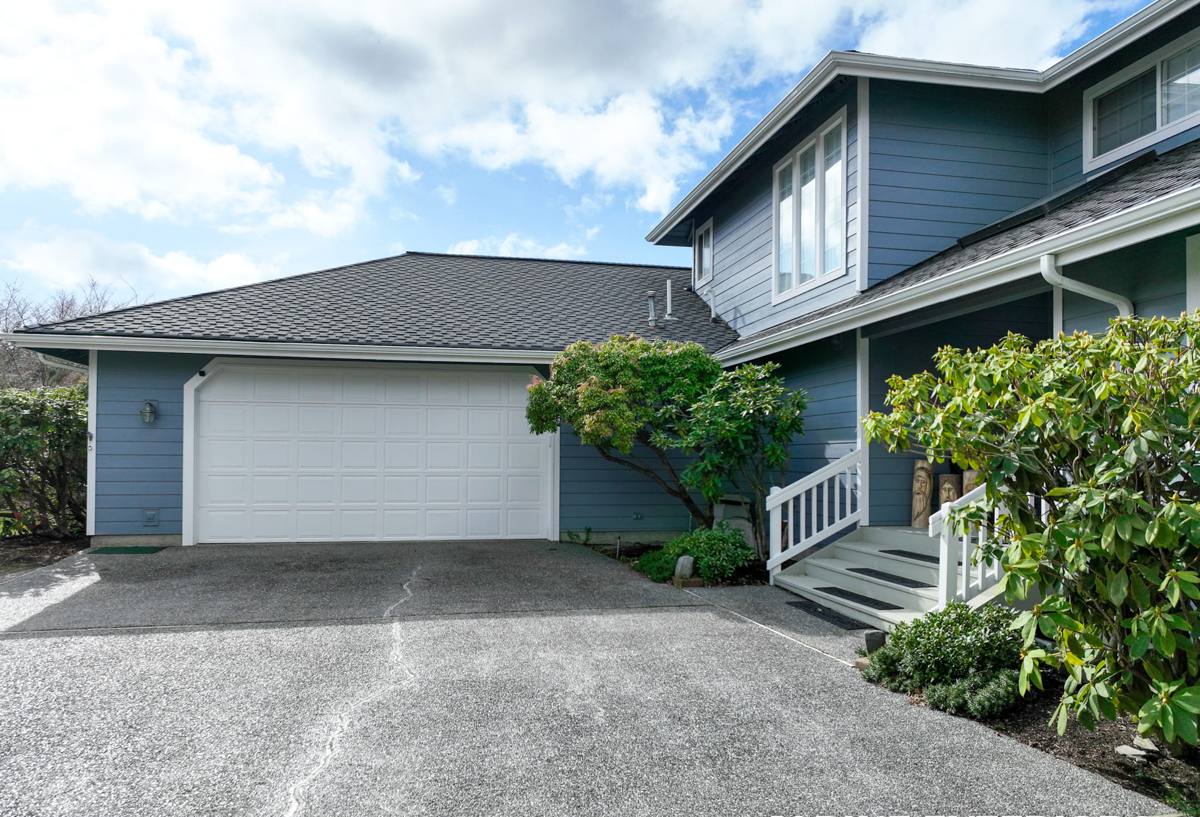
What Salt Air, Rain, and Moss Actually Do to a Deck
Salt Air and Metal Fasteners
Proximity to salt water accelerates corrosion on anything metal — nails, screws, joist hangers, bolts. Standard electro-galvanized fasteners can start showing rust streaks and pitting within a few seasons this close to the water. Once a fastener corrodes, it loses holding strength long before it looks obviously bad, which is part of why deck fastener failure is often invisible until someone notices movement in the structure.
Driving Rain and Moisture Intrusion
This area doesn't just get a lot of rain — it gets wind-driven rain that pushes water sideways into joints, ledger connections, and any horizontal surface that isn't properly sloped or flashed. Water that gets trapped between decking boards and framing, or behind a poorly flashed ledger board, doesn't dry out quickly in our climate. That trapped moisture is where rot starts, usually in places you can't see until the damage is advanced.
Moss and Algae Growth
Shaded decks, decks under tree cover, and north-facing decks in this region grow moss and algae for a large part of the year. Beyond looking bad, moss holds moisture against the wood surface and makes boards slick and dangerous underfoot, especially on stairs. Deck surfaces and drainage details that shed water quickly slow moss growth considerably; ones that don't become a maintenance headache within a year or two.
Choosing Decking Material for This Climate
There's no single "best" decking material — there's a best material for your budget, your maintenance appetite, and how exposed your deck is to sun, shade, and moisture. Here's how the common options actually perform in a coastal Whatcom County climate.
| Material | Moisture Behavior | Moss/Algae Resistance | Maintenance |
|---|---|---|---|
| Pressure-treated lumber | Good if sealed regularly; prone to checking and warping if neglected | Low — needs cleaning and sealing to resist moss | Annual cleaning, resealing every 1-2 years |
| Cedar | Naturally moisture-resistant, but surface still needs protection | Moderate — natural oils help but fade over time | Cleaning and oiling every 1-2 years |
| Composite decking | Doesn't absorb water into the board itself | Moderate to good, depending on the capstock | Periodic washing; no staining or sealing |
| PVC decking | Fully moisture-resistant, no rot risk | Good — smooth, dense surface sheds moisture fast | Occasional washing only |
We don't push one product on every job. A shaded deck under trees is a poor candidate for a low-end composite that traps moisture against its core, while a sun-exposed deck can do fine with well-maintained cedar. Part of a proper design consultation is matching the material to your specific site conditions, not just your budget.
Why We're Selective About Composite Products
Not all composite and PVC decking is built the same way, and in a wet, salt-air climate the difference shows up faster than it would somewhere dry. Our standard is to install products with a fully-capped surface and a track record in coastal Pacific Northwest conditions, rather than the cheapest board on the shelf. Lower-tier composites with an uncapped or lightly capped core can absorb moisture at cut ends and fastener holes over time, which shortens their working life in exactly the conditions we build in. We'll walk you through the trade-offs honestly so you're choosing based on how the product performs here, not just its price tag.
Where Decks in This Area Fail First
After years of working on decks throughout Whatcom County, the failure points are consistent. Knowing them is useful whether you're building new or evaluating an existing deck.
- Ledger board attachment: where the deck meets the house is the single most common source of hidden rot if flashing wasn't installed correctly at build time.
- Fasteners and hardware: standard-grade screws and joist hangers corrode faster in salt air and lose grip long before failure is visible.
- Footings and post bases: posts set directly in soil or concrete without a proper standoff base wick moisture and rot from the bottom up.
- Board spacing and drainage: decking installed too tight doesn't allow water to drain and dry between boards, which speeds up both rot and moss growth.
- Stair treads and shaded surfaces: the first place moss takes hold, and the first place it becomes a slip hazard.
What Goes Into a Correct Build
Site Assessment and Design
We start by looking at sun exposure, shade patterns, drainage, and how exposed the site is to wind and rain. A deck tucked against a north-facing wall under trees needs different material and drainage decisions than one in open sun. We also confirm what permitting the project needs with the local jurisdiction before work starts — skipping this step is one of the more common corners cut by unlicensed labor, and it's not one we cut.
Framing and Flashing
This is where most long-term deck problems either get prevented or get built in. Proper ledger flashing that directs water away from the house, corrosion-resistant hardware rated for the exposure, and post bases that keep wood off wet concrete or soil are non-negotiable on our builds, not upgrades.
Decking Installation
Board spacing, fastening method, and orientation all affect how well a deck drains and dries. We install with drainage and airflow in mind, not just visual fit, because a deck that dries out quickly between rain events is a deck that resists rot and moss for years longer.
Final Walkthrough
Before we consider a job finished, we walk the deck with you — stair rail height and spacing, board fastening, drainage at the ledger, and general fit and finish. Any questions about maintenance going forward get answered on-site, not left for you to figure out later.
Cost Factors for a Nooksack-Area Deck
Every deck project is different, but the variables that move the price are consistent. This isn't a quote — it's a guide to what actually drives cost so you can plan realistically.
| Factor | Why It Affects Cost |
|---|---|
| Size and shape | More square footage and complex layouts (multi-level, angles, wraparounds) mean more framing and labor |
| Decking material | Pressure-treated is the least expensive up front; composite and PVC cost more initially but less in upkeep |
| Height off grade | Elevated decks need more substantial framing, railing, and often stairs |
| Site access and grading | Sloped or hard-to-access lots add labor for footings and material staging |
| Railing and features | Custom railing, built-in seating, or lighting add both material and install time |
| Existing structure removal | Tearing out and hauling away an old deck adds cost before the new build starts |
We provide a written estimate that breaks these factors down for your specific project, so you know what you're paying for and why, not just a bottom-line number.
Maintaining a Deck in This Climate
Even a well-built deck needs some upkeep in a wet, salt-air climate. This isn't a heavy list, but skipping it shortens the life of any decking material.
- Sweep debris off the deck surface regularly, especially leaves and needles that trap moisture
- Clean moss and algae off the surface and stairs at least once a year, more often on shaded decks
- Check and clear drainage gaps between boards so water isn't pooling
- Inspect the ledger board area and railing posts annually for soft spots or discoloration
- Reseal wood decking on the schedule appropriate to the product — don't let it go bare
- Tighten or replace any fasteners showing rust before they fail structurally
Why a Local Blaine-Area Crew Makes a Difference
Building decks specifically in this part of Whatcom County means we're not guessing about how salt air, driving rain, and moss affect a build over time — we see it on every job. That translates into material choices, flashing details, and fastener selection that come from experience with this specific climate, not a generic build spec used everywhere. It also means we're familiar with local permitting requirements and can be back at your property quickly if you ever have a question or a warranty item after the build.
A deck built without accounting for this area's conditions can look fine for a year or two before moisture problems, corroded hardware, or moss buildup start showing. Building it right the first time costs less than fixing it later, and it's a lot less disruptive.
If you're planning a new deck or replacing one that's past its prime, we're happy to take a look and talk through what makes sense for your property. Reach out for a free, no-pressure estimate using the form below.