 Blaine Roofing
 Siding Installation Built for Lynden's Weather, Not Just Its Curb Appeal
Lynden sits inland in the Nooksack Valley, but it shares the same marine-driven weather pattern that defines Whatcom County — long wet winters, wind-driven storms rolling in off the Salish Sea, and a growing season for moss and algae that can stretch nine months or more. Homes here take a different kind of beating than homes in drier parts of the state, and siding that isn't built and installed for that reality shows it early: streaking, soft spots, cupped boards, and green-black growth creeping up from the bottom courses. Siding installation in Lynden isn't just about picking a color and nailing up boards. It's about choosing a material engineered for sustained moisture exposure and installing it with the water-management details that keep that moisture out of the wall assembly in the first place.
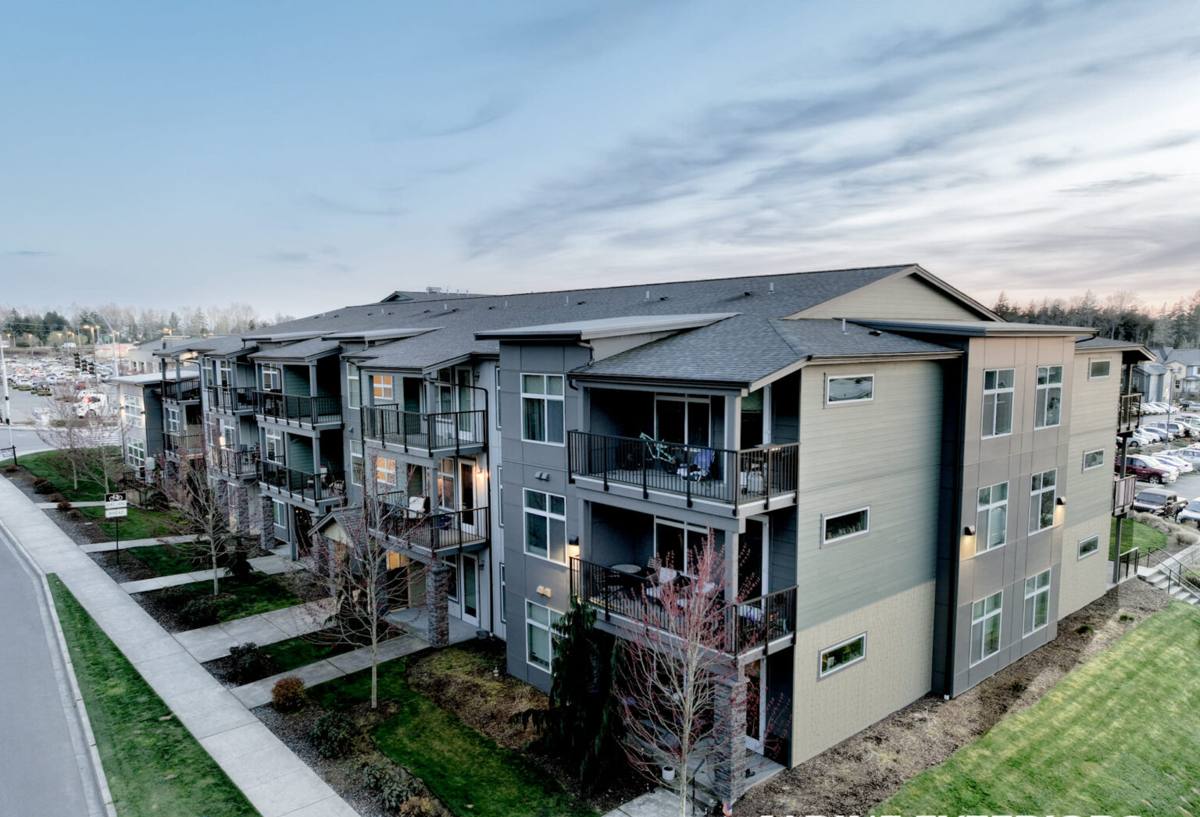
What Whatcom County Weather Does to Siding Over Time
Driving Rain and Wind-Driven Moisture
Storms that move through the valley don't just drop rain straight down — wind pushes it sideways into wall faces, gaps, and seams that would stay dry in a calmer climate. Over years, that driving rain finds every shortcut a rushed installation left behind: a missed piece of flashing, a caulked joint instead of a lapped one, a fastener driven too close to a butt seam. Materials that swell, warp, or absorb water under that kind of pressure eventually fail from the inside out, long before the surface looks bad.
A Long Moss and Mildew Season
Whatcom County's damp, mild climate is close to ideal for moss, algae, and mildew, and Lynden's tree cover and agricultural humidity add to it. Siding that stays wet longer between rain events — because it's shaded, poorly ventilated, or simply absorbs moisture rather than shedding it — gives moss more time to establish. Once it takes hold in seams and laps, it holds even more water against the material and accelerates whatever decay process was already underway.
Freeze-Thaw Cycles in the Valley
The Nooksack Valley sees more frost and cold snaps than coastal parts of the county, and Lynden's winters bring real freeze-thaw cycling. Any siding material that has already absorbed water is far more vulnerable during a freeze, because trapped moisture expands as it freezes and can crack, delaminate, or force joints apart. This is one of the clearest reasons material choice matters as much as workmanship.
Why We Install Only James Hardie Fiber Cement Siding
We made a standard decision a long time ago: James Hardie fiber cement is the only siding we put on homes, and we don't install vinyl, LP SmartSide, Cemplank, Allura, primed spruce, or cedar. That's not a marketing line — it's a professional judgment based on what holds up under exactly the conditions Lynden homes deal with every winter.
Fiber cement is non-combustible, which matters increasingly in Washington as wildfire risk and insurance underwriting both tighten around exterior materials. It doesn't rot, delaminate, or feed insects the way wood-based products can. Hardie's ColorPlus factory finish is baked on under controlled conditions rather than field-applied, which means better adhesion and color retention than most job-site paint jobs achieve — especially in a climate where the paint is fighting rain and UV for most of the year. And Hardie manufactures climate-specific formulations, engineered and tested for regions like ours that see sustained moisture and freeze-thaw cycling, rather than a single one-size-fits-all board sold everywhere from Arizona to Alaska.
We're not going to tell you every other siding product is worthless — plenty of them have real strengths in the right application. Vinyl is inexpensive and low-maintenance in mild, dry climates. Engineered wood products like LP SmartSide perform reasonably well when installation and maintenance are perfect and stay perfect for decades. Cedar has a look some homeowners genuinely prefer. But vinyl can warp and crack in temperature swings and offers little in a fire event; engineered wood relies on an intact resin-treated surface that field cuts and nail penetrations can compromise, and any breach becomes a moisture entry point in a climate that doesn't give wood much chance to dry out between rains; cedar demands a maintenance commitment — regular refinishing, caulking, and inspection — that most homeowners underestimate until the siding is already failing. Given what Lynden's climate does to a wall over twenty or thirty years, we'd rather install one product correctly than offer several and hope the maintenance gets done.
What a Correct Siding Installation Actually Involves
The material is only half the equation. Fiber cement siding installed without proper water-management detailing will still let moisture into the wall — Hardie's own warranty depends on installation following their published instructions, not just using their product. Here's what a correct installation actually requires.
Weather-Resistive Barrier and Drainage Plane
Every wall gets a continuous weather-resistive barrier (housewrap or building paper) installed and lapped correctly before a single piece of siding goes up. In a climate like ours, we also build in a drainage plane — a small air gap behind the siding — so that any water that does get past the cladding has somewhere to go besides straight into the sheathing.
Flashing and Water Management Details
Windows, doors, deck ledgers, and any place two roof and wall planes meet are the highest-risk spots for water intrusion. Correct installation means step flashing, head flashing, and kick-out flashing at every one of those transitions — not caulk used as a substitute for flashing. Caulk fails; properly lapped flashing sheds water by gravity and keeps working long after the caulk has cracked.
Fastening and Clearances
Hardie specifies fastener type, placement, and spacing for a reason — fiber cement needs to be fastened correctly to perform as designed, with proper edge distance and butt-joint treatment. We also hold the manufacturer's minimum clearances from grade, roof lines, and horizontal surfaces like decks and patios, which keeps splashback and standing moisture away from the bottom courses where failures usually start.
Ventilation Behind the Cladding
A wall that can't dry out is a wall that eventually fails, no matter how good the siding is. Proper venting at the top and bottom of the wall cavity lets any moisture that gets in evaporate back out, instead of sitting against the sheathing through a long wet winter.
Our Siding Installation Process in Lynden
- On-site assessment. We inspect the existing siding, sheathing, and trim condition, check for hidden moisture damage, and walk the property to note drainage, shading, and exposure on each elevation.
- Product and color selection. We walk you through Hardie's plank, panel, and shingle profiles and ColorPlus palette so you land on a look that fits the home and the neighborhood.
- Tear-off and sheathing repair. Old siding comes off, and any water-damaged sheathing or framing found underneath gets repaired before anything new goes up — covering damaged sheathing only locks the problem in.
- Weather barrier and drainage plane installation. Housewrap, flashing, and furring for the drainage gap go in first, following manufacturer specs at every penetration.
- Siding installation. Hardie boards, panels, or shingles are installed to spec with correct fastening, joint treatment, and clearances.
- Trim, caulking, and touch-up finishing. Trim goes on, factory-finished ColorPlus touch-up is applied only where field cuts exposed raw material, and the site is cleaned up.
- Final walkthrough. We review the completed work with you and cover basic care so the siding performs the way it's designed to for decades.
Choosing the Right James Hardie Product for Your Lynden Home
Hardie makes several distinct siding profiles, and the right one depends on your home's style, the look you want, and in some cases the wall exposure.
| Product | Look | Best fit |
|---|---|---|
| HardiePlank lap siding | Traditional horizontal lap, wide range of textures | Most farmhouse, craftsman, and traditional homes common around Lynden |
| HardieShingle | Staggered or straight-edge shingle profile | Cottage or coastal-style homes, accent gables |
| HardiePanel vertical siding | Clean vertical lines, often paired with battens | Board-and-batten farmhouse looks, barns, and outbuildings |
| HardieTrim | Fascia, corner boards, and window trim | Finishing detail on any of the above, matched or contrasted color |
All of these come in Hardie's factory-applied ColorPlus finish, which is engineered to resist fading and chipping better than field-applied paint — a real advantage in a climate where the siding rarely gets a long dry stretch to fully cure a job-site coat.
What Siding Installation Costs in Lynden — Factors That Matter
Every home is different, so we won't quote a number without seeing the site, but these are the factors that move the price up or down on most Lynden projects.
| Factor | Why it matters |
|---|---|
| Home size and wall area | More square footage means more material and labor, the largest single cost driver |
| Existing siding removal | Tear-off and disposal of old vinyl, wood, or damaged siding adds time and dump fees |
| Sheathing or framing repair | Water damage found during tear-off has to be fixed before new siding goes on |
| Profile and detailing | Board-and-batten, mixed profiles, and heavy trim work take more labor than plain lap siding |
| Home shape and story count | Multiple gables, dormers, and second-story walls add cutting, flashing, and access complexity |
| Color and finish choice | Factory ColorPlus finishes vary slightly in price by line and color depth |
Signs Your Lynden Home May Need New Siding
- Visible cracking, warping, or soft spots when you press on the siding
- Moss, algae, or dark streaking that keeps coming back after cleaning
- Paint that's peeling, bubbling, or chalking well before you'd expect a repaint to be due
- Rising heating bills that aren't explained by anything else changing in the home
- Warped or bulging panels, especially near the bottom courses or around windows
- Interior signs like peeling wallpaper, musty smells, or damp drywall on exterior walls
- Siding that's simply older than its expected service life and has never been fully inspected
Why Hire a Crew That Already Works in Lynden
A siding job done right the first time depends on knowing the local building department's expectations, understanding how a specific wall exposure behaves through a Nooksack Valley winter, and not treating this job the same as one on a dry-climate home three states away. Crews who work Whatcom County regularly know which details actually matter here — where flashing gets skipped on a rushed job, which elevations take the worst weather, and how long moss season really runs. That local track record is worth more than a lower bid from a crew installing siding here for the first time.
If your Lynden home is due for new siding, or you're just not sure whether what you have is holding up the way it should, we're happy to take a look. Reach out for a free, no-pressure estimate using the form below — we'll walk the property, answer your questions honestly, and give you a straight assessment either way.