 Blaine Roofing
 Building a Deck in Birch Point
Birch Point sits close enough to the water that the weather off the Strait shapes every outdoor project differently than it would a few miles inland. A deck built the same way you'd build one in a sheltered subdivision won't hold up the same way here. Homes in this part of Blaine deal with salt-laden wind, driving rain that comes in sideways during winter storms, and a moss season that can run from fall clear through spring. None of that means a deck can't be built to last — it means the materials, fasteners, and construction details have to account for conditions that a generic deck spec sheet doesn't.
This page covers what actually matters when building a deck for a Birch Point property: what the local climate does to decking over time, which materials and hardware hold up, how we handle the details that fail first, and what our process looks like from first visit to final walkthrough.
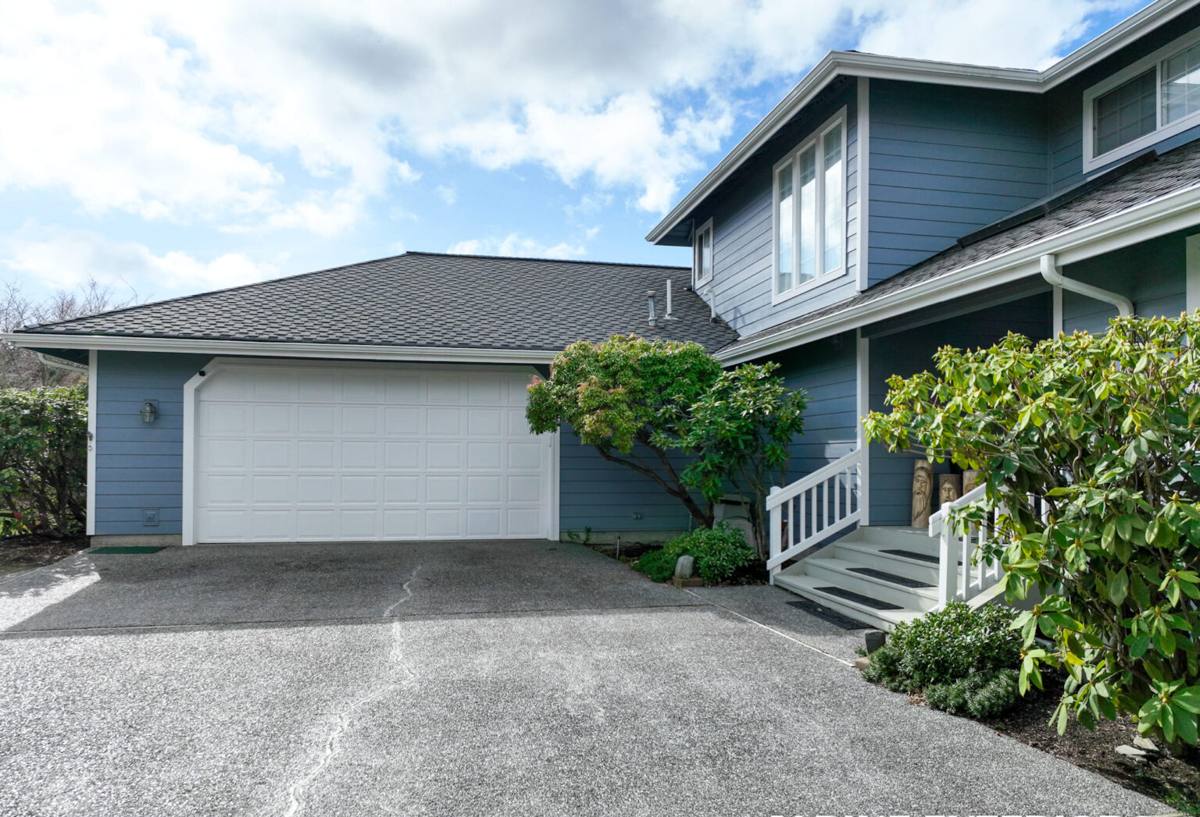
What Salt Air, Rain, and Moss Actually Do to a Deck
It helps to understand the specific ways coastal exposure wears down a deck, because it explains why certain shortcuts show up as problems within a few years instead of decades.
Salt Air
Airborne salt is corrosive to metal. Fasteners, joist hangers, and railing hardware that would last for decades inland can start rusting and staining within a few seasons on a property exposed to onshore wind. Once a fastener starts to corrode, it loses holding strength — and on a structure that people walk on, that's not just cosmetic.
Driving Rain
Storms coming off the water don't just fall straight down — they drive rain horizontally into vertical surfaces, under railings, and into end grain that isn't normally exposed to standing water. End grain absorbs moisture far faster than a flat board face, which is why fascia boards, stair stringers, and railing post tops are often the first places rot shows up.
Moss and Prolonged Dampness
Whatcom County's long wet season means a deck surface can stay damp for days at a time, especially in shaded or north-facing areas. That dampness is exactly what moss and algae need to establish. Once moss takes hold on decking, it holds moisture against the board surface, accelerates wood decay underneath it, and turns walking surfaces slick — a real slip hazard on stairs and ramps.
Choosing Materials That Actually Hold Up Here
There's no single "best" decking material for every situation — it depends on budget, maintenance appetite, and how exposed the site is. What we won't do is recommend a material or install method that looks fine at handoff but creates a maintenance headache or a rot problem within a few years in this climate.
| Material | Moisture & Salt Behavior | Maintenance | General Lifespan |
|---|---|---|---|
| Capped composite decking | Doesn't absorb water like wood; resists salt staining well | Periodic washing to prevent surface moss; no staining or sealing | 25+ years with proper installation |
| Cedar | Naturally rot-resistant but still needs sealing to shed driving rain | Regular cleaning and re-sealing/staining, especially on exposed faces | 15–20 years with upkeep |
| Pressure-treated fir/hem-fir | Treatment protects against decay but cut ends and hardware points need extra sealant | Sealing on a regular cycle; more prone to moss buildup if shaded | 15–20 years with upkeep |
| Tropical hardwoods (e.g., ipe) | Very dense and naturally water-resistant | Occasional oiling to maintain color; low decay risk | 25+ years |
For a shaded or heavily wind-exposed Birch Point lot, we'll usually walk homeowners toward composite or a dense hardwood specifically because they tolerate prolonged dampness better and don't need a repeat sealing schedule to stay protected. Cedar and pressure-treated framing still have a place — particularly for substructure — but we're upfront that they come with an ongoing maintenance commitment in this climate, not a one-and-done finish.
Framing and Fasteners: Where Coastal Decks Actually Fail
The decking surface is what homeowners see, but the framing and fasteners underneath are what determine whether a deck is safe in fifteen years. This is the part of the build where cutting corners doesn't show up right away — it shows up as a soft joist or a rusted-through hanger down the road.
- Stainless steel or high-grade coated fasteners rated for coastal/ACQ-treated lumber use, not standard interior-grade screws
- Hot-dip galvanized or stainless joist hangers and structural connectors, sized and nailed per manufacturer spec
- Joist tape or flashing over the top of every joist to keep water out of end grain and screw penetrations
- Proper board spacing to let water shed and air circulate underneath, reducing the damp conditions moss needs
- Post bases that keep wood posts off standing water, not buried or set directly against grade
We treat these details as non-negotiable on Birch Point projects, not upgrades. A deck built with mismatched hardware — galvanized fasteners on treated lumber, or standard screws near the water — is one of the most common causes of premature failure we see when we're called out to look at an older deck that's starting to fail.
Railings, Stairs, and Code Requirements
Any deck built to code in Blaine needs to meet guard height, baluster spacing, and stair rise/run requirements that exist for basic safety — a graspable handrail, guards on any walking surface more than a modest height off grade, and openings small enough that a child can't pass through. Beyond code minimums, coastal exposure changes how we detail railings specifically: post attachment points are a common water entry point, so we pay close attention to how posts are flashed and fastened rather than just bolted through with no protection against moisture tracking down into the framing.
Permits for new decks and significant deck rebuilds go through the City of Blaine. Waterfront and near-waterfront lots can also carry additional review depending on setback and shoreline considerations, which is worth checking early rather than after a design is finalized.
Drainage and Ledger Attachment: Protecting the House Itself
A deck attached to the house is only as good as the connection at the ledger board — and it's one of the most common failure points on any deck, coastal or not. Done wrong, it lets water track behind siding and into wall framing, which turns a deck problem into a house problem.
On every ledger-attached deck we build, that connection gets proper flashing designed to shed water away from the house, correct lag bolt or through-bolt spacing rated for the structure's load, and a gap or flashing detail that keeps water from sitting against the siding. We also grade and detail the deck surface and any adjacent hardscape so water moving off the deck drains away from the foundation rather than pooling against it — a bigger deal on Birch Point lots that already see more rainfall runoff than average.
Our Process for Birch Point Deck Projects
Every property here is a little different depending on how exposed it is to wind and rain off the water, so we don't start with a standard package — we start with a look at the site.
- Site visit: we assess sun/shade exposure, wind direction, drainage patterns, and the condition of any existing structure being replaced
- Design and material selection: we walk through decking, framing, and hardware options with honest trade-offs on cost, maintenance, and longevity for that specific lot
- Permitting: we handle the City of Blaine permit process and any structural requirements that come with it
- Construction: proper footings, coastal-rated fasteners and connectors, flashed ledger attachment, and correct board spacing throughout
- Final walkthrough: we go over the finished deck and what maintenance it needs going forward, so there are no surprises
What Birch Point Decks Need Year to Year
Even a well-built deck needs some regular attention in this climate — the difference is that a properly built one needs maintenance, not repair.
- Wash the deck surface at least once or twice a year to clear moss, algae, and organic debris before it builds up
- Check railing posts and stair connections for looseness, which can signal water intrusion at the fastener points
- Inspect for rust staining around hardware — an early sign it's time to address a fastener before it fails structurally
- Keep gutters and downspouts near the deck clear so runoff isn't dumping extra water onto the structure
- Re-seal or re-stain wood decking and framing on the manufacturer's recommended cycle, not just when it looks faded
- Trim back vegetation that shades the deck surface and slows drying after rain
Why It Matters to Hire a Crew That Already Works Birch Point
Building a deck that holds up on the water is a different job than building one a few miles inland, even within the same county. A crew that already works Birch Point knows how much wind and salt exposure to plan for based on a lot's orientation, understands the City of Blaine's permitting process, and has already seen which hardware and material choices hold up here versus which ones look fine on day one and fail early. That local experience shows up in the details — flashing, fastener grade, drainage — that don't get noticed until they're missing.
If you're planning a new deck or need to replace one that's showing its age, we're happy to take a look and put together a straightforward, no-pressure estimate built around your specific property. Use the form below to get started.