 Blaine Roofing
 Asphalt Shingle Roofing Built for Lynden's Climate
Lynden sits inland from the water, but it doesn't escape what Whatcom County's weather does to a roof. The same marine-influenced air that rolls in off the Salish Sea still reaches this far, bringing long stretches of damp, overcast weather, wind-driven rain that gets pushed sideways under poorly sealed shingles, and a moss season that can run from fall through spring. Add in the mature trees and shaded lots common on many Lynden properties, and you get roofs that stay wet longer after every storm than they would in a drier climate. Asphalt shingles are a smart, cost-effective choice for this area, but only when they're specified and installed with these conditions in mind. A shingle roof that would hold up fine in a dry inland climate can fail early here if the underlayment, ventilation, and flashing details aren't right.
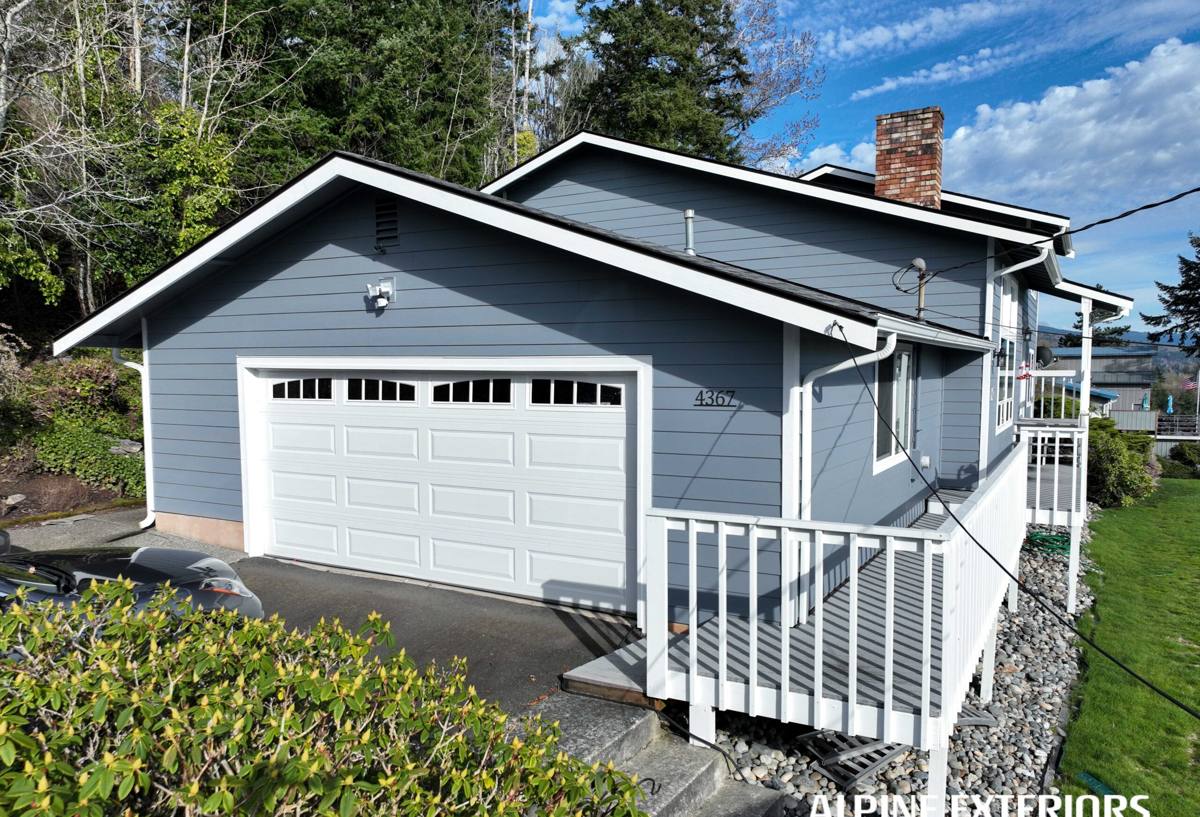
What Lynden Homes Actually Need From a Shingle Roof
The biggest threats to a shingle roof in this part of Whatcom County aren't dramatic. They're slow and cumulative: moisture that sits in valleys and behind chimneys, moss that lifts shingle edges and holds water against the deck, and wind that finds any nail that wasn't seated correctly. A roof built for Lynden needs to manage water aggressively, resist moss and algae growth, and be sealed tightly enough that repeated freeze-thaw cycles and wind gusts don't work fasteners loose over time.
Water Management Comes First
Shingles are the visible layer, but the underlayment and flashing beneath them do most of the real work keeping water out. In a climate that sees frequent rain rather than occasional downpours, every valley, chimney, skylight curb, and wall intersection is a place where water has repeated chances to find a weakness. We treat these details as the most important part of the job, not an afterthought once the shingles are down.
Ventilation Matters as Much as the Shingles Themselves
A roof deck that can't breathe traps moisture from inside the home against the underside of the shingles, which shortens the life of the roof from below while the surface still looks fine. Balanced intake and exhaust ventilation keeps the attic dry, helps shingles cure and perform the way the manufacturer intended, and reduces the condensation issues that show up as dark staining or premature deck rot in older homes.
Comparing Shingle Options for Local Conditions
Not every asphalt shingle is built the same way, and the right choice depends on your roof's exposure, slope, and how much maintenance you want to take on. Here's how the common options stack up for a Lynden home:
| Shingle Type | Typical Lifespan | Best For | Trade-Offs |
|---|---|---|---|
| 3-Tab Asphalt | 15-20 years | Budget-conscious projects, simple roof lines | Lower wind resistance, less algae/moss resistance without upgraded granules |
| Architectural (Laminate) | 25-30 years | Most Lynden homes; better wind and impact performance | Higher material cost than 3-tab, still needs moss-resistant granules in shaded areas |
| Algae-Resistant Architectural | 25-30 years | Heavily shaded lots, north-facing slopes, tree-covered properties | Slight cost premium; resistance fades gradually over the life of the roof |
| Impact-Resistant (Class 4) | 25-30+ years | Homes wanting extra durability against wind-driven debris | Higher upfront cost, may qualify for insurance discounts |
For most Lynden properties we recommend an architectural shingle with algae-resistant granules as the baseline, especially on roofs with significant tree cover or north- and east-facing slopes that stay shaded and damp longer after rain.
Moss, Algae, and Debris: The Maintenance Reality
Moss doesn't just look bad. It holds moisture against the shingle surface and roof deck, and as it grows it can physically lift shingle tabs, breaking the seal that keeps wind-driven rain out. On tree-covered lots, which describes a good number of Lynden properties, needles and leaf debris collect in valleys and behind chimneys even faster than moss takes hold, creating small dams that back water up under the shingles above them.
None of this means asphalt shingles are a bad fit for this area. It means the roof needs to be designed to shed water and resist growth from day one, and it needs occasional attention afterward. A roof that's installed correctly with the right granule treatment and proper flashing will need far less intervention than one that wasn't, but no shingle roof in this climate is entirely maintenance-free.
What Regular Maintenance Actually Looks Like
For most homes this means clearing debris from valleys and gutters once or twice a year, keeping an eye on moss growth along shaded ridgelines, and having any soft spots, granule loss, or lifted shingles checked before they turn into a leak. It's a modest amount of upkeep in exchange for a roof that performs the way it's supposed to for its full expected life.
Our Process From Estimate to Cleanup
We keep the process straightforward because a re-roof is disruptive enough without added confusion. Every job follows the same basic structure, adjusted for your roof's specific condition.
1. Inspection and Honest Assessment
We start on the roof, not just from the ground. We check the deck for soft spots, evaluate existing flashing and ventilation, and look at how water has been moving across the roof historically. If a repair genuinely makes more sense than a full replacement, we'll tell you that.
2. A Written Estimate You Can Actually Read
You'll know what shingle, underlayment, and flashing materials are being used, what the ventilation plan is, and what the timeline looks like, before any work starts.
3. Tear-Off and Deck Inspection
Old material comes off down to the deck so we can see what's really there. Any damaged sheathing is identified and addressed before new underlayment goes down, not covered up.
4. Installation to Manufacturer and Code Standards
Ice and water shield in vulnerable areas, properly lapped synthetic underlayment, correct nailing patterns, and new flashing at every penetration and wall intersection. This is where most of a roof's long-term performance is actually decided.
5. Final Walkthrough and Cleanup
We walk the finished roof, check ventilation and flashing details, and do a magnetic sweep of the property for stray nails before we consider the job done.
Repair or Replace? How to Think About It
Not every roofing problem calls for a full replacement, and we'd rather tell you that upfront than sell you more than you need. The right call usually comes down to a few factors:
| Factor | Leans Toward Repair | Leans Toward Replacement |
|---|---|---|
| Roof age | Under 12-15 years | Approaching or past expected lifespan |
| Extent of damage | Isolated to one area or penetration | Widespread granule loss, multiple leak points |
| Deck condition | Solid, no soft spots found | Rot or soft sheathing discovered during inspection |
| Moss/algae history | Minor, manageable with cleaning | Recurring growth lifting shingles across the roof |
| Underlayment/flashing | Still intact and properly installed | Missing ice and water shield, outdated or failing flashing |
If your roof is younger and the issue is localized, a targeted repair is often the honest recommendation. If the deck is compromised or the roof is already near the end of its expected life, patching a symptom usually just delays a bigger expense.
Signs Your Lynden Roof Needs Attention
Most roof problems give some warning before they become an active leak. Worth checking for:
- Moss buildup along ridges, valleys, or shaded slopes
- Granules collecting in gutters or downspouts
- Shingles that look curled, cupped, or are missing tabs
- Dark streaking or staining on the shingle surface
- Soft or spongy spots when walking the attic decking
- Daylight visible through the roof deck from inside the attic
- Water stains on interior ceilings, especially near chimneys or skylights
- Sagging in the roofline when viewed from the street
Catching these early is almost always cheaper than waiting for an active leak, since water damage to decking, insulation, and interior finishes adds cost fast once it starts.
Why Hiring a Crew That Already Works in Lynden Matters
A roofer who works this part of Whatcom County regularly already knows how this climate behaves on a roof over time: which slopes hold moss longest, how much ventilation a typical attic here actually needs, and what underlayment and flashing choices hold up to repeated wet-dry cycles rather than a single storm. That local pattern recognition matters more than it might seem. It means fewer surprises during the inspection, more accurate estimates, and a roof that's built for how this area actually wears roofs down, not a generic install spec.
It also means straightforward logistics: material delivery, permitting, and scheduling don't involve guesswork about a market we don't already understand. When you're comparing contractors, ask directly how much work they've done in Lynden and the surrounding area, and ask them to explain their approach to ventilation and moisture management specifically. A crew that's paid attention to this climate will have a real answer, not a generic one.
Materials and Warranty Standards We Stand Behind
We install architectural asphalt shingles from established, code-recognized manufacturers, matched to your roof's exposure and budget rather than a one-size-fits-all default. Manufacturer warranties cover material defects, and we back our own installation work separately, because a warranty is only as good as the workmanship underneath it. Before we start, you'll know exactly what's covered, for how long, and what routine maintenance is expected of you to keep that coverage valid.
If your Lynden home is due for a shingle roof inspection, repair, or full replacement, we're happy to take a look and give you a straightforward, no-pressure estimate. There's no obligation, just an honest read on where your roof stands and what it actually needs. Use the form below to get started.