 Blaine Roofing
 Why Roofs Wear Out Faster in Grandview
Grandview homes sit close enough to the water and open farmland around Blaine that roofs here take a different kind of beating than roofs twenty miles inland. Salt-laden air off the Strait and Semiahmoo Bay works on exposed metal year-round — nail heads, flashing edges, vent caps, and gutter hardware corrode faster than they would in a drier, inland part of Whatcom County. Add driving rain that comes in sideways during winter storms, and you've got water finding every weak seam, lap, and fastener a roof has.
Then there's moss. Blaine's moss season isn't a few weeks — it's most of the fall, winter, and spring, especially on north-facing slopes and roof sections shaded by mature trees or neighboring structures. Moss holds moisture against the shingle surface long after the rain stops, which accelerates granule loss, softens the mat underneath, and eventually works its way under laps and around flashing. A roof that would last 25 years in a dry climate often shows real wear well before that out here if it wasn't built and maintained for these conditions.
None of this means Grandview homes need exotic materials or constant babysitting. It means the replacement has to be done correctly the first time — right underlayment, right flashing details, right ventilation — so the roof is actually working with the climate instead of fighting it for the next two decades.
Warning Signs It's Time to Replace, Not Repair
Most roofs give warning before they fail outright. The trick is catching those signs early enough that replacement is a planned project instead of an emergency after a storm.
- Granules collecting in gutters or at downspout outlets, especially after heavy rain
- Shingles that look cupped, curled at the edges, or cracked
- Moss or algae streaking that keeps coming back within a season or two of cleaning
- Soft or spongy spots when walking the roof, or sagging visible from the ground
- Daylight visible through the attic roof deck, or damp insulation after storms
- Flashing around chimneys, skylights, or vent pipes that's rusted, lifted, or gapped
- A roof that's approaching or past 20 years old with no major work done to it
- Rising energy bills that track with attic temperature swings, hinting at failed ventilation
One or two of these on their own might mean a repair is enough. Several together, or any sign of active water intrusion, usually means it's time to talk about full replacement before a bigger storm turns a maintenance item into water damage inside the house.
What a Correct Roof Replacement Actually Involves
Tear-Off and Deck Inspection
A proper replacement starts with a full tear-off down to the roof deck, not a layover on top of old shingles. This is the only way to actually see the plywood or OSB underneath and catch rot, soft spots, or delamination caused by long-term moisture — problems that are common on homes that have gone through a lot of Whatcom County winters. Any damaged decking gets replaced before anything new goes down; skipping this step is one of the most common shortcuts that leads to a roof failing early.
Underlayment and Water Barrier
Underlayment is the roof's real waterproofing layer — shingles shed most of the water, but underlayment is what stops the rest. In a climate with this much driving rain, we pay particular attention to synthetic underlayment quality and to self-adhered ice-and-water barrier in vulnerable spots: eaves, valleys, and around penetrations, where wind-driven rain is most likely to work its way backward under the shingle courses.
Flashing Details
Flashing is where most roof leaks actually start, not in the open field of shingles. Chimneys, skylights, sidewalls, and vent pipes all need flashing that's properly lapped, sealed, and tied into the underlayment correctly. Salt air speeds up corrosion on cheaper or improperly installed flashing, so material choice and installation care matter more here than in drier regions.
Ventilation
Balanced intake and exhaust ventilation keeps the attic close to outdoor temperature and controls moisture buildup. Poor ventilation traps humid air against the underside of the deck, which speeds up rot and can void shingle warranties. It also affects how much ice and condensation risk the attic sees during cold snaps — a real factor in this part of Washington.
Choosing the Right Roofing Material for a Marine Climate
There's no single "best" material for every Grandview home — it depends on roof pitch, budget, architectural style, and how much long-term maintenance a homeowner wants to take on. Here's how the common options actually compare in a salt-air, high-moisture climate.
| Material | Typical Lifespan | How It Handles This Climate |
|---|---|---|
| Architectural (dimensional) asphalt shingles | 25–30 years | Good moss resistance with algae-resistant granules; straightforward repairs; the most common choice locally |
| 3-tab asphalt shingles | 15–20 years | Lower wind rating and thinner profile; wears faster under driving rain and moss pressure than architectural |
| Standing seam metal | 40–50+ years | Sheds moss and water very well; needs corrosion-resistant fasteners and coatings near salt air to avoid premature rusting |
| Synthetic/composite shingle or shake | 30–50 years | Mimics wood or slate look without absorbing moisture the way natural wood does; consistent performance in wet seasons |
| Cedar shake | 20–30 years with upkeep | Attractive but moisture-sensitive; needs regular treatment and moss removal to avoid rot in this climate — a real maintenance commitment |
We're upfront when a homeowner asks about cedar: it can look great, but the ongoing maintenance burden and moisture sensitivity in a climate this wet is a real trade-off, not a knock on the material itself. For most Grandview homes, architectural asphalt or metal ends up being the better long-term value, and we'll walk through the honest pros and cons for your specific roof rather than push one product.
Our Grandview Roof Replacement Process
1. Inspection and Estimate
We start with a full roof inspection — deck condition, flashing, ventilation, and any interior signs of moisture — and give a written estimate that spells out materials, scope, and timeline. No pressure, no gimmick pricing.
2. Material Selection
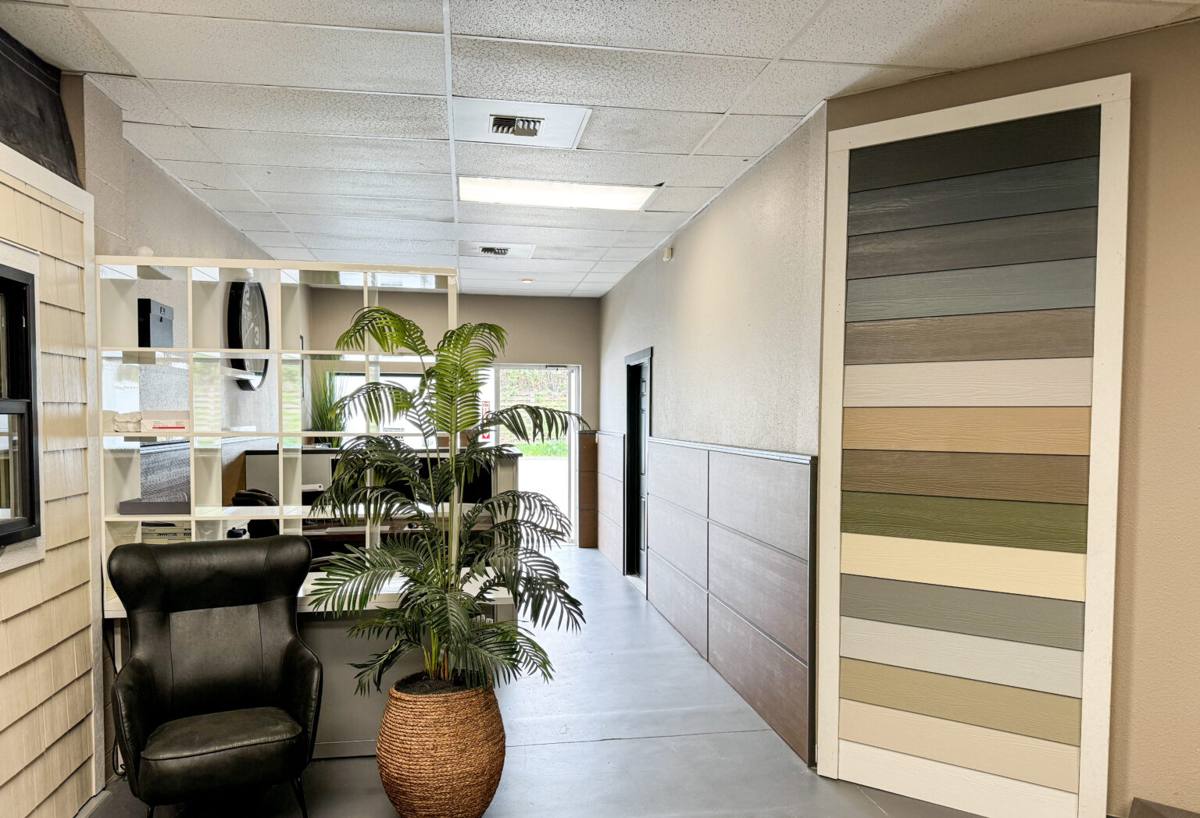
We go over material options based on your roof's pitch, your home's style, and your budget, with honest notes on what performs well specifically in Grandview's climate versus what looks good on paper.
3. Tear-Off and Installation
Full tear-off, deck repair as needed, underlayment, flashing, and shingle or metal installation, done to manufacturer specifications so warranties stay intact. We schedule around weather where we can — driving rain during an open tear-off is the enemy of a good install.
4. Cleanup and Walkthrough
Magnetic sweep for nails, full debris cleanup, and a walkthrough so you understand what was done and what to expect from the new roof going forward, including basic moss-prevention maintenance.
Ventilation and Moisture: The Part Homeowners Don't See
A new roof can still underperform if the attic underneath isn't breathing correctly. In a marine climate like Whatcom County's, trapped humid air is a slow, steady cause of deck rot, insulation damage, and premature shingle aging — and it's completely invisible from the ground. Part of a correct replacement is checking that intake vents (soffit or low-roof) and exhaust vents (ridge or high-roof) are balanced for your attic's size, and correcting any gaps left by a previous, incomplete roofing job. This is one of the details that separates a roof that lasts its full rated lifespan from one that needs premature repair.
Why Hiring a Crew That Already Works in Grandview Matters
A roofer who works Blaine and the surrounding Whatcom County area regularly already knows which details matter here: how far to run ice-and-water barrier given local rain patterns, which fastener and flashing grades hold up against salt air, and how aggressively to plan for moss given how long the wet season actually runs. That's different knowledge than a crew that mostly works drier, inland climates and treats every roof the same way. It also means faster response if a problem shows up after installation — no long drive, no unfamiliar crew relearning your roof from scratch.
What Affects the Cost of Your Roof Replacement
Every roof is priced individually, but the factors that move the number are consistent:
- Total roof square footage and the number of facets, valleys, and hips
- Roof pitch and accessibility — steep or hard-to-reach roofs take longer and need more safety setup
- Current layer count and whether deck repair is needed after tear-off
- Material choice, from standard architectural asphalt up through metal or composite
- Ventilation and flashing work needed to bring an older roof system up to current standards
- Permit requirements and any code-driven upgrades for the area
We give a real, itemized estimate after inspecting your specific roof rather than a ballpark over the phone — pitch and access alone can swing a project significantly, and we'd rather you have accurate numbers than a guess that changes later.
If your Grandview roof is showing its age, or you just want an honest read on how much life it has left, we're happy to take a look. The estimate is free, there's no pressure to sign anything on the spot, and you'll walk away with a clear picture of your options — just fill out the form below to get started.