 Blaine Roofing
 New-Construction Windows Built for Ferndale's Coastal Climate
Ferndale sits close enough to the Strait of Georgia and Puget Sound that new homes here take on a different kind of weather load than houses further inland in Whatcom County. Salt-laden air moves in off the water, rain arrives sideways more often than it falls straight down, and the region's long, damp moss season means a building envelope rarely gets a real chance to dry out for months at a time. For a new-construction window install, that combination changes what "correct" actually means. It's not just about setting a window plumb and level — it's about how the opening is flashed, what hardware is used, and how well the assembly sheds water before siding ever goes up.
New construction gives us an advantage replacement work doesn't: full access to the rough opening, the sheathing, and the weather-resistive barrier before anything is closed in. Done right, that's the best chance a window will ever get to perform for the next few decades. Done wrong, it's the hardest place to trace a leak once walls are finished.
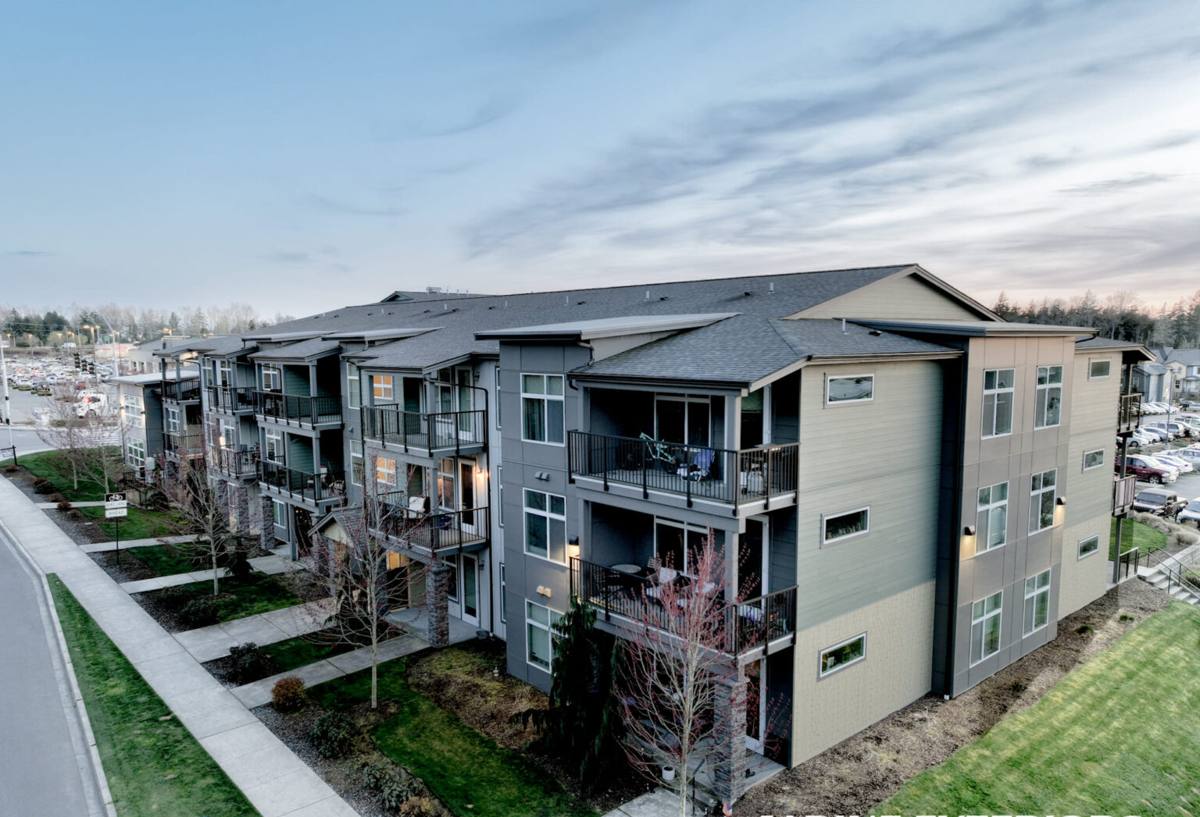
What Whatcom County Weather Does to a Window Opening
Salt Air and Hardware Corrosion
Homes in and around Blaine and Ferndale sit inside a marine air corridor. Ordinary fasteners, cheap flashing tape, and mill-finish hardware corrode faster here than they would forty miles inland. We spec corrosion-resistant fasteners and flashing components for new builds in this area as a standard, not an upsell — replacing corroded hardware behind finished siding a decade from now costs far more than doing it right at framing stage.
Driving, Wind-Driven Rain
Storms off the water don't just drop rain — they push it horizontally into any gap in an opening. A window that would stay dry in a calmer climate can leak here if the sill pan, flashing laps, and sealant joints aren't sequenced correctly. This is the single biggest reason new-construction flashing detail matters more in Whatcom County than in drier parts of the state.
A Long Moss and Damp Season
Whatcom County's moss season isn't just a roof problem. Extended dampness keeps sealant joints, sills, and any organic debris in a window track wetter for longer stretches of the year. Materials and details that are "fine" in a six-week rainy season get tested hard over a six-month one. That's part of why we don't cut corners on drainage paths at sills, even on interior-facing windows that seem lower-risk.
New-Construction vs. Replacement Window Installation
These are two different jobs with different tools, sequencing, and margin for error. Knowing which one applies to your project matters when you're getting quotes.
| Factor | New Construction | Replacement |
|---|---|---|
| Frame type | Nailing-fin frame, fastened to sheathing | Block/insert frame, fits into existing opening |
| Access to structure | Full access to studs, sheathing, and WRB | Limited — existing siding and trim stay in place |
| Flashing control | Built from scratch, fully inspectable before siding | Constrained by what's already there |
| Best used when | New homes, additions, full wall reframes | Existing homes with sound framing and siding |
| Long-term risk if done poorly | Hidden leaks behind finished siding | Hidden leaks behind finished siding |
Both approaches can perform well for decades — but new construction only gets it right once. There's no "open it back up and check" after the siding crew is done.
What a Correct New-Construction Window Install Involves
The window itself is often the least variable part of the job. What separates a good install from a problem waiting to happen is the sequence around it — the parts nobody sees again once the house is finished.
- Rough opening checked for square, level, and correct sizing before the window ever arrives on site
- Sill pan flashing installed to shed any water that gets past the window back to the exterior, not into the wall cavity
- Weather-resistive barrier integrated with the flashing in the correct shingle-lap order — house wrap over head flashing, under sill and jamb flashing
- Nailing fin fastened per manufacturer spacing, with corrosion-resistant fasteners appropriate for a marine air environment
- Backer rod and sealant at the interior air seal, separate from the exterior water management layer
- Head flashing with proper drip edge, positioned to direct wind-driven rain away from the opening
- Photos taken of flashing details before siding covers them, so there's a record if a question ever comes up later
Skip any one of these steps and the window can still look perfect from the curb. The failures that show up from a rushed install are usually slow ones — a soft spot in trim, a stain on interior drywall two winters later, once water has already been finding its way in for a while.
Picking the Right Window for a Ferndale New Build
There's no single "best" window material — there are trade-offs, and the right call depends on budget, exposure, and how the house is built. We'll walk through these honestly rather than push whatever has the best margin.
Frame Material
Vinyl frames are the most common choice for new construction — good value, low maintenance, and no repainting. Fiberglass and composite frames cost more but hold up well to temperature swings and generally have a longer service life with less flexing at the seals. Wood and wood-clad frames offer a specific look many buyers want, but they need more attention to keep water from reaching exposed wood, which is a real consideration in a climate that stays wet as long as this one does. We'll talk through what fits your build rather than defaulting to one option.
Glass and Coatings
Western Washington's marine climate is mild on temperature but heavy on cloud cover and moisture, so low-E coatings and argon-filled dual-pane glass are standard on most new builds here — they help with year-round comfort and condensation resistance more than they help with extreme heat, since we don't get much of that. U-factor (how well the window resists heat loss) matters more locally than solar heat gain coefficient, which is a bigger deal in sunnier climates.
Hardware and Weatherstripping
Given the salt air along this stretch of coastline, hardware finish and fastener grade matter more than they would forty miles inland. We look for corrosion-resistant hardware and weatherstripping rated to hold up under sustained damp exposure, not just a manufacturer's baseline spec.
Our New-Construction Window Process
On a new build, timing matters as much as workmanship — we're one piece of a larger construction schedule, and a delay on our end can hold up the framing or siding crew behind us.
- Plan review and takeoff — we work from the builder's plans or the framed openings to confirm sizes, swing directions, and egress requirements before ordering.
- Rough opening inspection — every opening gets checked for square and correct dimension before install day, catching framing issues while they're still cheap to fix.
- Flashing and install — sill pan, window, head flashing, and WRB integration done in sequence, with photos documented before the wall is closed up.
- Builder walkthrough — we review flashing and install details with the general contractor or homeowner before siding covers the work.
- Final trim and seal — once siding is on, we return to finish exterior trim and confirm every seal is tight.
Cost Factors for New-Construction Windows
| Factor | How It Affects Cost |
|---|---|
| Window count and size | Larger and more numerous openings increase material and labor |
| Frame material | Vinyl is typically the most budget-friendly; fiberglass and wood-clad cost more |
| Glass package | Low-E coatings, argon fill, and tempered glass (required near doors and low sills) add cost |
| Opening complexity | Custom shapes, bays, and large sliders take more flashing and install time |
| Site access and staging | Multi-story builds or tight lots can add labor time |
We'll always give a written, itemized quote before work starts — no vague allowances that turn into surprises once the order is placed.
Why a Crew That Already Works Ferndale Matters
A window install is only as good as the details nobody sees again. A crew that's worked new construction across Whatcom County has already seen how this specific stretch of coastline behaves — which wall orientations take the worst of the driving rain, how long the moss season really stresses sealant joints, and why hardware that's fine in a drier region isn't a safe bet here. That's not something you get from a spec sheet; it's something you get from doing the work locally, on homes exposed to the same salt air and weather patterns as yours. We also know how to work alongside a general contractor's schedule without becoming the bottleneck on a build.
If you're framing a new home or addition in Ferndale and want windows installed right the first time, we're happy to walk the plans with you and give a free, no-pressure estimate — just fill out the form below.