 Blaine Roofing
 Why Ferndale's Climate Is Hard on Windows
Ferndale sits in Whatcom County, close to Blaine and the water, and homes here deal with a genuinely tough mix of conditions for exterior building materials. Salt-laden air moves in off the water and slowly works on metal hardware and frame components. Driving rain — the kind that comes in sideways during a winter storm — tests every seal, flashing detail, and sash joint a window has. And the long, damp moss season that Whatcom County is known for keeps humidity high around the home for much of the year, which is exactly the environment that swells wood, breaks down old seals, and lets drafts creep in around frames that used to fit tight.
None of that means windows in Ferndale are doomed to fail early. It means the installation and the product need to be matched to those conditions on purpose, rather than treated like a generic swap-out job. That's the difference between windows that perform for decades and windows that start showing problems in five or six years.
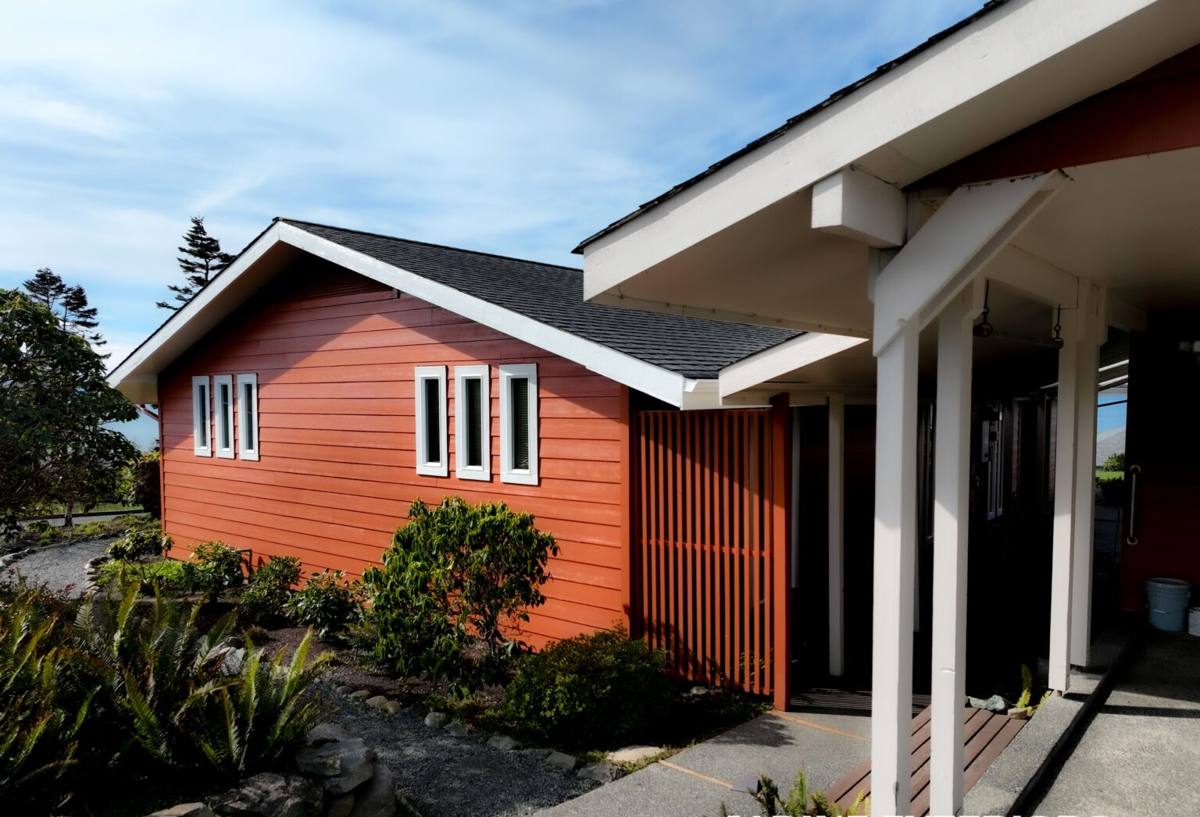
What "Energy-Efficient" Actually Means for This Climate
"Energy-efficient" gets used loosely in window marketing, but for a Whatcom County home it comes down to a handful of measurable properties, not just the number of panes of glass.
U-Factor
U-factor measures how well a window resists heat flow — lower is better. In a marine climate like ours, where the goal is mostly keeping heat inside during long stretches of cool, wet weather, a low U-factor window keeps your heating system from working overtime and reduces that cold-glass draft you feel sitting near an older window in January.
Solar Heat Gain Coefficient (SHGC)
SHGC measures how much solar heat passes through the glass. Ferndale doesn't get the intense sun load of drier inland climates, so this number matters less here than it would in, say, eastern Washington — but it still affects comfort on south- and west-facing walls during the brighter months.
Condensation Resistance
This is the one that matters most locally and gets talked about least. In a humid, marine climate, a window's ability to resist interior condensation determines whether you get a clear view or a fogged, dripping sash on cold mornings — and whether moisture ends up sitting in your sill and framing long-term.
Signs Your Ferndale Home's Windows Need Attention
Most homeowners don't think about their windows until something is obviously wrong. Here's what tends to show up first in this climate:
- Fogging or a hazy film between the panes of a double-pane window — the seal has failed and the gas fill is gone
- Noticeable drafts near the frame, especially during windy, wet storms
- Wood sashes or sills that stick, swell, or feel soft to the touch
- Visible condensation or water beading on the inside of the glass in cold weather
- Rising heating bills without a clear explanation
- Moss, algae, or dark staining building up on exterior trim and sills
- Hardware — locks, cranks, hinges — that's stiff, corroded, or no longer closes tight
Any one of these on its own isn't an emergency. Several of them together, especially on a home more than 15-20 years old, usually means it's worth having someone take a real look.
What a Correct Installation Involves in a Wet Climate
Anyone can set a window into an opening. Getting it to actually perform for the next twenty-plus years in a place that gets driving rain and salt air is a different job, and it comes down to details that don't show once the trim is back on.
A proper installation includes tying the window's flashing into the home's weather-resistive barrier correctly — overlapped in the right order, top to bottom — so any water that gets past the exterior finish is directed back out, not into the wall cavity. It means a sloped sill pan so water can't pool under the window. It means the unit is shimmed level, plumb, and square before it's fastened, because a racked frame stresses the seals and hardware from day one. And it means sealing with the right products in the right places — sealed on the exterior to block bulk water, but with a path for any incidental moisture to escape rather than get trapped inside the wall.
That last point matters more here than in drier climates. A window that's caulked airtight on every side, with no way for trapped moisture to dry out, can cause more rot damage over time than a slightly drafty one — especially with the humidity and rainfall Whatcom County sees for much of the year.
Window Types and Materials We Install
There's no single "best" window material for every home — it depends on the home's age, exposure, and your priorities. Here's how the common options generally compare for a salt-air, high-rainfall climate like Ferndale's.
| Material | Moisture / Salt-Air Behavior | Maintenance | General Cost Tier |
|---|---|---|---|
| Vinyl | Won't rot or corrode; performs well in salt air; can expand/contract with big temperature swings, less of a factor in our mild climate | Low — no painting, occasional cleaning | Lower to mid |
| Fiberglass | Very stable dimensionally, strong resistance to moisture and corrosion; holds up well long-term in coastal conditions | Low | Mid to higher |
| Wood-clad (wood interior, clad exterior) | Exterior cladding protects against weather; interior wood still needs to stay dry and sealed to avoid swelling | Moderate — interior finish maintenance | Higher |
| Aluminum | Prone to corrosion and pitting in salt air over time unless well-coated; conducts cold, which shows up as condensation | Moderate | Lower to mid |
Our standard for Ferndale installs leans toward vinyl and fiberglass options precisely because of how well they hold up against salt air and constant moisture without ongoing upkeep — that's a practical, maintenance-based call, not a knock on wood or aluminum windows done well elsewhere.
Our Process, Start to Finish
- Free on-site assessment. We look at your existing windows, framing condition, and exposure — a window on the weather side of the house facing prevailing storms often needs different treatment than one tucked under an eave.
- Product walkthrough. We go over material, glass package, and hardware options based on what that specific opening needs, not a one-size pitch.
- Scheduling and prep. We plan around weather where possible, since keeping the opening protected during removal matters in a climate that can turn wet quickly.
- Removal and inspection. Old windows come out, and we check the framing underneath for hidden moisture damage or soft wood before anything new goes in — this step gets skipped by rushed installers and it's where problems get buried instead of fixed.
- Installation. Proper flashing, sill pan, shimming, and sealing, as covered above.
- Cleanup and walkthrough. We clear debris and walk you through how the new windows operate and what maintenance, if any, to expect.
What Affects the Cost of a Window Project
We don't quote sight-unseen numbers because the honest answer depends on your home, but these are the factors that actually move the price:
| Factor | Why It Matters |
|---|---|
| Number and size of windows | More openings and larger glass areas mean more material and labor |
| Frame material | Vinyl is typically the most budget-friendly; fiberglass and wood-clad cost more upfront |
| Glass package | Low-E coatings, gas fills, and extra panes add cost but improve performance |
| Access and story height | Second-story or hard-to-reach windows take more time and equipment |
| Condition of existing framing | Any rot or moisture damage found during removal needs repair before the new window goes in |
For most Ferndale homes, per-window installed costs land somewhere in the range of several hundred to a couple thousand dollars each, depending on the factors above. A full-home replacement is a bigger investment, but it's also where the energy-efficiency gains are most noticeable on your heating bill.
Maintaining Energy-Efficient Windows in This Climate
New windows still need basic upkeep to get their full lifespan out of them, especially with the moss and moisture Whatcom County deals with much of the year.
- Rinse salt residue and grime off frames and glass a couple times a year, especially on sides exposed to weather
- Check and clear weep holes at the bottom of the frame so water can drain instead of pooling
- Wipe down tracks and hardware and apply a light lubricant to keep locks and cranks moving freely
- Inspect exterior caulking and trim annually for cracking or gaps where water could get behind the frame
- Keep gutters and nearby roof areas clear of moss and debris so runoff doesn't pour directly onto window heads
- Watch for early condensation between panes — it's the first sign a seal is starting to fail
Why a Crew That Already Works Ferndale Matters
A window installer who mostly works drier, inland climates can put in a technically fine window and still miss the details that matter here — the flashing sequence for driving rain, the material choice that shrugs off salt air, or the early signs of moisture damage hiding under old trim. Because we work on exteriors throughout Blaine and Whatcom County, including roofs, we're used to reading how moisture moves through a home in this specific climate, and we bring that same attention to window work.
We're also familiar with what local permitting and inspection expects for window replacement, so there are no surprises mid-project. And because we're a phone call away rather than a company passing through, if a question comes up after installation, someone local answers it.
If your Ferndale home has windows that are drafty, fogged, hard to operate, or just old enough that you're wondering, we're glad to take a look. Reach out for a free, no-pressure estimate — we'll walk the home with you, point out what we actually see, and give you straight options with no obligation.