 Blaine Roofing
 Board & Batten Siding for Ferndale Homes
Ferndale sits close enough to Blaine and the Salish Sea coastline that its homes deal with the same weather punishment: salt-laden air blowing in off the water, driving rain that comes in sideways more often than straight down, and long stretches of grey, damp months where moss and algae get a head start on any surface that holds moisture. Board and batten siding has become a popular choice for homeowners in this part of Whatcom County who want the clean, vertical-line look on a farmhouse remodel, a new build, or an accent wall — but the profile itself creates seams, laps, and shadow lines that either shed water cleanly for decades or become the first place a house starts failing, depending entirely on the material and the install.
We're a Blaine-based crew that works Ferndale regularly, and this page is about that one combination: board and batten siding, installed correctly, on homes that have to survive this specific climate.
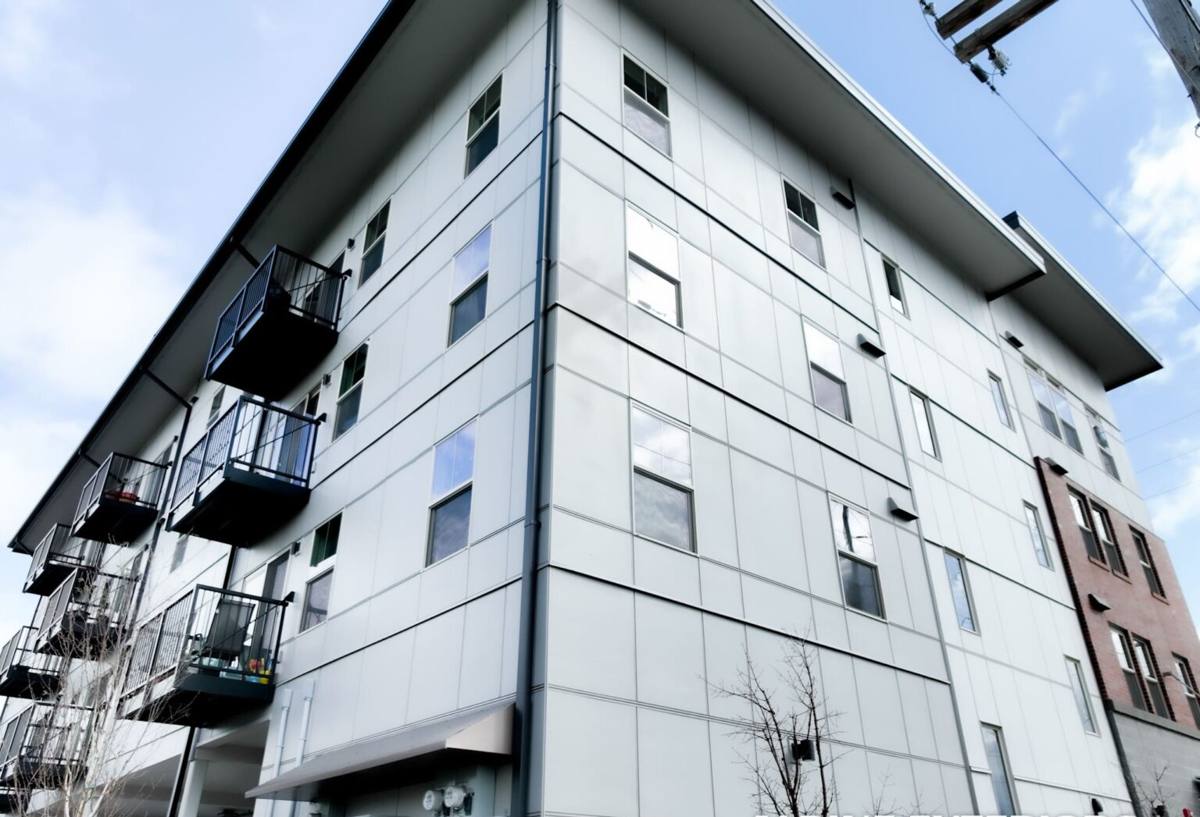
What Board & Batten Siding Actually Is
Board and batten is a vertical siding pattern: wide flat boards (or panels) installed with a narrow strip — the batten — covering each seam between them. It's one of the oldest siding profiles in North America, originally a practical way to cover gaps between rough-sawn boards on barns and early houses. Today it's chosen mostly for its look: strong vertical lines, deep shadow relief, and a farmhouse or modern-craftsman character that horizontal lap siding doesn't give you.
Why the Profile Matters More Than the Look
Every seam and every batten fastener point is a potential water entry point. On a horizontal lap siding job, water runs down and off. On board and batten, water can run down a batten, catch under a poorly flashed joint, or sit against a fastener that wasn't set correctly — and Ferndale's rain volume and wind-driven angle give it more opportunities to find those weak points than a drier inland climate would. The look is the reason homeowners choose this profile. The installation detail is the reason it lasts or doesn't.
Why Ferndale's Climate Is Harder on This Profile Specifically
Three separate stresses stack up here, and board and batten siding is more exposed to all three than flatter profiles:
- Salt air: proximity to the coast means airborne salt settles on siding and fasteners. Over years, it accelerates corrosion on the wrong fastener type and breaks down finishes that weren't engineered for a marine-influenced climate.
- Driving rain: wind-driven rain hits vertical seams and battens at an angle, not straight on, which is exactly the condition lap siding and rainscreen details are built to handle — and exactly the condition a poorly detailed board and batten job fails under first.
- A long moss season: extended damp, low-sun months mean anything that stays wet, stays wet longer. Battens with no drainage path behind them, or boards installed tight against sheathing with no air gap, hold moisture right where moss and algae take hold.
None of that means board and batten is a bad choice for a Ferndale home. It means the material and the installation details have to be right for this climate, not just for the look on a sunny day.
Why Material Choice Decides How This Ages
We install James Hardie fiber cement exclusively — we don't install LP SmartSide, vinyl, Cemplank, Allura, primed spruce, or cedar board and batten. That's a deliberate standard, not a sales pitch, and it matters more on this profile than almost any other siding decision a homeowner in this area will make.
The Trade-Offs We Weigh
| Material | How It Holds Up Long-Term in This Climate | Main Trade-Off |
|---|---|---|
| Cedar board and batten | Handsome when new; absorbs moisture, checks and cups as it weathers, needs ongoing sealing/staining to resist rot and moss growth in a wet, salt-air climate | Recurring maintenance cost and labor over the life of the siding |
| Vinyl board and batten | Low maintenance but flexes and can warp with temperature swings; seams and battens are snap-fit, not sealed, giving water a path if wind-driven rain gets behind panels | Not a rigid, moisture-managed system — appearance and performance depend on installer shortcuts |
| Engineered wood (LP SmartSide) | Wood-based core is vulnerable if the factory edge seal or field-cut edges aren't fully treated; edge swelling is the common failure point in wet climates | Installation sensitivity — a missed detail at a cut edge becomes a moisture entry point |
| James Hardie fiber cement | Non-combustible, dimensionally stable, engineered specifically for wet, moderate coastal climates (HZ5/HZ10 product lines), factory ColorPlus finish resists fading and moisture intrusion | Higher upfront material cost; still requires correct installation to perform to spec |
Every one of those products has a legitimate use case somewhere. Our position is narrower: for board and batten siding on homes exposed to Whatcom County's rain and salt air, we don't think the maintenance burden or moisture risk of the alternatives is worth it, and we won't put our name on an install we don't believe will hold up.
How We Build a James Hardie Board & Batten System
James Hardie doesn't make a single "board and batten panel" — we build the look using their engineered components, assembled to their installation spec rather than improvised:
The Components
- HardiePanel vertical siding — a smooth or stucco-textured fiber cement panel that forms the flat field
- HardieTrim battens — fiber cement trim boards installed over the panel seams to create the batten lines
- ColorPlus factory finish — baked-on color that resists fading and doesn't need field painting for years, applied to both panels and battens so the color match holds
- Engineered fasteners and flashing — corrosion-resistant fasteners rated for coastal exposure, plus Z-flashing and proper drip caps at every horizontal transition
The Detail Work That Actually Determines Longevity
The panel and batten products are only half the system. What separates a board and batten job that lasts thirty years from one that fails at ten is the installation detail underneath:
- A drainage plane and rainscreen gap behind the siding so any water that does get past the surface has somewhere to go, instead of sitting against the wall sheathing
- Correct fastener placement and spacing per Hardie's published fastening schedule — not "close enough," since board and batten puts fasteners in more exposed positions than lap siding
- Flashing at every window, door, and horizontal trim intersection, lapped the right direction so water sheds outward rather than behind the siding
- Proper gaps and sealant at panel butt joints, sized and treated per manufacturer spec rather than caulked shut and hoped for
- Batten fastening that doesn't just nail through the panel seam into thin air, but lands on framing or backing that can actually hold it over time
Our Process for a Ferndale Board & Batten Job
The work is the same whether the house is in Ferndale, Blaine, or elsewhere in Whatcom County — but we plan around the specific exposure of each site.
What We Look At Before We Quote
- Wall orientation and wind exposure — which sides take the worst of the driving rain and salt air, since those often get extra attention on flashing and joint sealing
- Existing moisture damage behind current siding, especially around windows, at the base of walls, and anywhere moss or algae staining shows on the exterior now
- Sheathing and framing condition, since board and batten fastening needs solid backing at every batten line, not just at stud spacing
- Drainage plane and rainscreen needs based on the wall assembly already in place
What We Do During Install
- Remove old siding and inspect/repair sheathing before anything new goes up
- Install weather-resistive barrier and rainscreen furring per manufacturer spec
- Set HardiePanel courses plumb and true, with correct gapping at every joint
- Install HardieTrim battens over seams with proper fastening into backing
- Flash and seal every penetration, window, door, and horizontal trim transition
- Final inspection walk-through before we call the job done
What This Runs — And What Actually Drives the Cost
| Cost Factor | Why It Moves the Price |
|---|---|
| Home size and wall complexity | More corners, gables, and dormers mean more batten lines, more cuts, and more flashing detail work |
| Condition of existing sheathing | Rot or moisture damage found during tear-off requires repair before new siding goes on — this is common on older Whatcom County homes |
| Rainscreen/drainage plane scope | Adding a full rainscreen system where one doesn't exist is worth the cost in this climate but adds material and labor |
| Panel vs. trim ratio | Board and batten uses more linear trim than standard lap siding, and HardieTrim battens are priced and labored differently than field panel |
| Color and finish selection | Factory ColorPlus finish costs more than primed material but eliminates a repaint cycle for years |
We don't quote off square footage alone — wall complexity and existing wall condition move the number more than the siding material itself does.
Why Hiring a Crew That Already Works Ferndale Matters
Board and batten siding isn't a profile you want a crew learning on your house. The fastening schedule, flashing sequence, and rainscreen detailing all differ from standard lap siding, and skipping steps doesn't show up as a problem until a wet season or two later — usually as staining, soft spots, or moss taking hold around a seam that wasn't sealed right the first time.
Working Ferndale and Blaine regularly means we already know how this specific stretch of Whatcom County weather behaves against a wall — which elevations take the worst wind-driven rain, how much salt exposure to plan for, and how long the moss season really runs here. That's not something a crew based hours away, without local job history, brings to the estimate.
Questions Worth Asking Before You Hire
- Will you install a rainscreen/drainage gap behind the siding, or panel direct-to-sheathing?
- What fastener type and spacing schedule will you follow, and is it rated for coastal/salt-air exposure?
- How will seams, battens, and window/door intersections be flashed?
- What happens if you find sheathing damage during tear-off — is repair included or a change order?
- Is the finish factory-applied (like ColorPlus) or field-painted, and what does that mean for the warranty?
If you're weighing board and batten siding for a Ferndale home, we're glad to walk the property, look at what's there now, and give you a straight, no-pressure estimate — there's a form below to get that started.