 Blaine Roofing
 Why Windows in Everson Take More of a Beating Than People Expect
Everson sits inland from the water, but that doesn't mean the home is spared from what Whatcom County weather does to a building envelope. Salt-laden air moves further inland here than most homeowners assume, especially on windier fall and winter days, and it settles into anything with exposed metal, loose caulking, or aging wood trim around a window opening. Add in months of driving rain off the water and a moss season that seems to stretch longer every year, and you've got a climate that finds every weak point in a window installation and works on it, year after year.
Older homes in and around Everson were often built with window products and flashing details that made sense for a drier climate, or for a builder trying to hit a price point rather than a 20-year service life. Vinyl frames that were fine when new start to warp or cloud. Aluminum frames sweat and corrode. Wood trim that isn't back-primed and properly flashed absorbs moisture at the sill and rots from the inside out, often for years before it shows on the surface. None of that is unusual for this region — it's just what happens when windows aren't matched to the climate they're actually living in.
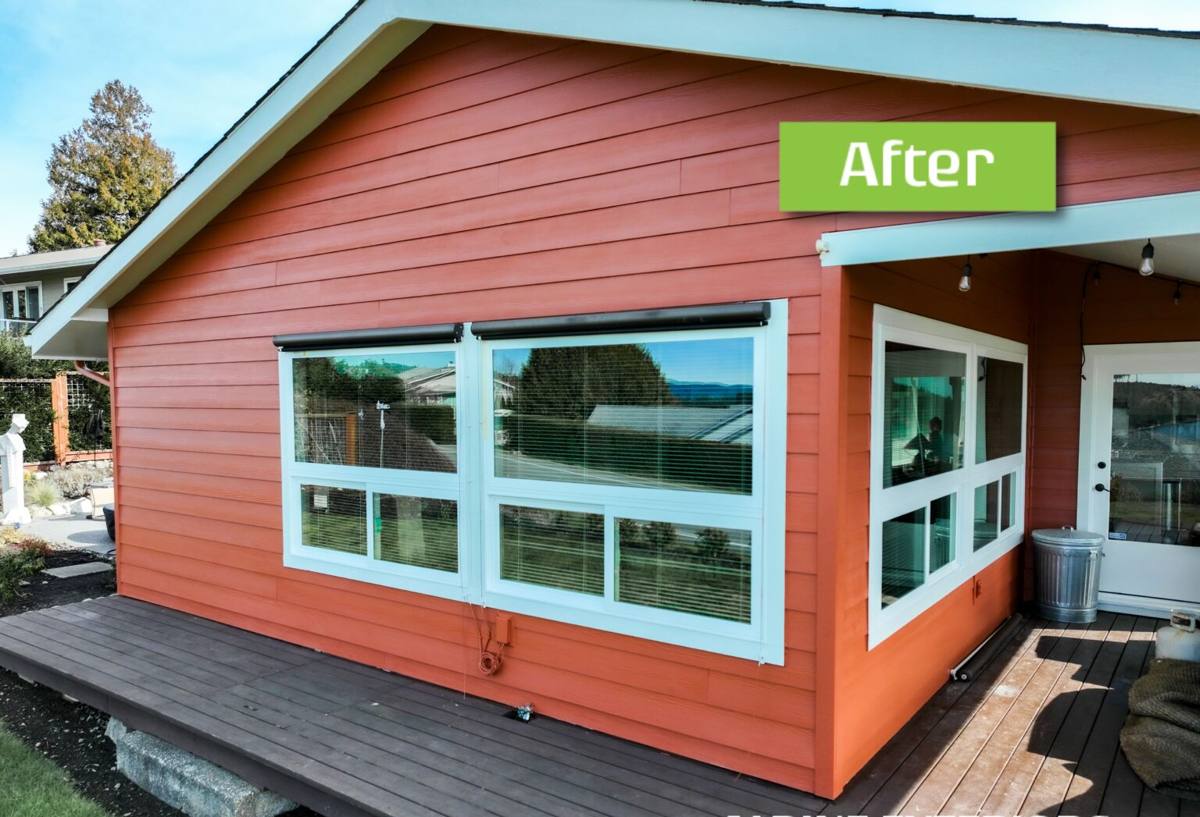
What "Correct" Window Installation Actually Involves
A window that looks right from the curb can still be installed wrong in ways that only show up after a few wet winters. Getting it right isn't complicated, but it does require doing several unglamorous steps in the right order, every time.
Flashing and Water Management
The window itself is almost never where a leak starts — it's the flashing around it. Sill pan flashing, properly lapped house wrap, and a drainage path that lets any water that does get behind the siding find its way back out are what actually keep a wall assembly dry. In a climate with sustained driving rain, this detail matters more than the window brand.
Air and Moisture Sealing
Interior and exterior sealing serve different jobs. The exterior seal manages bulk water. The interior air seal controls condensation by keeping warm, moist indoor air from reaching the cold glass and frame surfaces where it can condense, drip, and eventually cause hidden rot inside the wall cavity. Skipping or rushing either one is one of the most common causes of window callbacks we see on older installs.
Frame and Glass Selection for This Climate
Not every window on the market is a good fit for a marine-influenced climate with heavy annual rainfall. Frame material, glazing package, and drainage design all affect how a window performs after five or ten winters, not just how it looks on installation day.
Matching the Window to the Climate: Frame Material Comparison
Homeowners often ask us to just match what's already on the house, and sometimes that's the right call. But when a full window is failing, it's worth understanding the real trade-offs between common frame materials in a wet, salt-exposed climate like Whatcom County's.
| Frame Material | Moisture & Salt Air Performance | Maintenance | Typical Trade-Off |
|---|---|---|---|
| Vinyl | Good — won't rust or rot, but can warp if a unit is poorly reinforced | Low | Fewer custom color/finish options on some lines |
| Fiberglass | Very good — stable in temperature swings, resists moisture well | Low | Higher upfront cost than vinyl |
| Wood (clad exterior) | Good if properly clad and flashed; exposed wood suffers in driving rain | Moderate to high on unclad wood | Best interior appearance, but relies on flawless exterior detailing |
| Aluminum (uninsulated) | Poor in this climate — prone to condensation and corrosion near salt air | High | We don't recommend uninsulated aluminum for this region's conditions |
We're not in the business of pushing one brand or material on every job. The right choice depends on the home's exposure, the existing wall assembly, and what the homeowner actually wants to maintain over time. We'll walk through the honest trade-offs before you commit to anything.
Our Process for a Custom Window Project in Everson
1. On-Site Assessment
We start by looking at more than the windows themselves — we check the surrounding trim, siding condition, and any signs of past water intrusion. A window replacement is a good time to catch a moisture problem before it turns into a structural repair.
2. Accurate Measurement and Ordering
Custom windows are built to the exact rough opening, not a stock size. We measure carefully and account for any out-of-square conditions common in older framing, so the finished install fits tight without gaps that have to be papered over with extra caulk.
3. Careful Removal
Removing the old unit gives us a direct look at the condition of the framing, sheathing, and existing flashing. If there's hidden rot or moisture damage from a prior installation, we address it before the new window ever goes in — installing a good window over a wet or compromised opening just delays the same problem.
4. Installation and Flashing
This is where the sill pan, house wrap integration, and drainage path get built correctly, in sequence, so water is directed out rather than trapped.
5. Sealing, Trim, and Final Check
Interior and exterior sealing is completed, trim is finished to match the home, and we do a final check of operation, weep paths, and seal integrity before we consider the job done.
Problems We Commonly Find From Past Installations
A large part of window work in this region isn't new construction — it's correcting what an earlier installation got wrong. Some of the most common issues we run into:
- Missing or improperly lapped sill pan flashing, allowing water to sit against the framing
- Caulk used as the only water management strategy, with no actual drainage path behind it
- Condensation staining on interior sills from poor air sealing, mistaken for a "leaky window"
- Moss and organic buildup on horizontal trim surfaces holding moisture against the wood longer each season
- Frames installed slightly out of level or square, causing hardware to bind or seals to fail early
Most of these aren't obvious from inside the house until the damage has already spread into the wall. That's why we check the surrounding assembly, not just the window unit, on every project.
Why a Crew That Already Works in Everson Makes a Difference
Window installation standards that work fine in a drier inland climate don't always hold up here. A crew that regularly works Whatcom County homes already knows which details to be strict about — how much lap to build into flashing for sustained driving rain, which frame materials hold up against salt-influenced air, and where moss tends to collect and trap moisture on trim and siding transitions near a window. That familiarity comes from doing the work locally and coming back to see how installations actually hold up through a full wet season, not just from a manufacturer's install guide.
It also means a contractor who's still local next year if something needs a warranty check or adjustment — not a crew that installed once and moved on to the next region.
What Homeowners Should Ask Before Hiring Anyone for Window Work
Whether you hire us or someone else, these are the questions worth asking before signing a contract for custom window work in this climate:
- Will you install sill pan flashing, or rely mainly on sealant for water management?
- How do you handle rough openings that are out of square, which is common in older Everson-area homes?
- What frame materials do you recommend for a home with this level of rain and wind exposure, and why?
- Will you inspect the framing and sheathing once the old window is removed, before installing the new one?
- What does your warranty actually cover — the window unit, the labor, or both?
Keeping Custom Windows Performing Long-Term in This Climate
A properly installed window still needs some homeowner attention in a region with this much rain and moss pressure. A short seasonal routine goes a long way:
- Clear moss and organic debris from window trim, sills, and nearby siding each fall
- Check exterior caulking annually for cracking or separation, especially on south- and west-facing exposures
- Keep gutters and downspouts clear so overflow isn't running down the wall above window openings
- Operate and lubricate hardware periodically so seals aren't stressed by a sticking sash
- Watch for soft spots or discoloration on interior sills, which often show up before a leak is visible outside
Cost Factors to Understand Before You Budget
Custom window pricing varies quite a bit project to project, but the main cost drivers are consistent across most Whatcom County homes:
| Factor | Why It Affects Cost |
|---|---|
| Number and size of window openings | More units and larger custom sizes increase material and labor time |
| Frame material chosen | Vinyl, fiberglass, and clad-wood options differ meaningfully in unit price |
| Condition of existing framing | Hidden rot or moisture damage found during removal adds repair scope |
| Glazing and performance package | Upgraded glass packages for energy performance or noise control add cost |
| Trim and exterior finish work | Matching existing trim profiles or siding can add finishing labor |
We give straightforward, itemized pricing so you know what you're paying for and why, rather than a single lump number that hides the details.
If you're weighing whether it's time to replace aging windows, or you just want an honest read on what a past installation looks like once we're up close, we're happy to come take a look. Reach out for a free, no-pressure estimate using the form below — we'll walk the property, answer your questions, and give you a straight assessment either way.