 Blaine Roofing
 Siding Built for Dakota Creek's Conditions
Dakota Creek sits close enough to the water and to Blaine's marine air that siding here works harder than siding does twenty miles inland. Homes in this part of Whatcom County deal with a near-constant combination of salt-tinged air, wind-driven rain that pushes moisture sideways into wall assemblies, and a moss season that can stretch from fall through spring. Any siding material installed here has to handle all three at once, year after year, without the homeowner needing to think about it.
That's the standard we hold every Dakota Creek siding job to. We install James Hardie fiber cement exclusively, and this page walks through what that means specifically for homes in this neighborhood — not generic siding advice, but what actually matters given the climate Dakota Creek sits in.
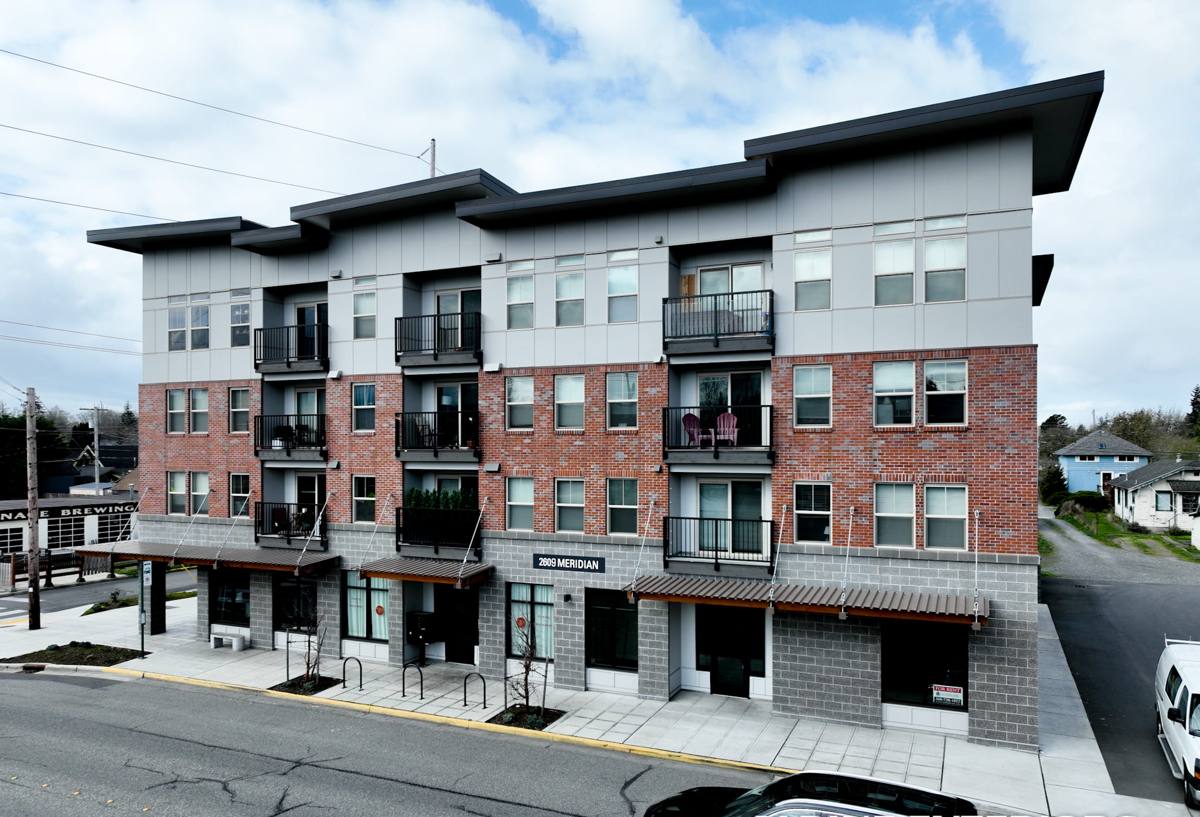
What Salt Air and Driving Rain Do to Siding Over Time
Proximity to salt water accelerates the breakdown of a lot of common siding and trim materials. Salt-laden air is corrosive to exposed metal fasteners and flashing, and it can degrade certain paints and coatings faster than the manufacturer's warranty assumes, especially on west- and south-facing walls that catch weather straight off the water.
Driving rain compounds the problem. When wind pushes rain horizontally into a wall rather than letting it run straight down, water finds its way into every seam, lap, and penetration that isn't detailed correctly. On homes with wood-based or wood-adjacent siding products, that means swelling, delamination at cut edges, and eventually rot — often starting at butt joints, window trim returns, and the bottom courses closest to grade, where moisture lingers longest.
Why This Matters for Product Choice
This is the core reason we don't install vinyl, LP SmartSide, primed spruce, or cedar on Dakota Creek homes. Each of those products has real strengths, but none of them is engineered specifically to resist moisture intrusion and marine air the way fiber cement is. James Hardie's HZ5 product line is formulated for exactly this climate zone — it's not a marketing label, it's a different moisture-resistance engineering target than the standard formulation sold in drier regions.
Moss, Algae, and the Whatcom County Growing Season
Whatcom County's long wet season and mild temperatures are ideal for moss and algae growth on north-facing walls, under eaves, and anywhere siding stays damp longer than it can dry. On porous or textured surfaces, moss and algae get a foothold in the material itself, not just on top of it, which makes cleaning more aggressive and more frequent than it should be.
James Hardie's ColorPlus factory finish is a baked-on, multi-coat finish applied under controlled conditions rather than field-sprayed. It's smoother and more consistent than field-applied paint, which gives moss and algae less to grip onto and makes routine washing far more effective at actually removing growth instead of just knocking back the surface layer.
- North-facing walls and shaded sides of the home need the most attention during a moss-season inspection
- Soffit and eave overhangs should be checked where they meet the siding — this is a common moss starting point
- Any area with standing shade for most of the day will always be more moss-prone than sun-exposed walls
- Regular gentle washing (not pressure washing directly against seams) keeps growth from establishing long-term
What Correct Installation Looks Like Here
Fiber cement siding is only as good as its installation. In a climate like Dakota Creek's, the details that get skipped on a rushed job are exactly the details that cause problems three to five years later — not on day one, which is part of why cutting corners here is so easy to get away with in the short term.
The Non-Negotiables on a Dakota Creek Home
- Correct rain screen or drainage plane behind the siding so any moisture that does get past the cladding can drain and dry
- Proper flashing at every window, door, and roof-to-wall intersection — the highest-risk spots for wind-driven rain intrusion
- Manufacturer-specified fastener patterns and corrosion-resistant fasteners, given the salt-air exposure
- Correct clearance between the bottom of the siding and grade, decks, or roof lines to prevent wicking
- Factory-cut edges used wherever possible, with any field cuts properly sealed per Hardie's installation guidelines
- Caulking and sealant only where Hardie's install specs call for it — over-caulking traps moisture instead of shedding it
None of this is exotic. It's the difference between an installation crew following the manufacturer's actual specification versus one treating fiber cement like it installs the same way as any other lap siding. It doesn't.
Our Process for a Dakota Creek Siding Project
We approach every siding installation in this neighborhood the same structured way:
- On-site assessment — we walk the home, check current siding condition, look at drainage, grade, and any existing moisture damage before quoting anything
- Product and color selection — matching the right Hardie product line and ColorPlus finish to the home's exposure and the owner's style preference
- Prep and moisture barrier work — addressing any sheathing damage or barrier issues found during removal, not just covering them up
- Installation to Hardie spec — correct flashing, fastening, and clearances at every penetration and seam
- Final inspection and walkthrough — confirming trim, caulking, and finish work before we consider the job complete
Skipping step three is the single most common shortcut in this trade, and it's the one that causes the most expensive repairs down the line. New siding over a compromised moisture barrier just hides a problem for a while.
Why James Hardie, Specifically, for This Neighborhood
We install James Hardie fiber cement exclusively — not LP SmartSide, not vinyl, not Cemplank or Allura, not primed spruce or cedar. Each of those products has legitimate applications elsewhere, but for a climate combining salt air, driving rain, and heavy moss pressure, we've standardized on Hardie for specific reasons:
| Factor | Why It Matters in Dakota Creek |
|---|---|
| Non-combustible fiber cement | No fire-related material degradation concerns, unlike wood-based products |
| HZ5 climate engineering | Formulated moisture resistance matched to this specific climate zone rather than a one-size-fits-all product |
| ColorPlus factory finish | Baked-on consistency resists moss/algae adhesion better than field-applied paint |
| Dimensional stability | Doesn't swell, cup, or delaminate at cut edges the way wood-based sidings can under sustained moisture |
| Transferable warranty | Strong manufacturer backing that holds value if the home is sold |
Vinyl siding is inexpensive and low-maintenance in dry climates, but it can distort in temperature swings, and its seams and J-channels give wind-driven rain more opportunities to get behind the cladding. LP SmartSide, primed spruce, and cedar are wood-based products — well-suited to certain applications, but wood-based siding is inherently more vulnerable to sustained moisture exposure than fiber cement, and this is a climate that supplies sustained moisture for most of the year. Cemplank and Allura are also fiber cement, but we've built our installation training, warranty relationships, and product knowledge around the Hardie system specifically, and we'd rather do one system exceptionally well than several adequately.
Cost Factors for a Dakota Creek Siding Project
Every home is different, but the main variables that affect a siding installation quote here are consistent:
| Factor | Why It Affects Cost |
|---|---|
| Home size and wall complexity | More corners, gables, and dormers mean more cutting, flashing, and labor time |
| Current siding removal | Tear-off and disposal of existing material adds time versus a straightforward re-side |
| Sheathing or moisture barrier repair | Hidden damage found during removal can add scope — this is common on older homes near the water |
| Product line and profile | Lap width, texture, and trim details vary in material cost within the Hardie lineup |
| Color selection | Standard ColorPlus colors versus custom field-painted options affect price and lead time |
We give firm, written quotes only after an on-site look — anything else is a guess, and guesses on siding jobs tend to be wrong in the homeowner's favor at quote time and wrong in the contractor's favor once the invoice arrives.
Signs Dakota Creek Homeowners Shouldn't Ignore
- Visible moss or dark streaking that returns quickly after cleaning
- Soft or spongy spots when pressing on siding near the bottom edge or around windows
- Paint that's bubbling, peeling, or chalking heavily on one side of the home more than others
- Visible gaps, warping, or separation at seams and corners
- Interior signs like peeling paint or musty smells near exterior walls, which can point to moisture getting through from outside
Any of these are worth a look before they turn into a bigger repair. Catching moisture intrusion early, before it reaches the sheathing or framing, is almost always the difference between a siding job and a structural repair.
Get a Straightforward Estimate
If you're weighing a siding project for a Dakota Creek home, we're happy to come take a look and give you a straightforward, no-pressure assessment of what your home actually needs. Fill out the form below and we'll get in touch to schedule a time that works.