 Blaine Roofing
 Custer Windows Take a Different Kind of Beating
Custer sits a few miles inland from Semiahmoo Bay and Birch Bay, but that doesn't spare it from the marine climate that defines this corner of Whatcom County. Prevailing winds off the water carry a fine film of salt-laden moisture across the area, and it settles on glass, frames, and hardware whether a house is waterfront or set back among the fields. Add the region's long stretch of driving rain each fall and winter, plus a moss season that can run eight months or more, and window assemblies here are working harder than they would almost anywhere inland.
None of that is dramatic on its own. It's the slow, compounding effect that matters: salt film breaking down seals and hardware finishes a little faster, wind-driven rain finding any gap in flashing or caulking, and moss and organic debris holding moisture against wood trim and sills longer than it should sit. A window that would last three decades in a dry climate can start failing at the seals, sills, or corners well before that here if it wasn't installed correctly in the first place.
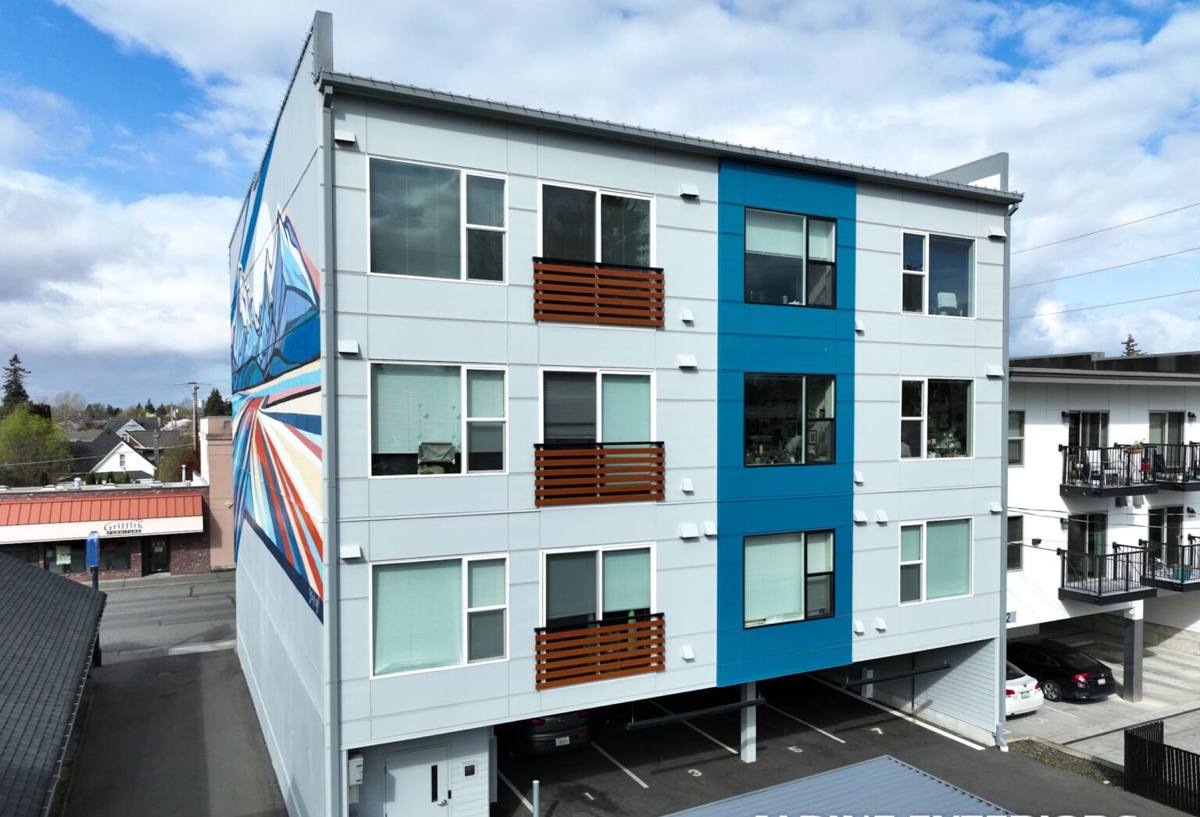
Signs a Custer Home's Windows Are Past Their Service Life
Most homeowners don't replace windows because they woke up one day and decided to — they replace them because the windows started telling them something. The signs are usually gradual:
- Fogging or a hazy film between the panes of a double-pane window — this means the seal has failed and the insulating gas has escaped; it can't be cleaned away.
- Soft, discolored, or crumbling wood at the sill, corners, or bottom rail — a sign moisture has been getting in and sitting.
- Noticeable drafts near the frame even with the window fully latched.
- Windows that are hard to open, close, or lock, especially older wood or aluminum-frame units that have swollen or warped.
- Heavy interior condensation on cold mornings, which points to poor insulating performance, not just humidity in the house.
- Visible gaps, cracked caulk, or peeling paint around the exterior trim.
Any one of these on its own might just need a repair. Several at once, or a window with visible rot at the frame, usually means replacement is the more honest answer than another round of patching.
What a Correct Window Replacement Actually Involves
Window replacement looks simple from the outside — old unit out, new unit in — but the quality of the work is almost entirely in details a homeowner won't see once the trim goes back on. In a climate that pushes rain sideways into a wall, those details are what decide whether the new window performs well for twenty-plus years or starts leaking in five.
Removing the Old Unit Without Hidden Damage
Pulling an old window can reveal what's been happening behind the trim for years — soft sheathing, rot in the framing, or old flashing that was never doing its job. A correct job means stopping to actually look at that framing before setting the new window, and repairing any water-damaged wood rather than sealing a new window over a problem that's already there.
Flashing and Moisture Management
This is the single most important part of the install in a wet climate like ours. Flashing tape and building paper need to be layered correctly — each piece overlapping the one below it — so that any water that does get behind the siding sheds outward instead of pooling at the sill. A window that looks perfectly caulked on the outside can still leak for years if the flashing underneath was done out of order.
Fit, Shimming, and Insulation
A new window needs to be shimmed level, plumb, and square in the rough opening, then insulated around the gap without overpacking it — too much expanding foam can actually bow the frame and cause the sash to bind. This step is also where a window's real-world energy performance is decided; a good window installed with sloppy gaps performs worse than a mid-grade window installed correctly.
Exterior Trim and Finish Work
The trim and caulking are the last line of defense against wind-driven rain. Every joint that isn't sealed properly is a place water can start working its way in, especially on walls that take the brunt of storms coming off the water. We finish with sealants rated for exterior use in this climate, not whatever's fastest to apply.
Choosing a Window Frame Material for This Climate
There's no single "best" window material — the right choice depends on the home, the budget, and how much upkeep a homeowner wants to take on. Here's how the common options actually compare under the conditions Custer homes deal with:
| Frame Material | How It Handles Salt Air & Moisture | Maintenance | Typical Lifespan Here |
|---|---|---|---|
| Vinyl | Good — won't rot or corrode; UV exposure over many years can affect color | Low — occasional cleaning, no painting | 20–30 years |
| Fiberglass | Very good — stable in wet/dry cycling, holds up well to salt exposure | Low | 30+ years |
| Wood / Wood-Clad | Requires diligence — the wood core is vulnerable if the exterior clad or finish is ever breached | High — periodic refinishing and caulk checks | Varies widely with upkeep |
| Aluminum | Poor without a thermal break — conducts cold and can corrode near salt air over time | Moderate | Shorter unless upgraded hardware/coatings used |
Our general standard for homes in this area is vinyl or fiberglass for most replacements, simply because they hold up to the salt-and-rain cycle with the least ongoing maintenance. We'll still install wood or wood-clad windows when a homeowner wants that look on a historic or specific-style home — it's a legitimate choice, it just comes with a real maintenance commitment that's fair to know about going in.
What Drives the Cost of a Window Replacement
Every quote is different because every window and every wall is different. The main things that move the price up or down are:
| Factor | Why It Matters |
|---|---|
| Frame material and glass package | Fiberglass and upgraded low-E or triple-pane glass cost more than standard vinyl double-pane |
| Number and size of windows | Larger openings and specialty shapes (bay, arched, oversized) take more time and custom sizing |
| Condition of the existing opening | Rot repair, resized openings, or reframing add labor beyond a straightforward swap |
| Access and site conditions | Second-story windows, tight landscaping, or limited driveway access affect labor time |
| New construction vs. retrofit install | Full-frame replacement with new flashing typically costs more than an insert replacement into a sound frame |
We won't quote a job sight unseen, and we're upfront if a "quick swap" turns into a bigger repair once we're into the wall — that's rare, but it happens, and we'd rather tell you than surprise you at the end.
Our Process, Start to Finish
- Walkthrough and measurement — we look at each window in question, check the framing where visible, and talk through material and glass options.
- Written estimate — a clear scope and price before any work is scheduled, no pressure to decide on the spot.
- Ordering and lead time — we let you know realistic timing since custom-sized windows take a few weeks to arrive.
- Install day — old windows removed, framing inspected and repaired as needed, new window flashed, set, shimmed, and insulated.
- Exterior finish — trim, caulking, and touch-up so the new window is fully weather-sealed before we leave.
- Final walkthrough — we check operation, seals, and cleanup with you before calling the job done.
Why It Matters That We Already Work in Custer
A crew that's worked houses throughout the Blaine area and greater Whatcom County knows the patterns — which wall orientations tend to take the worst weather, what older local homes commonly have going on behind the trim, and how to schedule around the rainy months instead of fighting them. That familiarity shows up in small ways: knowing to check for rot in spots that are easy to miss, knowing what flashing detail actually holds up to a real Pacific Northwest winter, and being close enough to come back quickly if something needs a second look after the fact.
It also means we're not guessing at what "normal" looks like for a home out here. A window install that would be fine in a dry inland climate isn't automatically fine a few miles from the Strait of Georgia — the standard has to be higher, and that only comes from doing this work locally and repeatedly.
Keeping New Windows Performing Through Wet Seasons
A correctly installed window still benefits from basic upkeep, especially in a climate that never really gives surfaces a long dry stretch to reset. A few habits go a long way:
- Rinse exterior glass and frames periodically to clear salt film before it dulls finishes or hardware.
- Check weep holes (the small drainage openings at the bottom of the frame) and clear away dirt, moss spores, or debris so water can drain out as designed.
- Inspect exterior caulking once a year, ideally before the fall rains start, and have any cracked or separated sections resealed.
- Keep gutters and nearby roof valleys clear of moss and debris so runoff isn't sheeting directly down onto window heads.
- Avoid high-pressure washing directly at the seals — it can force water past caulking that would otherwise hold up fine.
- Operate each window a few times through the year, even ones you rarely open, so hardware doesn't seize up.
None of this is complicated, but skipping it is one of the more common reasons a good window install starts showing problems earlier than it should.
Talk to a Crew That Already Knows This Climate
If you're noticing drafts, fogged glass, or soft trim on a Custer home, it's worth getting an honest look before deciding what's actually needed. We offer free, no-pressure estimates — walk us through what you're seeing, and we'll tell you straight whether it's a repair or a replacement, and why. Use the form below to get started.