 Blaine Roofing
 Custer's Climate Puts Real Stress on Exterior Siding
Custer sits in the northwest corner of Whatcom County, close enough to saltwater that homes here deal with a steady drift of salt-laden air on top of everything else the Pacific Northwest throws at a house. That combination — salt air, driving rain off winter storms, and a long, wet moss season — is harder on siding than most homeowners realize until they're standing in front of a wall that's swelling, staining, or growing a green film in the shade.
Rural and semi-rural lots around Custer often sit under mature fir, cedar, and alder cover, which keeps north- and east-facing walls damp and shaded for long stretches of the year. That shade is exactly what moss and algae need to take hold. At the same time, wind off the water pushes rain sideways into wall assemblies during storms, which is a different and more demanding load than straight-down rain. Siding that isn't built and installed for that combination fails faster here than it would forty miles inland.
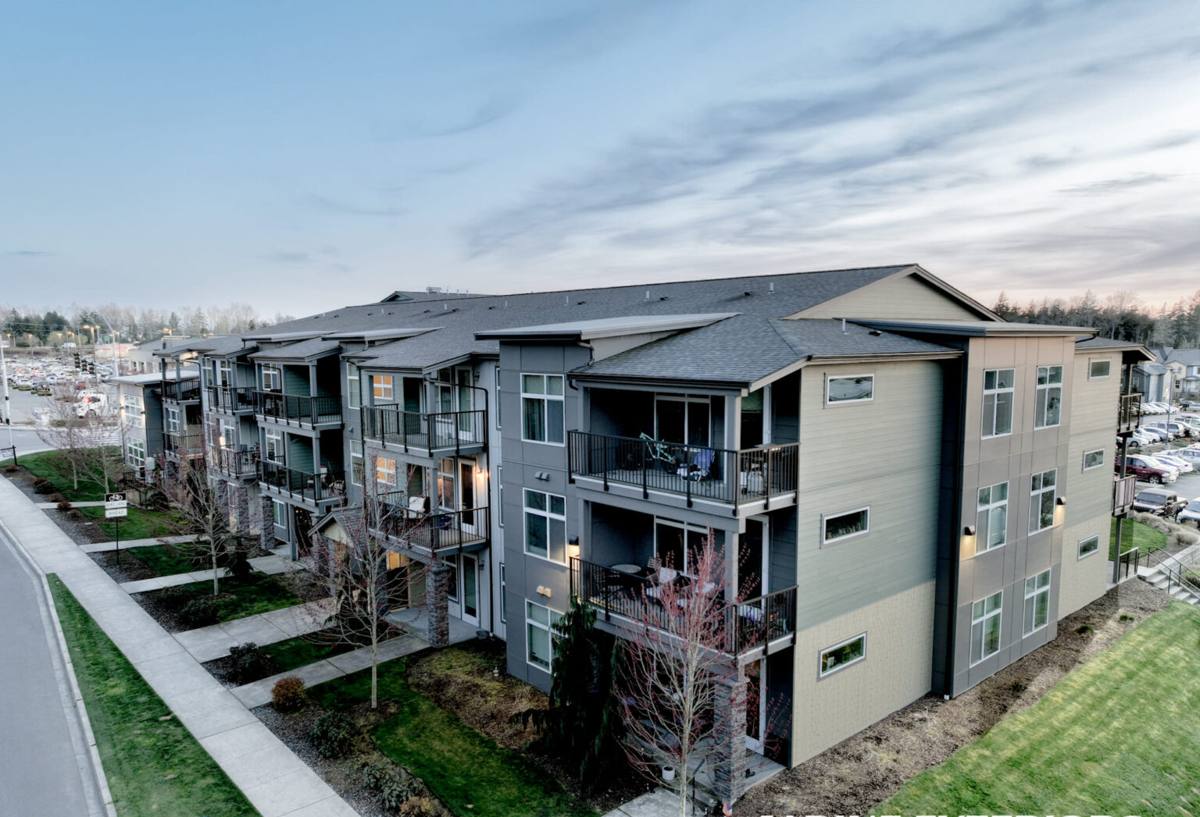
What Custer Homes Actually Need From Their Siding
Moisture Management, Not Just Water Resistance
A siding product can be "water resistant" on paper and still fail on a Whatcom County wall if the assembly behind it can't dry out between rain events. Custer's wet season doesn't give walls much of a drying window, so the siding, the water-resistive barrier, and the drainage path behind the cladding all have to work together — not just the face material.
Color and Surface Stability
Salt air and UV cycling both work against paint film over time. Homeowners in this area tell us the same thing: siding that needs repainting every five to seven years gets old fast, both in labor and in cost. A factory-cured finish designed to hold up outdoors is worth more here than it would be in a drier, less exposed climate.
Fastener and Trim Corrosion Resistance
Salt air corrodes exposed metal faster than inland air does. Nails, flashing, and trim fasteners that would last decades elsewhere can start showing rust streaks on a Custer home years ahead of schedule if the wrong materials are used.
Why We Only Install James Hardie Fiber Cement
We standardized on James Hardie fiber cement siding for every job we take on, including homes in Custer, and we don't install vinyl, LP SmartSide, or other fiber cement brands. That's not a marketing position — it's a decision based on what we've seen hold up on real Whatcom County homes in this specific climate.
Fiber cement is non-combustible, dimensionally stable in wet-dry cycling, and doesn't warp or rot the way engineered wood products can when a caulk joint fails or a gutter overflows. Hardie's ColorPlus factory finish is baked on under controlled conditions, which gives it better color retention and adhesion than field-applied paint, and it carries a real transferable limited warranty. When we're the ones putting our name behind an installation, we want a product system we trust to perform under exactly the conditions Custer sees every winter.
How We Install Fiber Cement Siding in Custer
Tear-Off and Sheathing Inspection
Every job starts with removing the old siding and actually looking at what's underneath. In a climate this wet, hidden sheathing damage is common on older homes, especially around window heads, deck ledgers, and low corners where water tends to collect. We flag and repair any soft or damaged sheathing before anything new goes up — covering a problem with new siding just hides it for a few more years.
Weather-Resistive Barrier and Flashing
We install a weather-resistive barrier and detail flashing at every penetration — windows, doors, hose bibs, vents, and any trim intersection — before the siding goes on. This is the layer that actually keeps wind-driven rain out of the wall assembly, and it matters more in a place where storms push rain sideways than it does in a calmer inland climate.
Drainage Gap
Where the wall assembly calls for it, we build in a drainage gap behind the siding so any moisture that does get past the cladding has a clear path to drain and the wall can actually dry out between rain events. In a climate with as few dry stretches as Custer gets, that drying capacity is what keeps a wall assembly healthy long-term.
Fastening and Joint Detail to Manufacturer Spec
James Hardie publishes specific fastening patterns, nail types, and clearance requirements for coastal and high-exposure climate zones, and we follow them — not generic siding practice. Joints, corners, and butt seams are detailed to shed water rather than trap it, since a poorly lapped joint is one of the most common places we see moisture problems start on older installs.
Caulking and Finish Work
We use exterior-grade sealants at the joints Hardie's install guide calls for, and we're careful not to over-caulk places that are designed to drain rather than seal. Excess caulking in the wrong spot can trap water behind siding just as easily as a missing bead can let water in.
Managing Moss and Salt Air After Installation
No siding material is completely moss-proof — moss grows on the grime and organic buildup that collects on any exterior surface, not on the material itself. What changes with a correctly installed Hardie system is how easy that buildup is to manage and how much damage it can do before someone notices.
- Keep gutters and downspouts clear so water isn't sheeting down the wall face during heavy rain
- Trim back tree limbs and shrubs that keep a wall shaded and damp longer than necessary
- Rinse shaded, north-facing walls periodically to keep moss and algae from establishing a foothold
- Check caulk joints around windows and trim yearly, since that's where failures typically start
- Address any soft spots, staining, or bubbling paint on trim promptly rather than waiting for a full repaint cycle
Because ColorPlus finish is factory-cured rather than field-applied, it holds up to routine washing far better than site-painted wood or engineered wood trim, which is one of the practical advantages homeowners notice a few years in.
Comparing Siding Materials for Custer's Conditions
| Material | Moisture Behavior in Wet Climates | Salt Air / Corrosion | Typical Maintenance |
|---|---|---|---|
| James Hardie Fiber Cement | Dimensionally stable, doesn't swell or rot | Non-combustible, holds up well with proper fasteners | Occasional washing; factory finish resists fading |
| Vinyl Siding | Can warp or buckle with temperature swings | Can become brittle and discolor over time | Low, but damage often means full panel replacement |
| LP SmartSide (Engineered Wood) | Vulnerable to swelling if caulk joints fail | Moderate; depends on coating integrity | Regular caulk and paint inspection required |
| Cedar or Primed Spruce | Prone to moisture absorption and rot without upkeep | Needs consistent sealing to resist salt exposure | Frequent repainting/resealing, higher long-term cost |
This isn't a knock on every alternative product — vinyl and engineered wood both have a place in the market. But given the moisture load and salt exposure Custer sees, we've made fiber cement our standard because it's the material we trust to still be performing well a couple of decades from now with reasonable upkeep.
Signs Your Current Siding Is Failing
- Paint that's peeling, bubbling, or chalking well before its expected repaint interval
- Soft or spongy spots when you press on the siding, especially near the bottom courses
- Persistent moss or algae streaking that comes back within weeks of cleaning
- Visible gaps, cracks, or warping at seams and corners
- Rust staining running down from nail heads or trim fasteners
- A musty smell near exterior walls or unexplained interior humidity
Any one of these on its own might just need a repair. Several at once usually means the underlying wall assembly is no longer managing moisture the way it should, and it's worth having someone take a real look rather than patching the surface.
Why Hire a Crew That Already Works in Custer
Siding installation isn't one-size-fits-all across Whatcom County. A crew that primarily works drier inland areas may not default to the flashing and drainage details that matter most on a wind-exposed, salt-air lot near Custer. Working this area regularly means we're used to detailing for wind-driven rain, sizing up which walls need extra attention for moss and shade exposure, and pulling the right permits through Whatcom County without it turning into a delay on your project.
It also means we're not guessing at what actually holds up here — we're building on what we've already seen work, and not work, on homes exposed to the same air and rain your house deals with every year.
If your siding is showing its age or you're planning ahead for a replacement, we're happy to take a look and walk you through what we'd recommend for your specific home — no pressure, no obligation. Reach out using the form below to schedule a free estimate.