 Blaine Roofing
 Why California Creek Is a Tough Place to Be a Wall
California Creek sits close enough to the water that homes here take a different kind of beating than siding fifteen miles inland. Salt-laden air off the Strait works into seams, fastener heads, and any spot where paint has thinned. Driving rain off Georgia Strait storms doesn't just fall straight down — wind pushes it sideways into laps and trim, which is exactly where cheap or poorly installed siding starts to fail first. And because this part of Whatcom County stays cool and damp for long stretches of the year, north-facing walls, tree-shaded elevations, and anything tucked near landscaping can carry moss and algae for months at a time.
None of that is unusual for the Blaine area. But it does mean the siding decision matters more here than it would in a drier climate. A product that's marginal in Spokane can be a real problem on a California Creek lot facing the water.
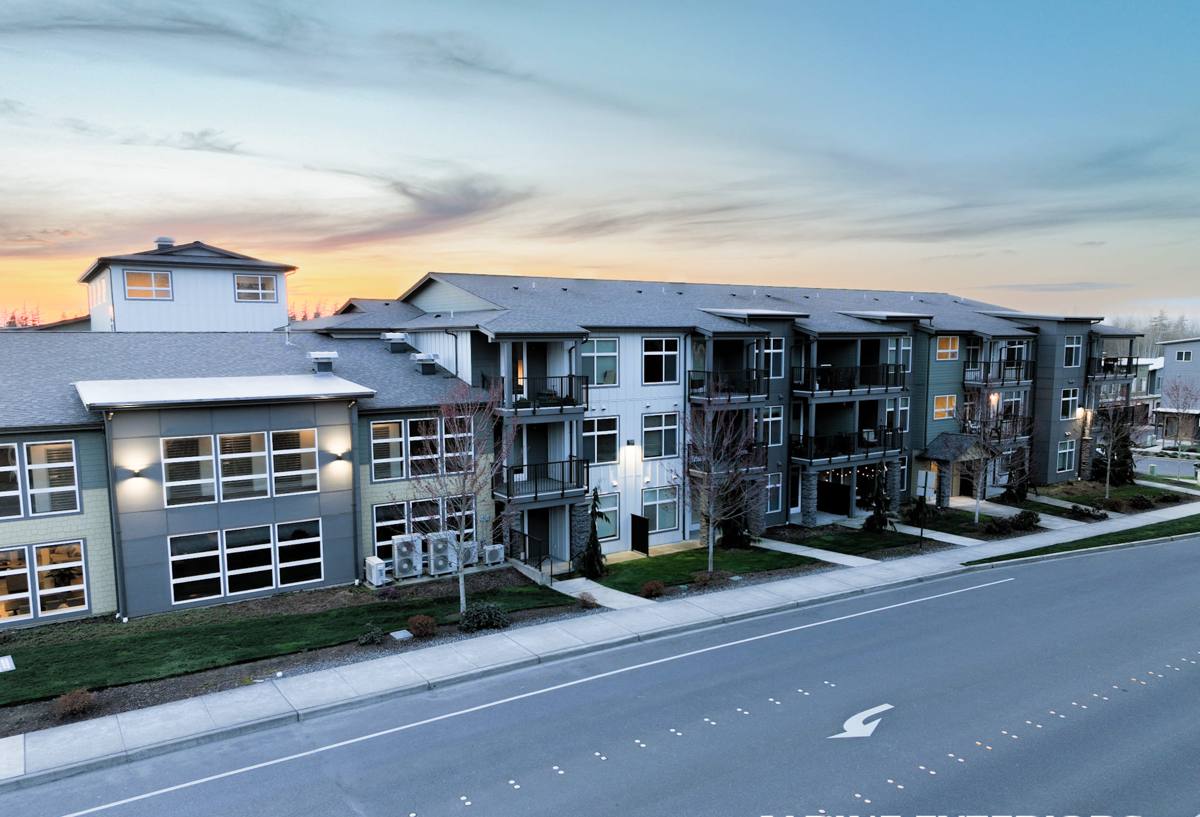
What James Hardie Siding Is Built to Handle
We install James Hardie fiber cement siding exclusively — no vinyl, no LP SmartSide, no Cemplank, no Allura, no cedar or primed spruce. That's not a marketing position, it's a standard we hold because of what we've seen happen to other materials on homes exactly like the ones in California Creek.
Fiber cement is made from cellulose fiber, sand, and cement. It doesn't feed mold or insects the way wood-based siding can, and it doesn't soften, warp, or become brittle from repeated wet-dry cycling the way engineered wood products can once a seam or cut edge is exposed to moisture. It's also non-combustible, which matters more each year as wildfire smoke and dry-season fire risk become a bigger part of Pacific Northwest summers.
ColorPlus Factory Finish
Most of what we install uses Hardie's ColorPlus finish — a factory-applied, baked-on coating that's more UV- and weather-resistant than field-applied paint. In a salt-air environment, that matters: field-painted surfaces are the first to show chalking, fading, and peel at fastener heads and cut edges. A factory finish holds its color and its bond to the substrate far longer, which means fewer repaint cycles over the life of the siding.
Choosing the Right Hardie Product Line for a Coastal Lot
James Hardie engineers its siding by climate zone, and homes near the water benefit from that. For California Creek properties we typically spec HZ5 (or the appropriate zone product for the specific site), which is formulated for wetter, more variable climates — better resistance to moisture-related freeze-thaw stress and a formulation designed to hold up in prolonged damp conditions rather than the drier interior climate a generic product might be built for.
Beyond the zone rating, the choice of profile matters too:
| Product | Best Use on a California Creek Home | Why It Fits |
|---|---|---|
| HardiePlank lap siding | Most full-elevation replacements | Traditional look, wide range of exposures, handles wind-driven rain well when lapped and flashed correctly |
| HardiePanel vertical siding | Accent walls, gables, modern facades | Fewer horizontal laps means fewer water-entry points on exposed elevations |
| HardieShingle | Gable accents, transitional design details | Adds texture without sacrificing the moisture performance of fiber cement |
| HardieTrim | Corners, window and door casings, fascia | Matches the siding's water and rot resistance at the vulnerable edges |
We walk each property and match the product and exposure to the elevation's actual weather exposure — a wall facing the water gets treated differently than a sheltered side yard.
What a Correct Installation Actually Involves
Fiber cement siding is only as good as the installation behind it. Most of the problems we get called out to look at on other contractors' work trace back to shortcuts made during install, not a flaw in the material itself.
Water Management Comes First
Before a single piece of siding goes up, the wall needs a correctly lapped weather-resistant barrier, properly integrated flashing at every window, door, and penetration, and a drainage plane that lets any moisture that does get behind the siding find its way back out. On a lot exposed to driving rain, this layer does more to protect the home than the siding itself.
Fastening and Clearances
Hardie specifies fastener type, placement, and spacing for a reason — get it wrong and you create thousands of tiny entry points for water and rust staining. We also hold the manufacturer's minimum clearances from grade, roof lines, and decks, which is a detail that's easy to shortcut and hard to notice until moisture damage shows up years later.
Caulking and Paint Touch-Up
Cut edges get sealed. Butt joints get treated correctly rather than just caulked and hoped for. Where a factory edge is compromised by a field cut, it gets touched up so the moisture protection isn't relying on caulk alone.
- Weather-resistant barrier lapped shingle-style, top over bottom
- Flashing integrated at every window, door, and penetration — not just caulked over
- Manufacturer-specified fastener type, size, and spacing followed exactly
- Minimum clearance from grade, decks, patios, and roof lines maintained
- Cut edges and exposed cores sealed before installation
- Butt joints treated per Hardie's published details, not just butted and caulked
Why We Don't Install Vinyl, LP SmartSide, or Cedar on These Homes
Homeowners sometimes ask why we'll only quote Hardie. It comes down to how each option performs specifically in a salt-air, high-moisture climate like this one.
Vinyl siding can warp and become brittle with age, and its seams and J-channels give wind-driven rain more opportunities to get behind the cladding. Engineered wood products like LP SmartSide perform well when installed and maintained perfectly, but any breach in the surface — a cut edge, a fastener miss, a scratch — exposes wood-based material to moisture, and once that starts in a damp climate it doesn't reverse itself easily. Cedar and primed spruce are attractive materials, but real wood siding on the water asks for a maintenance commitment — regular refinishing, vigilant caulk inspection, moss and mildew control — that most homeowners underestimate until they're several years in.
Fiber cement isn't maintenance-free, but it removes the moisture-absorption risk that drives most of the callbacks we see on other materials in this climate. That's the whole reason we standardized on it.
Our Process, Start to Finish
- On-site assessment. We walk the exterior, check for existing moisture damage, and evaluate each elevation's actual exposure to wind, rain, and sun.
- Product and color plan. We recommend the Hardie product line, profile, and ColorPlus color that fits the home and its exposure — not a one-size-fits-all spec.
- Tear-off and inspection. Old siding comes off and the sheathing underneath gets inspected for rot or damage before anything new goes up.
- Water management install. Barrier, flashing, and drainage details go in first and get inspected before siding starts.
- Siding installation. Installed to Hardie's published specifications for fastening, spacing, and clearance.
- Final walkthrough. We go over the finished work with the homeowner and document warranty coverage.
Living With Fiber Cement Siding in a Moss-Prone Climate
Even the best siding needs a little upkeep in a climate that stays damp this much of the year. Fiber cement doesn't rot or feed moss the way wood can, but algae and moss can still take hold on the surface, especially on shaded, north-facing walls near California Creek's tree cover. A periodic gentle rinse — low-pressure water, not a pressure washer aimed directly at seams — keeps growth from building up and keeps the ColorPlus finish looking like it should. Keeping gutters clear and trimming back vegetation that shades a wall year-round also goes a long way toward keeping any siding material cleaner, longer.
Why Hiring a Crew That Already Works This Area Matters
Installation details that are optional in a dry climate aren't optional here. A crew that regularly works Blaine and the surrounding Whatcom County coastline already knows which elevations on a California Creek lot take the worst of the wind-driven rain, how much clearance really matters near a lawn that stays wet half the year, and how local moss and algae patterns behave on different orientations. That local pattern recognition shows up in fewer callbacks and siding that's still doing its job correctly a decade or two after install — which, with a material built to last as long as fiber cement, is really the whole point.
If you're weighing a siding replacement on a California Creek property, we're happy to come take a look, walk you through what your home's exposure actually calls for, and put together a straightforward, no-pressure estimate — no obligation, just a clear picture of what correct work looks like for your house.