 Blaine Roofing
 Building a Deck That Actually Holds Up in Blaine Harbor
Blaine Harbor sits right where Whatcom County's marine air meets the wet side of the Pacific Northwest weather pattern, and that combination is hard on outdoor structures in ways that a generic deck spec doesn't account for. A deck built the same way you'd build one twenty miles inland, away from the water, will often show problems within a few years here: soft fastener heads, early graying and cupping in the wrong wood, moss creeping across shaded boards, and rot starting where nobody's looking, at the ledger board and post bases. We build decks specifically for this stretch of Whatcom County, and that means making different calls on materials, fasteners, and framing details than a contractor who only builds decks on the dry side of the state.
This page focuses on one job in one area: new deck construction and full rebuilds for homes in and around Blaine Harbor. If you're comparing bids or just trying to understand what a correct job looks like here, this is what we look at before we ever cut a board.
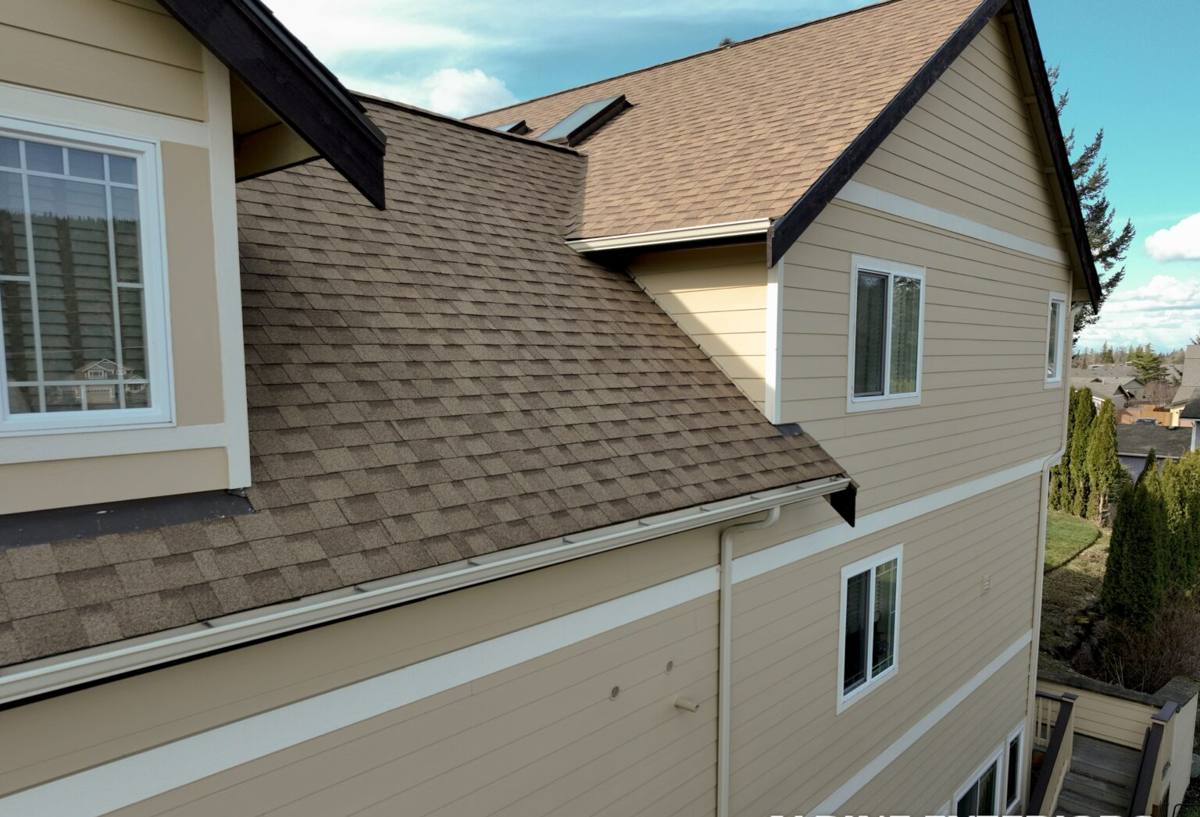
What Blaine Harbor's Climate Actually Does to a Deck
Salt Air and Metal Fatigue
Proximity to the harbor means a steady low-level exposure to salt-laden air, even on days without direct spray. Salt air accelerates corrosion on anything metal that isn't properly rated for it: fastener heads, joist hangers, bolts, and cheap railing hardware. Corrosion doesn't just look bad as surface rust; it weakens the fastener's grip over time, which matters a lot on a structure that's holding people up.
Driving Rain and Ledger Rot
Whatcom County gets long stretches of wind-driven rain rather than gentle straight-down rain, and that means water gets pushed sideways into places a dry-climate deck design doesn't protect against — behind ledger boards, under rail post bases, and into end grain on stair stringers. The single most common failure point we see on older decks in this area is a rotted ledger connection where water worked behind the flashing for years before anyone noticed.
A Long Moss and Algae Season
Shaded, north-facing, or tree-covered decks in this area can stay damp for months at a time, which is exactly what moss and algae need to take hold. Beyond the slip hazard, moss holds moisture against the decking surface, which shortens the life of wood and can trap water against composite boards that aren't designed to shed it in shaded spots.
Choosing the Right Decking Material for a Harbor-Facing Deck
There's no single "best" decking material — there's a best material for a given deck's sun exposure, budget, and how much upkeep the homeowner actually wants to do. Here's how the common options hold up specifically in a coastal, high-moisture setting like Blaine Harbor.
| Material | Coastal / Moisture Performance | Maintenance | Typical Trade-Off |
|---|---|---|---|
| Pressure-treated fir/hem-fir | Good if properly sealed and detailed; needs solid flashing and gapping | Re-stain or seal every 2-3 years | Lowest material cost, highest upkeep |
| Cedar | Naturally rot- and insect-resistant, handles damp shade reasonably well | Periodic oiling to keep color; will gray untreated | Better looks and feel, softer surface |
| Capped composite | Very good — shrugs off moisture and salt air, won't rot | Occasional wash; some boards still need moss cleaning in deep shade | Higher upfront cost, long service life |
| Uncapped composite | Weaker choice here — can absorb moisture at cut ends and in shaded spots | More attention needed at board ends and fasteners | Mid-range cost, mid-range performance |
For decks that get regular shade or sit close to the water, we lean homeowners toward cedar or capped composite unless budget rules it out — the maintenance savings over ten years usually make up the price difference. For sunnier, more sheltered decks, a well-detailed pressure-treated deck is still a sound, honest choice as long as the owner is willing to reseal it on schedule.
The Structural Details That Actually Matter
Decking material gets most of the attention, but the framing underneath is what determines whether a deck lasts fifteen years or thirty. In a marine, high-rainfall setting, we pay particular attention to:
- Ledger board flashing — a properly lapped, self-adhering flashing membrane behind the ledger, not just caulk, so wind-driven rain can't track behind the house connection.
- Post base isolation — post bases set to keep wood off standing water and away from direct concrete contact, which holds moisture longer than open air.
- Joist hanger sizing and coating — hangers matched to the actual joist size, not oversized or forced, in a coating rated for the fastener type used with them.
- Footing depth — footings set to the depth required for this frost and soil condition, not just poured to a convenient size.
- Board gapping and airflow — enough spacing and under-deck ventilation that boards can dry out between rain events instead of staying saturated.
Fasteners and Hardware: The Detail Most Bids Skip
This is where a lot of the difference between a deck that ages well near the harbor and one that doesn't actually gets decided, and it's rarely called out clearly on a bid. Standard galvanized fasteners are fine in a lot of inland settings, but in a salt-air environment they corrode faster than their rated lifespan suggests. We spec stainless steel or high-grade coated fasteners rated for coastal and treated-lumber exposure on connections that matter structurally — ledger bolts, hanger nails, and railing hardware — even when it costs more than a standard galvanized package. It's a small line-item difference on a quote and a large difference in how the deck ages.
Our Deck Building Process
1. On-Site Assessment
We walk the site, note sun and shade patterns, drainage, existing structure (for rebuilds), and how the deck ties into the house.
2. Design and Material Selection
We talk through decking and railing options honestly, including where a cheaper material will cost more in upkeep over time given this specific site's exposure.
3. Permitting
Deck work in this area typically requires permitting depending on size and height — we handle that process rather than leaving it to the homeowner.
4. Framing and Flashing First
We build and inspect the structural frame, ledger flashing, and hardware before a single decking board goes down, since that's the part nobody sees again once it's covered.
5. Decking, Railing, and Finish
Boards, railings, stairs, and any fascia or skirting go on last, with attention to gapping and fastener placement for long-term drying.
6. Final Walkthrough
We walk the finished deck with the homeowner and go over basic maintenance specific to their site's sun and shade exposure.
Railings, Fascia, and Finish Choices That Fit This Climate
Railing systems matter more here than in drier climates because hand contact happens right at the point where salt air and moisture are heaviest. Metal balusters and hardware should carry a coating or finish rated for coastal exposure, not a standard interior-grade product. Fascia boards, which cap the visible edge of the deck, take direct weather on their face and benefit from the same material logic as the decking itself — a composite or well-sealed cedar fascia will outlast a bargain-grade board by years in this setting.
Maintenance Checklist for Blaine Harbor Decks
Whatever material you choose, a little seasonal attention goes a long way here. A homeowner can handle most of this without a contractor:
- Sweep debris out of board gaps each fall so water and organic matter don't sit against the wood.
- Check and clear under-deck ventilation gaps, especially on shaded or skirted decks.
- Rinse moss and algae off shaded boards before it builds a slick layer, using a soft brush rather than a pressure washer set too aggressively.
- Inspect railing post connections annually for movement or corrosion at the hardware.
- Reseal or restain wood decking on the schedule appropriate to that product, not just when it looks faded.
- Look at the ledger flashing line where the deck meets the house once a year for any sign of water staining.
Why Hiring a Crew That Already Works Blaine Harbor Matters
A deck built without the local marine exposure in mind can look identical to a properly built one on the day it's finished — the difference shows up three, five, or ten years later, in the fasteners, the ledger connection, and the boards that stayed shaded and wet all winter. Working regularly in Blaine and around Whatcom County's coastal neighborhoods means we're not guessing at what this climate does to a structure; we're building to what we've actually seen fail and correcting for it up front, in the framing and hardware choices most homeowners never think to ask about.
If you're planning a new deck or need to replace one that's showing its age, we're happy to come take a look and give you a straightforward, no-pressure estimate. Use the form below to get started.