 Blaine Roofing
 Bellingham's Coastal Climate Is Hard on Old Windows
Bellingham sits right on Bellingham Bay, in the same corner of Whatcom County we work out of every week. Homes here deal with a specific combination of punishment: salt-laden air rolling in off the water, driving rain that comes sideways more often than straight down, and a long, damp moss season that can stretch from fall clear into spring. Windows take the brunt of all three. They're the weakest point in an exterior wall by design — glass, seals, and moving hardware surrounded by wood or vinyl framing that has to keep water out for decades without complaint.
When a window fails in this climate, it rarely fails all at once. It's a slow decline — a stiff sash, a musty smell after a heavy rain, a sill that stays damp two days after the storm passed. By the time it's obviously broken, there's usually been water getting into the wall assembly for a while already. Replacing windows correctly, with the right materials and the right installation detailing for this specific climate, is one of the higher-impact exterior projects a Bellingham homeowner can take on.
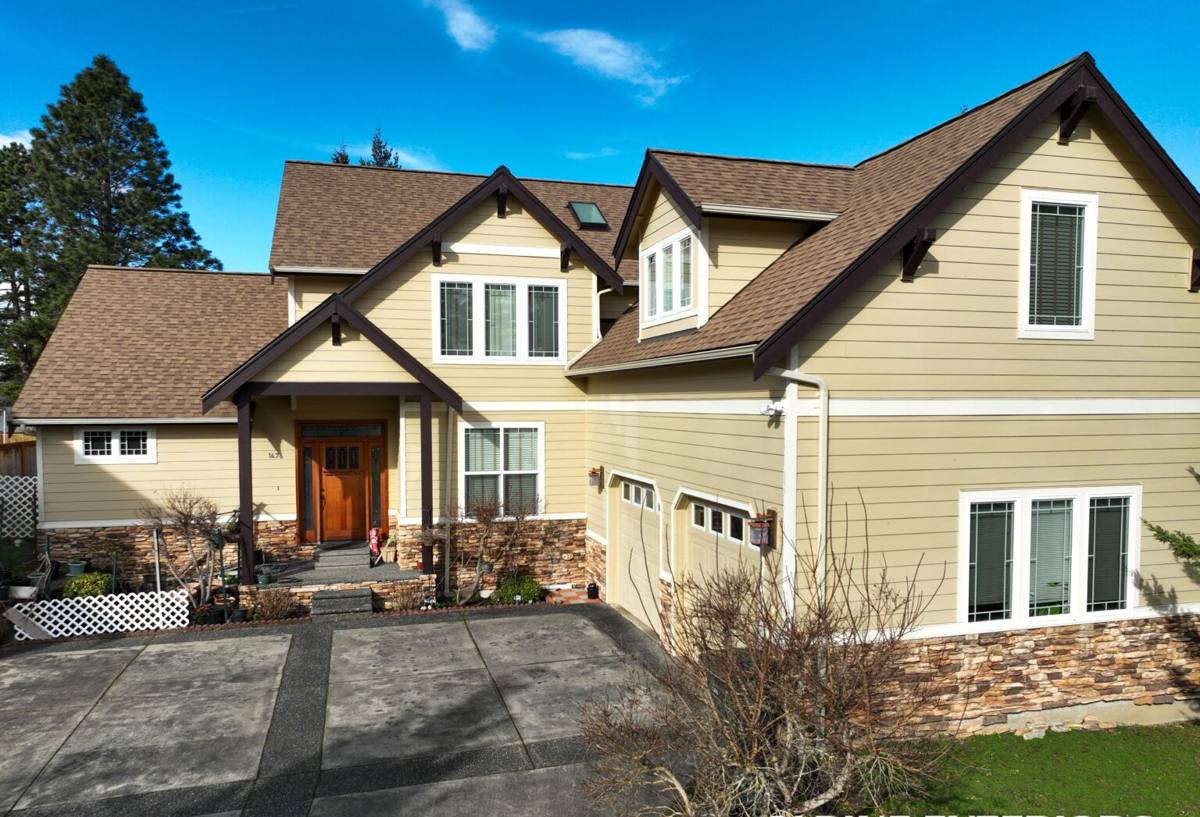
What Salt Air, Rain, and Moss Season Do to a Window Over Time
Salt Air and Hardware Fatigue
Airborne salt from the bay accelerates corrosion on anything metal — window locks, hinges, balance springs, and screen frames. On older aluminum-frame windows, salt exposure also speeds up pitting and oxidation of the frame itself, which is part of why aluminum has largely fallen out of favor for homes this close to the water. Hardware that's corroding on the inside of the frame is hard to spot until it stops working.
Driving Rain and Sill or Flashing Failure
Wind-driven rain doesn't just hit a window straight on — it gets pushed sideways and even slightly upward into gaps that a calmer climate's windows never have to deal with. If the flashing behind the trim or the sealant at the sill was installed even a little wrong, or has simply aged out, that rain finds its way behind the window unit and into the wall framing. This is almost always a slow leak, not a dramatic one, which is exactly why it does so much damage before anyone notices.
Moss Season and Trapped Moisture
The long stretch of cool, wet, low-sun months that keeps moss thriving on roofs and siding does the same thing to window sills, exterior trim, and any wood components. Once moisture gets trapped against wood — behind a poorly sealed sill, under peeling paint, in a gap where caulking has failed — it doesn't dry out quickly. Rot sets in quietly over a season or two, often starting at the bottom corners of the frame where water naturally collects.
Signs It's Time to Replace, Not Repair
Not every window problem means a full replacement. But there's a point where patching stops making sense — where the repair costs start rivaling replacement, or where the underlying issue is bigger than the window itself. Watch for:
- Soft or spongy wood at the sill or lower corners of the frame
- Condensation forming between the panes of a double-pane window (a sign the seal has failed)
- Windows that are difficult to open, close, or lock — especially if this changed gradually
- Visible daylight or a noticeable draft around the frame when it's closed
- A musty or damp smell near the window after rain, even if you can't see obvious water
- Paint that's bubbling or peeling specifically around the window, not the wider wall
- Noticeably higher heating bills with no other explanation
- Frames that are visibly warped, cracked, or no longer sitting flush in the opening
What a Correct Window Replacement Job Actually Involves
Removal and a Real Structural Check
Pulling the old window is the easy part. What matters is what happens once it's out: checking the framing underneath for rot, soft spots, or old water staining before a new window ever goes in. Installing a new window over a compromised opening just hides the problem behind fresh trim — it doesn't fix it. Any damaged framing needs to be cut out and replaced before the new unit is set.
Flashing and Weatherproofing Details
This is where most of the long-term performance of a window replacement actually lives, and it's also where corner-cutting does the most damage. Proper flashing tape and sequencing — so water is always directed outward and downward, never trapped behind a layer — matters more in a driving-rain climate like ours than almost anywhere else in the country. Sill pans, properly lapped house wrap, and correctly applied sealant at the right joints (and not at the wrong ones, where sealant can actually trap water) are what separate a window that lasts twenty-plus years from one that leaks again in five.
Setting, Shimming, and Insulating
A new window has to be plumb, level, and square in the opening, shimmed correctly so it isn't under stress that will eventually crack the frame or bind the hardware. The gap between the window frame and the rough opening gets insulated — usually with low-expansion foam — to cut drafts without bowing the frame inward. Rushed installs skip or rush this step, and it shows up later as a window that's harder to operate or drafty despite being brand new.
Choosing Frame Materials and Glass for This Climate
There's no single "best" window for every home, but some materials hold up more predictably in salt air and constant damp than others. Here's how the common options generally compare for a coastal Whatcom County home:
| Frame Material | Moisture & Salt Air Performance | Maintenance | General Cost Position |
|---|---|---|---|
| Vinyl | Good — won't rust or rot, handles salt air well | Low — no painting or sealing needed | Lower to mid-range |
| Fiberglass | Very good — dimensionally stable, resists warping and corrosion | Low | Mid to higher |
| Wood-clad | Depends heavily on the cladding and install quality; interior wood still needs protection | Higher — periodic finish and seal checks | Higher |
| Aluminum | Weaker in this climate — prone to condensation and corrosion over time near the coast | Moderate | Lower to mid-range |
Beyond the frame, the glass package matters just as much. Most homes in this area do well with dual-pane, low-E coated glass with an argon gas fill, which balances insulation value and moisture resistance without a big cost jump. Triple-pane glass adds further insulation and sound dampening and can be worth it for north-facing rooms or homes closer to the water where wind exposure is higher, but it's a heavier, pricier unit that isn't necessary on every wall of every house. We'll walk through which makes sense room by room rather than defaulting to one answer for the whole home.
Our Process for a Bellingham Window Replacement
- On-site assessment. We look at each window individually — not just the glass, but the sill, trim, and surrounding siding — since problems are often bigger than what's visible from inside.
- Honest estimate. You get a clear breakdown of what's being replaced, what materials are recommended and why, and a straightforward number — no pressure to upsell beyond what the home actually needs.
- Ordering and scheduling. Windows are ordered to the exact opening sizes; we schedule around weather windows since a dry stretch matters for a clean install.
- Removal and structural check. Old units come out, framing gets inspected, and any rot or damage is repaired before anything new goes in.
- Install, flash, and seal. New units are set plumb and square, flashed and sealed to shed water correctly, and insulated around the frame.
- Trim and cleanup. Interior and exterior trim is finished, job site is cleaned, and old windows are hauled off.
- Final walkthrough. We test operation, check the seals, and go over care and warranty coverage before we consider the job done.
Cost Factors to Expect
Every home is different, so a real number only comes from a walk-through, but the factors that move the price up or down are consistent:
| Factor | How It Affects Cost |
|---|---|
| Number of windows and their size | More or larger openings mean more material and labor |
| Frame material chosen | Vinyl is typically the most economical; fiberglass and wood-clad cost more |
| Glass package | Triple-pane and specialty coatings add cost over standard dual-pane low-E |
| Hidden framing repair | Rot or water damage found during removal adds labor and material |
| Access and window height | Second-story or hard-to-reach windows take more time and equipment |
| Full-frame vs. insert replacement | Full-frame replacement costs more but is often the right call when the original frame is compromised |
We'd rather give you a straight, itemized number during the estimate than throw out a ballpark that doesn't hold up once we're actually inside the wall.
Why Hiring a Crew That Already Works Bellingham Matters
Window performance in this climate isn't just about the product — it's about installation detail suited to conditions a crew has actually worked in before. We're based in Blaine and work Bellingham regularly, so we're familiar with the housing stock common to this part of Whatcom County, the way local weather patterns hit different exposures of a home, and the flashing and sealing details that hold up against sustained rain and salt air rather than the milder conditions a lot of generic window install guidance is written for. As a crew that handles roofing and exterior work together, we also pay attention to how a window ties into the siding, trim, and roof drainage around it — leaks often start where two systems meet, not in the middle of either one.
Keeping New Windows Performing Through Every Moss Season
A correctly installed window still needs a little seasonal attention, especially heading into the wetter months. A few habits go a long way:
- Clear debris and moss buildup from window sills and nearby trim before the wet season sets in
- Check caulking annually where the frame meets siding or trim, and touch up any cracked or missing sections
- Keep gutters and downspouts near windows clear so runoff doesn't pool against the wall below them
- Operate each window a few times a year, even ones you don't use often, to keep hardware from seizing
- Wipe down tracks and weep holes so water has a clear path to drain out rather than sitting against the frame
None of this takes long, but skipping it is how even a well-installed window ends up with an avoidable problem a few years down the road.
If your Bellingham home has windows showing any of these signs, or you're just ready to stop losing heat and dealing with drafts every winter, we're happy to come take a look. The estimate is free, there's no pressure, and you'll get a straight answer about what your windows actually need — nothing more, nothing less.