 Blaine Roofing
 Roofing a Sandy Point Home Is Not the Same Job as Roofing Inland
Sandy Point sits close enough to the water that the air itself works against a roof every day of the year. Salt-laden moisture rides in on the wind, settles on shingles and metal components, and never fully lets up the way it might a few miles inland. Add Whatcom County's long wet season, heavy tree cover in parts of the neighborhood, and driving rain that comes in sideways off the water, and you have a roofing environment that punishes shortcuts. A shingle roof that would hold up fine in a drier, more sheltered part of Blaine can wear out years early here if it wasn't built for these conditions from the start.
This page is about one job done right in one place: asphalt shingle roofing for Sandy Point homes. Not a general overview of roofing services — the specific choices, materials, and installation details that matter for houses in this stretch of the county.
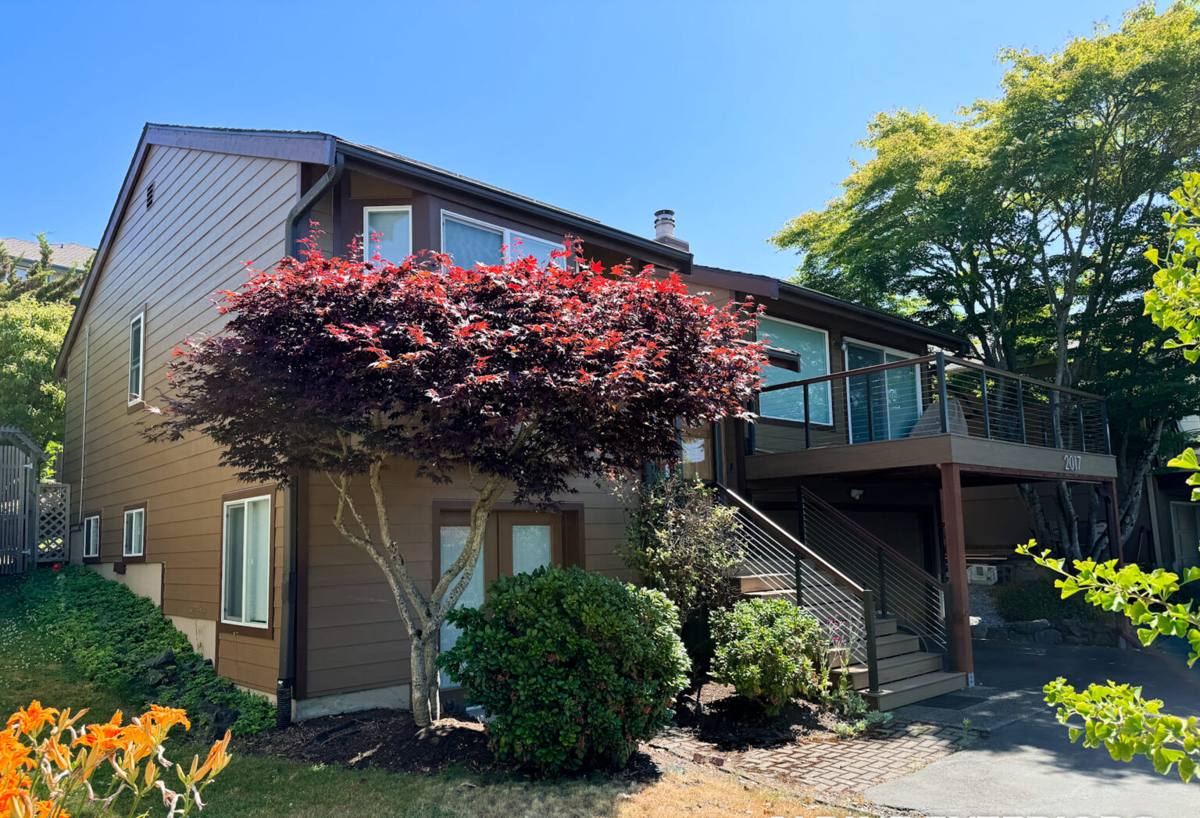
Why Asphalt Shingles Still Make Sense Here
Asphalt shingles remain the most common roofing material in this part of Washington for good reason. They're proven in wet, windy, marine-influenced climates, they're serviceable in sections rather than requiring a full tear-off for every repair, and the range of product grades lets a homeowner match the roof to their budget and how long they plan to own the home. The key is that "asphalt shingle roof" isn't one product — it's a category, and the grade, underlayment system, and installation quality determine whether it lasts 15 years or 30 in a coastal setting like Sandy Point.
What Changes Near the Water
Standard-grade shingles rated for a generic climate don't always account for near-constant moisture exposure and salt air accelerating corrosion on fasteners and flashing. For Sandy Point homes we lean toward shingle lines with stronger algae resistance and heavier laminate construction, paired with corrosion-resistant fasteners and flashing metals suited to salt exposure. It costs a bit more up front. It costs a lot less over the life of the roof.
The Three Things Wearing Down Sandy Point Roofs
Salt Air
Salt-laden air is corrosive to exposed metal — nails, flashing, vent housings, gutter hardware. On a roof built with standard fasteners and thin-gauge flashing, that corrosion shows up as rust streaking, weakened fastener holds, and flashing failures at valleys and penetrations well before the shingles themselves are worn out.
Driving Rain and Wind
Storms off the water don't fall straight down — wind pushes rain sideways and up under shingle edges, ridge caps, and anywhere flashing isn't sealed correctly. A roof here needs proper wind-rated shingle installation (correct nail placement and count, not just "enough nails") and sealed underlayment details at every edge, not just adequate coverage on the open field of the roof.
Moss and Shade
Wherever tree cover keeps a roof slope shaded and damp longer through the day, moss gets a foothold. Moss holds moisture against the shingle surface, works into granule loss over time, and can lift shingle edges as it grows. Whatcom County's long wet season gives moss months to establish itself on north-facing and heavily shaded slopes before summer dries things out.
What a Correct Installation Actually Includes
A shingle roof is a system, not a single layer of material. Skipping or downgrading any part of the system is where premature failures start, especially in a climate this demanding.
- Deck inspection and repair — any soft, delaminated, or water-stained sheathing gets replaced before new material goes down, not covered over.
- Ice-and-water or synthetic underlayment at eaves, valleys, and vulnerable transitions, matched to the exposure of that particular roof.
- Corrosion-resistant flashing at all valleys, walls, chimneys, and penetrations — this is where salt-air corrosion shows up first if the wrong metal is used.
- Balanced attic ventilation (intake at the eaves, exhaust at the ridge) so moisture doesn't get trapped under the deck, which accelerates rot and shortens shingle life from underneath.
- Manufacturer-spec fastening — correct nail type, length, and placement for the wind exposure of that specific roof slope.
- Proper ridge, hip, and starter course detailing, since these edges are where wind-driven rain finds its way in first.
Our Process, Start to Finish
1. On-Site Assessment
We look at the whole system — deck condition, existing ventilation, flashing condition, moss and shade exposure on each slope, and how the home is oriented to prevailing wind and rain. Two roofs on the same street can need different specs depending on tree cover and exposure.
2. A Written, Specific Estimate
You get a plan that names the shingle product, underlayment system, flashing approach, and ventilation work — not a vague line item for "roofing." You should know exactly what's going on your roof before we start.
3. Careful Tear-Off and Deck Check
Old material comes off down to the deck so we can actually see what's underneath. Any repairs get addressed before anything new is installed — never covered over.
4. Installation to Spec
Underlayment, flashing, shingles, and ventilation go in as designed, with attention to the wind and rain exposure specific to that roof's orientation.
5. Final Walkthrough
We walk the finished roof and the property with you, confirm cleanup, and go over care and what to watch for going forward.
Shingle Options for a Marine-Exposed Roof
Not every shingle grade is worth the same thing on a roof this close to the water. Here's how the common tiers compare for a Sandy Point application specifically:
| Shingle Type | Typical Lifespan Here | Best Fit | Trade-Offs |
|---|---|---|---|
| 3-tab (standard) | Shorter end of rated life in coastal exposure | Budget-driven projects, secondary structures | Lower wind rating, less algae resistance, thinner profile shows wear sooner |
| Architectural / laminate | Solid performance with proper install | Most Sandy Point primary homes | Higher upfront cost than 3-tab, but far better wind and moisture performance |
| Impact-rated / premium laminate | Longest-rated option in this category | Exposed lots, homes wanting maximum interval between re-roofs | Highest material cost; benefit is most noticeable on fully exposed, wind-heavy sites |
Within any of these tiers, we favor products with stronger algae-resistant granule treatments given how much shade and moisture parts of Sandy Point get through the wet season.
Signs a Sandy Point Roof Needs a Closer Look
Because so many homes in this area are used seasonally or checked less frequently than a full-time residence, roof problems can go unnoticed longer here than elsewhere. Worth checking for, or asking us to check for you:
- Moss or dark streaking on shaded slopes, especially north-facing sections
- Granules collecting in gutters or at downspout outlets
- Shingle edges that look lifted, curled, or cupped
- Rust staining below metal flashing, vents, or valleys
- Soft spots or sagging visible from the ground
- Daylight or water staining in the attic, especially near valleys and penetrations
- Missing or displaced shingles after a windstorm
A Note on Moss Removal
Pressure washing shingles to remove moss does more damage than the moss itself — it strips protective granules and shortens the roof's remaining life. Moss should be treated gently and the underlying shade or ventilation issue addressed, not blasted off.
Why Local Experience in Sandy Point Specifically Matters
A roofing crew that already works this neighborhood knows things a crew coming from outside the area has to learn on your project: how narrow and private some of the access roads are and what that means for material delivery and staging, how shade patterns from mature trees affect moss growth slope by slope, and how much salt exposure a given lot actually gets based on its distance from the water and its orientation. That local pattern recognition shows up in fewer surprises mid-project and a spec that's right the first time, rather than adjusted after the fact.
It also matters for accountability. We're a Blaine-based crew working Whatcom County day in and day out — if a question comes up on a roof we installed, we're not far away and not hard to reach.
Maintenance That Actually Extends the Roof's Life
A correctly installed asphalt shingle roof in this climate still benefits from periodic attention:
- Clear gutters and downspouts before the wet season so water isn't backing up under the eaves
- Trim back branches that shade roof slopes and keep them damp longer than necessary
- Have flashing and valleys checked every few years, since that's where salt-air corrosion shows up first
- Address moss early and gently rather than letting it establish over multiple seasons
- After any significant windstorm, do a visual check for lifted or missing shingles
None of this requires a major service call every year — it's a short list that, done consistently, is the difference between a roof that reaches its full rated life and one that needs early repairs.
Get a Straightforward Estimate
If you're planning a new roof, replacing an aging one, or just want an honest read on what shape your current roof is in, we're happy to take a look. The estimate is free, there's no pressure attached to it, and you'll get a clear explanation of what your roof actually needs — use the form below to get started.