 Blaine Roofing
 Storm Damage Roof Repair Built for Custer's Weather
Custer sits in the open, low farmland between Blaine and Birch Bay, and that open exposure changes how storms hit a roof here compared to a house tucked into town. Wind moves faster and more consistently across flat fields and pasture than it does through a built-up neighborhood, and it carries salt air off the nearby bays with it. Add Whatcom County's long, wet winters and the moss season that follows, and you get roofs that take a different kind of cumulative beating than roofs twenty minutes south in Bellingham. Storm damage repair out here isn't just patching a hole — it's understanding how wind, salt, and moisture stack on top of each other on a rural or semi-rural property.
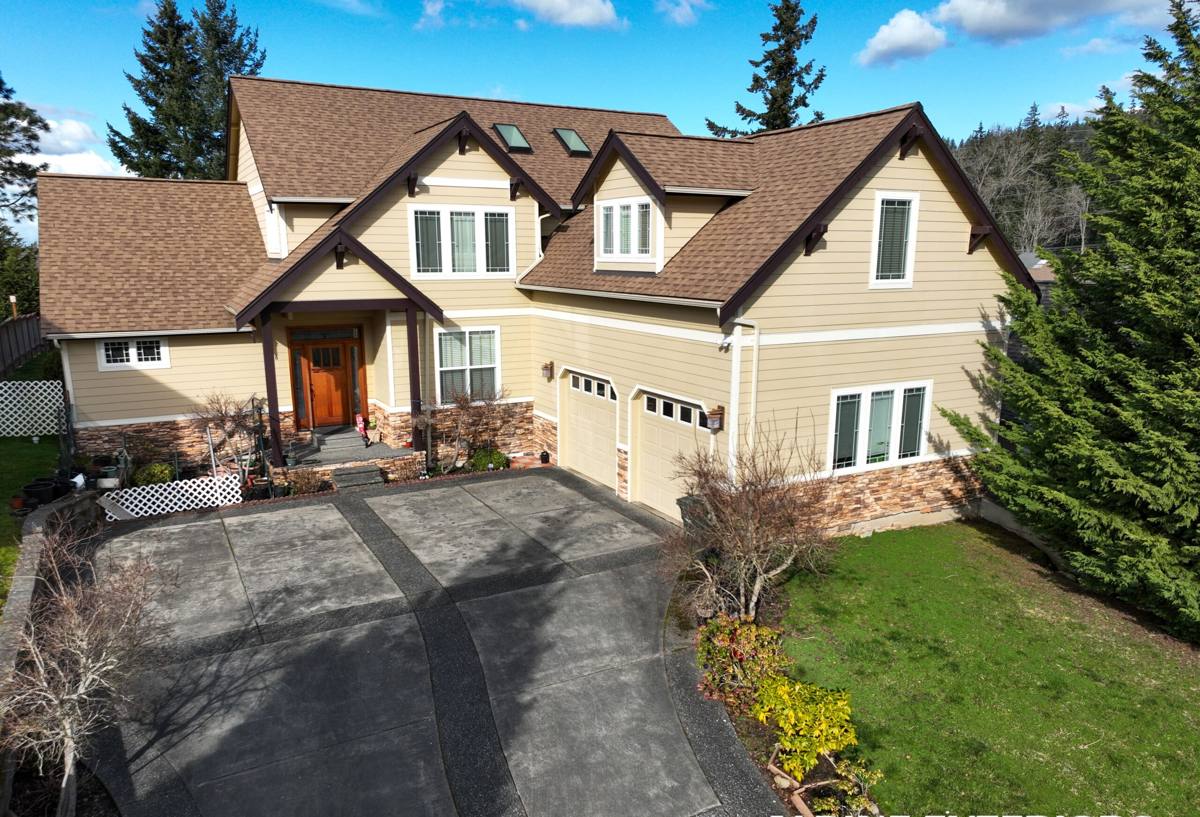
What Storm Damage Actually Looks Like on a Custer Roof
Not every storm leaves an obvious mark. Some of the most expensive damage starts small and gets ignored because nothing is visibly broken. When we inspect a roof after a wind or rain event in this area, we're looking for a specific set of problems:
- Shingles that have been lifted and re-seated by wind but not torn off — the seal is broken even though the shingle looks intact
- Granule loss from wind-driven rain, which shows up as bare, shiny patches on older shingles
- Flashing around chimneys, vents, and valleys pushed loose or bent by gusts
- Debris punctures from branches or blown material, especially on tree-lined and acreage properties common around Custer
- Edges and low spots where moss has already loosened shingle tabs before the storm even hit, making that section far more likely to fail
- Water intrusion at fasteners and nail heads that corrode faster this close to salt air
The lifted-but-not-torn shingle is the one homeowners miss most often. It looks fine from the ground, but the adhesive seal is broken, and the next rain finds its way underneath. That's how a wind event in October turns into a ceiling stain in January.
Why Salt Air, Rain, and Moss Compound the Damage
Salt Air and Metal Fatigue
Homes near Blaine and Custer sit close enough to the water that salt-laden air reaches roofs even without a direct ocean view. Salt accelerates corrosion on exposed fasteners, flashing seams, and metal roof edges. A fastener that would last decades further inland can start to weep rust and loosen years earlier out here, and a loose fastener is an open door for wind to get a grip on a shingle.
Driving Rain and Wind-Driven Water
Whatcom County storms rarely fall straight down. Wind pushes rain sideways and up under laps, ridge caps, and flashing that were never designed to shed water horizontally. On a property with open field exposure, that wind-driven angle is more extreme and more frequent than it would be on a sheltered in-town lot.
The Long Moss Season
Moss doesn't just look bad — it holds moisture against the roof surface for months at a time and works its way under shingle tabs, prying them up millimeters at a time. A roof that goes into storm season with moss already established is a roof that loses shingles faster in the same wind that a clean roof would shrug off. Out here, with tree cover on many lots and a wet, mild climate that barely gives moss a dormant period, that season runs long.
Doing the Repair Right vs. Doing It Fast
After a storm, homeowners are often choosing between a fast patch and a repair that actually holds. Both have their place, but they solve different problems.
| Approach | What It Solves | What It Doesn't Solve |
|---|---|---|
| Emergency tarp-down | Stops active water intrusion immediately | Not a permanent fix; still needs follow-up repair |
| Spot shingle replacement | Fixes isolated wind or debris damage | Won't address underlying moss, worn flashing, or a failing seal nearby |
| Flashing and seal repair | Stops the most common source of slow leaks | Doesn't replace shingles already past their service life |
| Full section re-roof | Addresses widespread wind, moss, or age damage in one go | Costs more upfront than a targeted patch |
The honest answer for most storm calls in Custer is a targeted repair — replace what the storm actually damaged, correct any flashing or moss-related weak points nearby, and leave the rest of a sound roof alone. We only recommend more than that when the roof's age or condition means a patch would just be delaying the same call next winter.
How Our Storm Damage Process Works
1. Immediate Response and Tarping
If water is actively getting in, the first job is stopping it — a proper tarp-down secured to the roof structure, not just draped over the damaged area, buys time without causing more damage to the decking underneath.
2. Full Roof Inspection, Not Just the Obvious Spot
We check the entire roof, not just the area you noticed. Wind damage rarely shows up in only one place, and a storm that lifted shingles on the windward slope often stressed flashing or seals elsewhere too.
3. Plain-Language Documentation
We document what we find with photos and a clear written summary of cause and extent — the kind of record that holds up whether you're filing an insurance claim or just want to know exactly what you're paying for.
4. Repair Matched to the Damage
We repair to match your existing roofing where a full section replacement isn't warranted, and we're upfront when a repair isn't the responsible long-term answer.
5. Cleanup and Walkthrough
Debris and old material get hauled off, and we walk the finished work with you before we call it done.
Materials and Methods for This Climate
Storm repairs on a Custer roof need to hold up to the same conditions that caused the damage in the first place, not just look fixed for a season.
Flashing
We favor corrosion-resistant flashing details at chimneys, valleys, and vent penetrations given the salt air exposure this close to the water. Cutting corners on flashing is the single most common cause of repeat leak calls we see on older repairs done elsewhere.
Fasteners and Sealants
We use fasteners and sealant products rated for coastal-adjacent exposure rather than standard interior-grade hardware, since standard fasteners corrode noticeably faster out here.
Moss Treatment as Part of the Repair
When a repair area shows moss growth, we treat and clear it as part of the job rather than repairing around it. Sealing a shingle back down over active moss just guarantees the same lift-and-leak cycle returns within a season or two.
What About Insurance?
Most homeowner policies cover sudden storm damage — wind, falling debris, wind-driven rain intrusion — though coverage details, deductibles, and exclusions vary by policy and carrier. We're not insurance adjusters and won't promise a specific claim outcome, but we can give you a clear, honest inspection report and photo documentation that you can hand directly to your adjuster. That documentation matters most when damage isn't dramatic — an adjuster is far more likely to approve a claim for lifted-but-intact shingles when there's a clear before-and-after record than when it's just a verbal description.
Reducing the Next Storm's Damage
You can't stop a Whatcom County storm from coming through, but you can reduce what it does to your roof. A few habits make a real difference on properties like the ones around Custer:
- Keep gutters and downspouts clear before winter storm season starts — overflow drives water under the roof edge
- Trim back tree limbs that overhang the roof, since falling and rubbing branches are a leading cause of storm-related punctures on tree-lined lots
- Address moss early in the season rather than waiting for spring — a moss-free roof sheds wind-driven rain far better
- Have loose or aging flashing corrected before it becomes a leak, not after
- Get a post-storm inspection after any significant wind event, even if nothing looks wrong from the ground
Why It Matters That We Already Work in Custer
A crew that already works this specific stretch of Whatcom County knows what a Custer roof is up against before they climb the ladder — the open-field wind exposure, the salt air drifting in off Semiahmoo and Birch Bay, and how long moss actually stays active here compared to further inland. That familiarity shows up in the speed of an honest diagnosis and in not over-selling a repair the roof doesn't need. We treat every storm call the same way we'd want our own roof handled — fix what's actually damaged, flag what's genuinely close behind it, and leave the rest alone.
If a recent storm left you with a leak, a missing shingle, or just a nagging feeling you should get the roof checked, we're glad to take a look. The estimate is free, there's no pressure to sign anything on the spot, and you'll get a straight answer about what the roof actually needs — use the form below to get on the schedule.