 Blaine Roofing
 Siding Replacement in Cherry Point: When a Repair No Longer Makes Sense
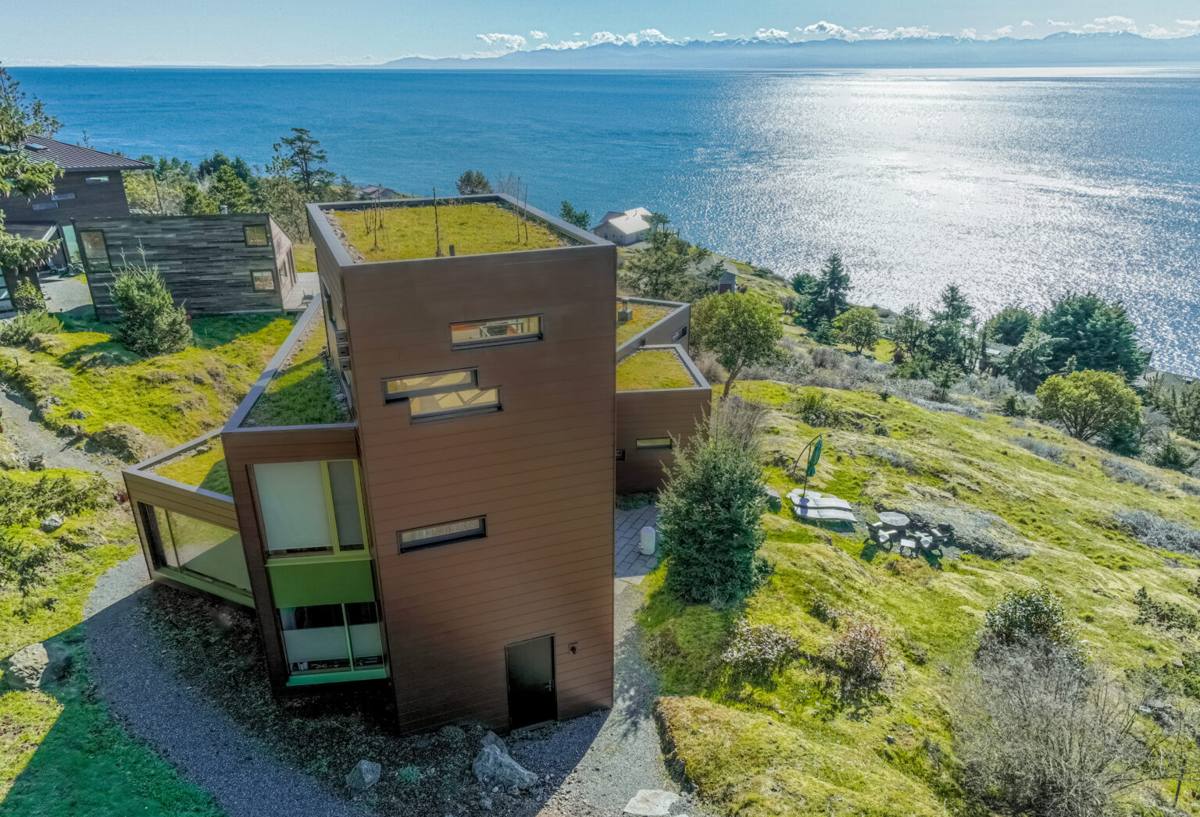
Cherry Point sits on one of the more exposed stretches of shoreline near Blaine, facing the Strait of Georgia with little in the way of trees, bluffs, or neighboring structures to break the wind before it reaches a house. That kind of open exposure is different from what a home sees a few miles inland, and it changes the calculation on when a siding problem is worth patching versus when the smarter, more honest answer is a full replacement. This page is specifically about siding replacement for Cherry Point homes — not general siding installation, not repair work, but the decision point where a homeowner is looking at aging or damaged siding and needs to know what a correct, full replacement actually involves and why it matters to hire a crew that already understands this particular stretch of Whatcom County coastline.
We install siding, roofing, windows, and decks, and on the siding side we install James Hardie fiber cement exclusively. That standard shapes everything below, from the products we won't put on a Cherry Point home to the details we won't skip during a tear-off.
What Cherry Point's Shoreline Exposure Does to Siding Over Time
Salt Air With Nowhere to Break It
Homes facing the Strait of Georgia at Cherry Point take on salt-laden air more directly than homes set back from the water or shielded by rising terrain elsewhere in Whatcom County. That salt exposure accelerates corrosion on fasteners, flashing, and any exposed metal trim, and it wears down lower-grade paints and coatings faster than a typical inland exposure. Over enough winters, that steady corrosion is what turns small, fixable issues into the kind of widespread deterioration that a patch can't reasonably address.
Driving Rain With Little Wind Cover
Without much natural windbreak, storms coming off the water tend to hit Cherry Point homes at a real angle rather than falling straight down. Wind-driven rain gets pushed sideways into siding joints, trim transitions, and anywhere the original installation left even a small gap. That's a harder condition on a wall assembly than the same total rainfall would be in a sheltered spot, and it's usually the reason moisture problems on a Cherry Point home show up sooner, and in more places, than a homeowner expects.
A Long Moss Season
Mild temperatures and near-constant moisture off the water add up to a moss and mildew season that can run most of the year on shaded or north-facing walls. Any siding material with even slight surface porosity becomes a growth surface over time, and on an exposed point like this, that dampness doesn't dry out between storms the way it might on a more sheltered inland wall.
Signs a Cherry Point Home Needs Full Replacement, Not a Patch
Repair makes sense when damage is isolated, the substrate behind the siding is still sound, and the rest of the wall is performing as it should. Replacement becomes the honest recommendation once damage is widespread, the sheathing or framing behind the siding has started absorbing moisture, or the existing material is simply at the end of what it can be expected to do. On an exposed property like Cherry Point, that line tends to get crossed sooner than it would on a more sheltered lot, because the same driving rain and salt exposure that wear down the siding are also working on everything behind it.
- Soft, spongy, or delaminating siding in multiple areas, not just one isolated spot
- Visible warping, cupping, or buckling across whole wall sections
- Paint or coating failure that keeps returning within a year or two of repainting
- Staining, soft trim, or a musty smell that suggests moisture has reached the wall sheathing
- Rust streaking from corroded fasteners or trim hardware
- Persistent moss or mildew growth that returns quickly after cleaning
- Siding that's simply old enough that patching one section only highlights how tired the rest looks
Any one of these on its own might point to a repair. Several of them together, especially on walls that face the water directly, usually mean the whole assembly has been under stress for a while and a patch would just be delaying the same decision a year or two down the road.
What a Correct Siding Replacement Actually Involves
Tear-Off and a Real Look at the Sheathing
A proper replacement starts with removing the existing siding entirely, not overlaying new material on top of old. That's the only way to actually see the condition of the wall sheathing and framing underneath, which matters a lot on an exposed property where moisture may have been working its way in for longer than the visible siding damage suggested. Any soft or compromised sheathing gets identified and addressed before anything new goes up — skipping this step just seals the same problem behind a new, better-looking surface.
Rebuilding the Drainage Plane, Not Just Reskinning
A weather-resistive barrier and a rain screen gap behind the new siding give any moisture that does get past the exterior surface a way to drain and evaporate instead of sitting against the sheathing. On a wall that faces Cherry Point's open water exposure directly, this drainage plane is doing real work, not just meeting a checkbox on a spec sheet, and it's one of the details that's much easier to get right during a full replacement than it ever would be trying to retrofit around existing siding.
Fastening and Flashing to Spec
James Hardie specifies fastener type, spacing, and placement for a reason, and correct flashing at every window, door, and trim transition is what actually keeps wind-driven rain from finding its way behind the cladding. These are the details that are invisible once the job is finished and the first ones to get shortcut on a rushed or underbid job — and on an exposed point like this, they're also the details that determine whether the new siding lasts as long as it should.
Why We Replace With James Hardie Fiber Cement — and Nothing Else
We used to install a wider range of siding products. We narrowed that down after seeing, repeatedly, what actually held up on tear-offs and service calls in exposed, high-moisture spots like Cherry Point versus what looked fine on a spec sheet and struggled a few winters into real coastal weather. We don't install LP SmartSide, vinyl siding, Cemplank, Allura, primed spruce, or cedar. Each has a place in the market, and plenty of homeowners are satisfied with them in more sheltered conditions. But on a property facing this much direct salt air and wind-driven rain, we've made a professional call to stand behind one system rather than offer something cheaper that quietly shifts maintenance risk onto the homeowner.
James Hardie's fiber cement is non-combustible, which matters for both safety and insurance considerations, and it doesn't swell, cup, or warp the way engineered wood products can after repeated wet-weather exposure. The ColorPlus finish is baked on at the factory rather than field-applied, so it holds its color and integrity longer against fading and salt exposure than site-applied paint typically does. Hardie's climate-engineered HZ product lines are built specifically for regions with sustained moisture, which describes Cherry Point about as well as anywhere in the county, and the product carries a strong transferable warranty when the installation follows manufacturer spec — which is exactly what we follow on every replacement.
Our Replacement Process, Step by Step
- On-site assessment: We walk the property, look at the existing siding and any visible substrate damage, and give a straightforward read on whether repair or full replacement is the honest call.
- Site protection: Landscaping, walkways, and anything near the work area gets protected before tear-off begins.
- Full tear-off and sheathing inspection: Old siding comes off completely so we can see exactly what condition the wall is in underneath.
- Substrate repair where needed: Any soft or moisture-damaged sheathing or framing gets addressed before new material goes up, not covered over.
- Weather-resistive barrier and rain screen installation: The drainage plane goes in correctly, built for the wind-driven rain this property actually faces.
- James Hardie siding and trim installation: Installed to manufacturer spec on fastening, spacing, and flashing at every joint and penetration.
- Final walkthrough and cleanup: We inspect the finished work with the homeowner and leave the site clean.
Cost Factors and Timing for a Cherry Point Siding Replacement
| Factor | What Drives It | Cherry Point Consideration |
|---|---|---|
| Home size and wall complexity | Square footage, number of corners, dormers, and trim details | More surface area exposed to salt air and driving rain |
| Substrate condition | Whether sheathing or framing repair is needed once old siding is off | More likely on walls that have faced the water directly for years |
| Material and trim scope | Siding profile, trim style, and any accent details chosen | None specific — mostly homeowner preference |
| Access and site conditions | Property layout, staging space, and existing landscaping | Open, exposed lots are often easier to stage than tightly wooded ones |
These are general drivers, not a quote — the only way to give a real number is to walk the property and, in many cases, see what's actually behind the old siding once tear-off starts. On timing, Whatcom County's wettest, windiest stretch generally runs from late fall through winter, and Cherry Point's open exposure makes that stretch a little harder on both the house and the crew than more sheltered parts of the county. Spring and summer tend to offer the most stable working conditions for a full replacement, since fiber cement, house wrap, and flashing sealants all perform better when they can be installed and cure under dry conditions. That said, a home with active moisture intrusion is worth addressing on its own timeline rather than waiting out the calendar for ideal weather.
Why Hiring a Crew That Already Works Cherry Point Matters
A crew that only occasionally passes through an exposed spot like Cherry Point doesn't get the same repeated exposure to how salt air, wind-driven rain, and a long moss season actually behave on real walls here over a full year. That familiarity shapes practical decisions on install day — which walls take the most direct hit from the water, where extra flashing attention is worth the added time, and which fastener choices hold up rather than corrode early. It also means fewer surprises once tear-off starts, because a crew that's opened up walls on this stretch of shoreline before has a good sense of what they're likely to find behind older siding facing this kind of exposure.
Get a Free, No-Pressure Estimate
If your Cherry Point home has siding that's showing its age or taking on damage from years of direct exposure to the water, we're glad to take a look and give you a straightforward, honest read on repair versus full replacement. Reach out using the form below to schedule a free estimate — no pressure, no upsell script.