 Blaine Roofing
 Blaine Harbor Roofs Work Harder Than Most
Homes around Blaine Harbor sit right where Semiahmoo Bay weather meets everyday Whatcom County wet-season rain, and that combination is tough on a roof. Salt-laden air off the water accelerates corrosion on fasteners, flashing, and any exposed metal. Driving rain, often pushed sideways by wind off the water, tests every seam and lap in a roofing system. And the tree cover and shaded, damp conditions common in this part of Blaine give moss months of head start each year. A roof replacement here isn't just about swapping old shingles for new ones — it's about building a system that's matched to those three specific stresses.
We work on homes in this area regularly, so this page focuses specifically on what a roof replacement should look like for a Blaine Harbor property, not a generic overview of roofing in general.
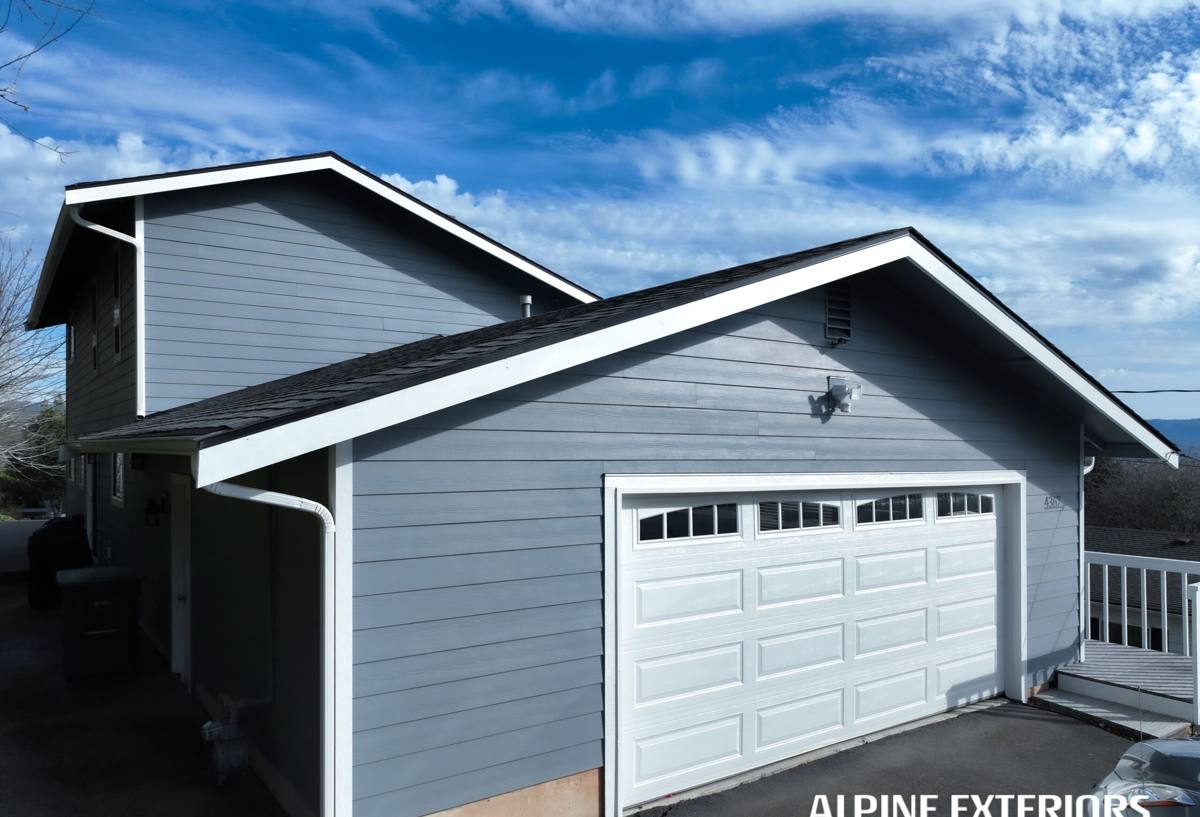
How Salt Air, Rain, and Moss Actually Damage a Roof
Salt Air and Corrosion
Airborne salt from the harbor settles on roofing metal — flashing, drip edge, fasteners, vent caps — and speeds up oxidation. Once corrosion starts on a nail head or a flashing seam, it doesn't stay cosmetic for long; it creates tiny gaps and weak points where water starts working its way in. Homes closer to the water see this faster than homes a few miles inland, which is why material and fastener choice matters more here than in a lot of other parts of the county.
Driving Rain
Wind-driven rain doesn't just fall straight down — it gets pushed under shingle edges, into exposed nail holes, and along poorly lapped flashing. A roof that would hold up fine in calmer conditions can still leak in Blaine Harbor if the underlayment, flashing details, and shingle exposure aren't installed with that wind pattern in mind.
Moss and Prolonged Moisture
Shaded roof sections and north-facing slopes stay damp longer through Whatcom County's wet months, and moss takes hold in that moisture. Moss isn't just an appearance issue — its root structure lifts shingle edges, holds water against the roof deck, and shortens the life of the roofing material underneath it.
Signs a Repair Won't Cut It Anymore
Not every roof problem means full replacement, but certain signs point that direction, especially on a coastal property:
- Granule loss heavy enough that shingles look patchy or bald in sun-exposed areas
- Soft or spongy spots on the roof deck, usually found during a repair inspection
- Flashing that's visibly corroded, cracked, or pulling away at chimneys, vents, and wall intersections
- Moss or algae staining that keeps coming back within a season or two of cleaning
- Multiple past repairs in different areas of the same roof
- Interior signs — ceiling stains, musty attic smell, or visible daylight through the roof deck
- A roof approaching or past its expected lifespan for its material, especially with visible wear
If you're only seeing one isolated issue, a targeted repair may still make sense. Replacement becomes the right call once the roof is dealing with several of these at once, or once the underlying deck and structure are affected rather than just the surface layer.
What a Correct Roof Replacement Involves
A roof replacement built for this location isn't just "new shingles, same layout." A few things we treat as non-negotiable on Blaine Harbor homes:
Full Tear-Off and Deck Inspection
We remove the old roofing down to the deck rather than layering over it. That's the only way to actually see and address moisture damage, soft sheathing, or corrosion that's been hidden under the old material — issues that are more common here given the moisture exposure.
Upgraded Underlayment
Given the wind-driven rain this area sees, we treat underlayment as a real second line of defense, not a formality. That means synthetic underlayment with proper overlap, and self-adhered membrane in the areas most prone to wind-driven water intrusion — eaves, valleys, and low-slope transitions.
Flashing Built for Salt Exposure
Flashing material and fastener selection matter more this close to the water. We use flashing and fasteners suited to coastal exposure at chimneys, vent penetrations, sidewalls, and valleys, since these are the points where corrosion-driven failures show up first.
Ventilation That Fights Moisture, Not Just Heat
Proper intake and exhaust ventilation keeps moisture from building up in the attic space, which matters as much for mold and rot prevention here as it does for temperature control. A roof replacement is the right time to correct undersized or blocked ventilation.
Material Options for a Coastal Blaine Roof
There's no single "best" roofing material for every home — it depends on your budget, roof pitch, and how exposed the property is to wind and salt air. Here's how the common options stack up for this specific environment:
| Material | Moss Resistance | Salt Air / Corrosion Notes | Wind-Driven Rain Performance |
|---|---|---|---|
| Standard 3-tab asphalt shingle | Moderate — benefits from regular cleaning | Fasteners and flashing need coastal-grade selection | Adequate with proper underlayment; lower wind rating than architectural |
| Architectural (laminate) shingle | Good, especially algae-resistant lines | Same flashing/fastener considerations as 3-tab | Stronger wind rating, better seal-down in gusty conditions |
| Metal roofing | Very good — sheds moisture and doesn't hold moss root structure | Requires coastal-rated coating and fasteners; without it, corrosion risk is higher | Excellent when properly fastened and sealed |
| Cedar shake | Poor without diligent maintenance — holds moisture | Fasteners need to be corrosion-resistant; requires more upkeep near the water | Fair; more installation-sensitive than shingle or metal |
We'll walk through these trade-offs in person based on your roof's slope, sun exposure, and how close you are to the water — a north-facing, shaded roof a block from the harbor has different needs than a sun-exposed roof further inland in Blaine.
Our Roof Replacement Process
The process is straightforward, and we keep it that way on purpose:
- On-site inspection and estimate — we look at the current roof, deck condition where visible, ventilation, and flashing points, and give you a written estimate with material options.
- Material selection — we go over the trade-offs above based on your home's exposure and your budget, no upselling on materials your roof doesn't need.
- Scheduling and permitting — we handle the permit process and give you a realistic timeline, accounting for typical Whatcom County weather windows.
- Tear-off and deck repair — full removal of old roofing, with any damaged decking replaced before new material goes down.
- Underlayment, flashing, and installation — installed to the standards described above, not just manufacturer minimums.
- Final walkthrough and cleanup — magnetic sweep for nails, debris removal, and a walkthrough so you know exactly what was done and what warranty coverage applies.
Roof Replacement Checklist for Blaine Harbor Homeowners
Whoever you hire, these are worth confirming before work starts:
- Full tear-off to the deck, not an overlay — especially important given the moisture exposure here
- Written scope covering underlayment type and coverage in valleys and eaves
- Flashing material and fasteners specified for coastal/corrosion resistance
- Ventilation assessed and corrected if intake or exhaust is inadequate
- Permit pulled through the appropriate local jurisdiction
- Clear manufacturer warranty terms and separate workmanship warranty in writing
- A cleanup and nail-sweep plan included in the scope, not treated as an afterthought
Why Local Experience in Blaine Harbor Matters
A roofing crew that hasn't worked this specific area can still do competent work, but they're guessing at things a Blaine Harbor-experienced crew already knows: which slopes on homes near the harbor stay shaded and moss-prone longest, how far wind-driven rain typically pushes water under poorly lapped shingles in this exposure, and which flashing and fastener grades hold up against the salt air instead of corroding within a few years. That local pattern recognition shows up in fewer callbacks and a roof that's actually built for the conditions it will face, not just built to code minimums.
We also know the practical side — realistic scheduling around Whatcom County's wetter stretches, and permitting steps for work in and around Blaine.
Caring for Your Roof After Replacement
A new roof still needs some seasonal attention in this climate. Keep gutters and downspouts clear so water isn't backing up under the roof edge, especially during the wetter months. Watch shaded, north-facing sections for early moss regrowth and have it removed gently before it takes hold — pressure washing shingles can do more harm than the moss itself, so soft washing or manual removal is the safer approach. If you notice a fastener, flashing seam, or vent boot that looks off, especially after a windy storm off the water, get it looked at before it becomes a leak. Routine attention like this is what lets a properly installed roof reach its full expected lifespan instead of an early replacement.
If your roof in Blaine Harbor is showing wear, has had repeated repairs, or you're just not sure whether it's a repair or replacement situation, we're happy to come take a look. The estimate is free, there's no pressure to commit on the spot, and you'll get a straight answer about what your roof actually needs — use the form below to get started.