 Blaine Roofing
 Building New in Peace Arch: Windows Are Not an Afterthought
If you're framing a new home or major addition in the Peace Arch area of Blaine, the window package is one of the few decisions that determines how the house performs for the next 30 years. Get it right during rough framing and the house stays dry, quiet, and efficient with almost no maintenance. Get it wrong, and the mistakes get sealed behind siding and trim where nobody sees them until there's a stain on the drywall or soft sheathing at a corner. New-construction windows aren't just "windows installed in a new house" — they're a different installation method than replacement work, and the method matters more here than in a lot of places because of what this corner of Whatcom County throws at a building envelope.
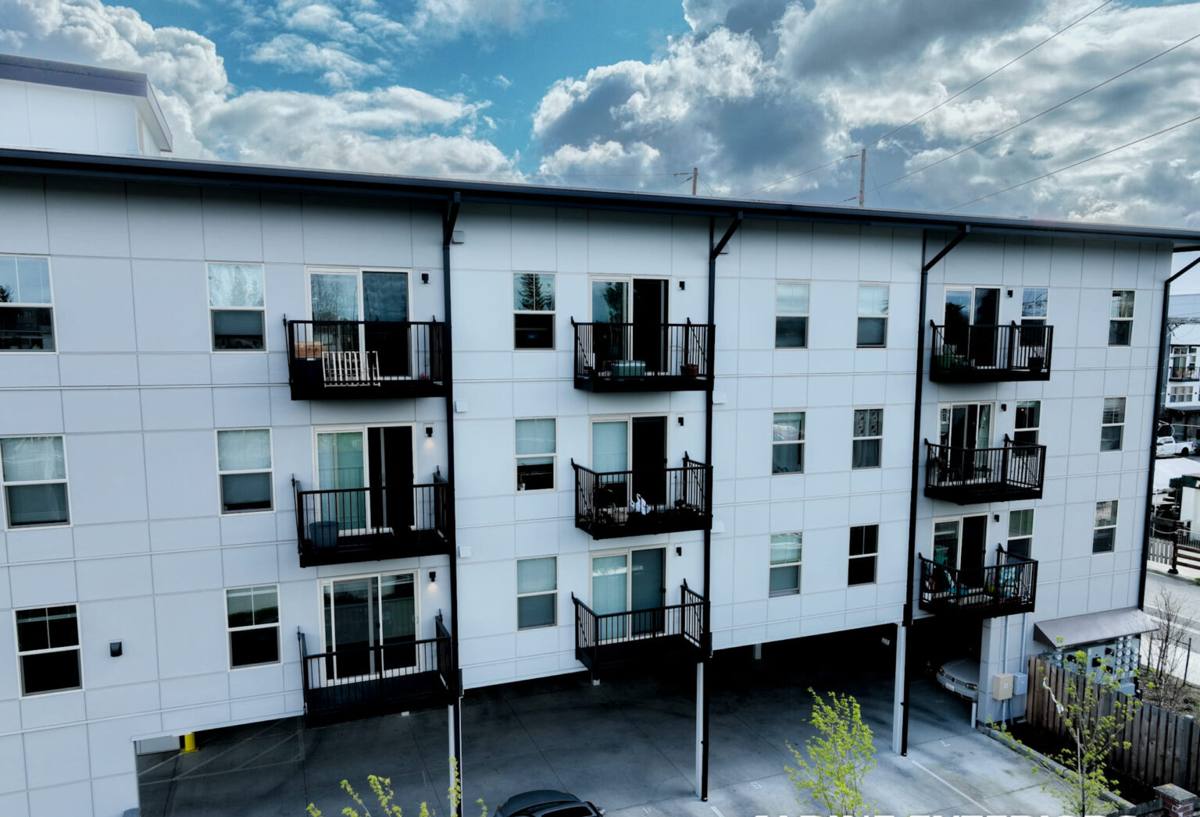
What Peace Arch's Climate Actually Does to a Window Opening
Blaine sits right on the water at the US-Canada border, and Peace Arch homes catch the full effect of that location: salt-laden air off the Strait of Georgia, wind-driven rain that comes in sideways rather than straight down, and a wet season that stretches long enough to grow moss on anything that stays damp. None of that is exotic — it's just persistent, and persistence is what finds the gaps in a mediocre install.
- Salt air accelerates corrosion on exposed fasteners, low-grade flashing, and unprotected metal trim — it doesn't damage glass or vinyl frames directly, but it shortens the life of anything metal that isn't rated or protected for a marine-adjacent environment.
- Driving rain pushes water sideways and upward under wind pressure, which means a window opening has to shed water that's moving in directions gravity-only flashing details were never designed for.
- Long wet seasons keep sills, trim, and cladding damp for weeks at a time, which is exactly the environment moss and mildew need. Wood trim and poorly ventilated sills are the first places it shows up.
None of these are reasons to avoid building here — they're just the design constraints. A new-construction window package for Peace Arch should be specified and installed with all three in mind from the start, not patched later.
New-Construction vs. Replacement: Why the Method Matters
New-construction windows have a nailing flange that fastens directly to the sheathing before siding goes on, and the opening is built into the wall system rather than fit into an existing frame. That gives a builder one real advantage: full access to the rough opening, house wrap, and flashing layers before anything is closed in. It's also the only chance to get the water management right, because once siding and trim cover the opening, those layers are permanently hidden.
The tradeoff is that new-construction installs demand more sequencing discipline. The window has to go in at the right point relative to house wrap, flashing tape, and sill pan work — not before, not after. A crew that's used to replacement work (cutting into finished walls) doesn't automatically know new-construction flashing sequence, and it's a different skill set even though both jobs involve "installing a window."
What a Correct Rough Opening Sequence Looks Like
- Sill pan flashing installed first, sloped slightly to the exterior so any water that gets past the window drains back out rather than pooling on the sheathing.
- House wrap integrated so the top flap laps over the window's top flange later — never taped down before the window is set, which traps water inside the wall.
- Window set into the opening, checked for level, plumb, and square, and fastened per the manufacturer's schedule — not "however many nails fit."
- Side and top flanges flashed with tape or self-adhered membrane in the correct shingle-lap order: sides before top, top last, so every layer sheds water onto the layer below it.
- Sealant placed only where the manufacturer specifies — sealing the wrong gap can trap moisture instead of keeping it out.
That sequence sounds simple written out, but it's the single most common place we find shortcuts on new builds we're called in to fix or inspect — usually a top flange taped down before the house wrap lap, or a missing sill pan, both of which look fine on install day and both of which cause hidden leaks two or three winters later.
Materials That Make Sense for This Climate
There's no single "best" window material — the right choice depends on budget, maintenance appetite, and how exposed the elevation is. For a Peace Arch build, the elevations facing the water or open wind fetch deserve more attention to frame material and glazing than a sheltered interior courtyard window would.
| Frame Material | Coastal / Salt-Air Performance | Maintenance | Typical Fit |
|---|---|---|---|
| Vinyl | Good — won't corrode or rot, some flexing in extreme temperature swings | Low — occasional cleaning | Most new-construction homes, best value |
| Fiberglass | Very good — dimensionally stable, resists moisture and salt exposure well | Low | Exposed elevations, larger openings, higher-end builds |
| Wood-clad | Fair — the clad exterior handles weather, but any breach in the cladding exposes wood to rot risk | Higher — needs the cladding and seals inspected periodically | Interior or sheltered elevations where the wood interior look matters |
| Aluminum | Poor without marine-grade coatings — prone to corrosion and condensation in this climate | Higher | Generally not our recommendation for this location |
On glazing, we spec dual-pane with a low-E coating and argon fill as the baseline for new builds here — it's the standard that balances energy performance, condensation resistance, and cost for the Pacific Northwest. On elevations that take direct wind-driven rain, we also pay closer attention to the window's design pressure (DP) rating, since a unit rated for calmer exposure can leak under sustained wind pressure even if it's installed correctly.
How We Handle New-Construction Windows for Peace Arch Builds
We coordinate directly with the builder or general contractor rather than working in isolation, because window timing has to match the framing and house wrap schedule exactly.
- Rough opening check: we verify openings are square, correctly sized, and structurally sound before any window goes in — catching a framing error now is a lot cheaper than catching it after siding is on.
- Sill pan and flashing plan: we flash every opening the same disciplined way regardless of elevation, because wind direction on a coastal lot can shift enough that "sheltered" sides aren't always sheltered.
- Manufacturer-spec installation: fastening schedule, shim placement, and sealant locations follow the window manufacturer's instructions, which is also what keeps the manufacturer's warranty valid.
- Final water-test mindset: before trim and siding close things in, we walk every opening one more time. It's the last point where a flashing mistake is cheap to fix instead of a future leak.
Signs an Install Was Rushed
If you're vetting any contractor for new-construction window work, these are the shortcuts that cause the most callbacks — worth asking about directly, even with us.
- No sill pan flashing — just caulk at the bottom of the opening.
- House wrap taped over the top flange before the window was set, instead of lapped after.
- Sealant used to "fix" flashing gaps instead of proper shingle-lap taping.
- Fasteners driven at random spacing instead of the manufacturer's schedule.
- No follow-up check of the openings before siding closes them in.
Why Local Experience in Peace Arch Specifically Matters
Blaine and the Peace Arch area sit close enough to open water that wind exposure varies a lot from lot to lot — a builder working from a generic Pacific Northwest playbook can still under-spec flashing or glazing for a specific elevation. A crew that's done window work across Whatcom County knows which sides of a new build tend to take the worst of the driving rain in this corridor, where moss takes hold fastest on trim and sills, and how salt air shortens the practical lifespan of unprotected fasteners and metal flashing if the wrong grade gets used. That local pattern recognition doesn't replace following manufacturer instructions — it's what tells us where to be extra careful within those instructions.
What to Expect After Move-In
A correctly installed new-construction window in this climate should need very little from you: periodic cleaning of tracks and weep holes so they don't clog with debris, an occasional look at exterior sealant lines for cracking, and keeping gutters and downspouts clear so roof runoff isn't dumping extra water onto upper window openings. Vinyl and fiberglass frames don't need painting or sealing. If you went with a wood-clad option on any elevation, plan on checking the cladding and trim seals every year or two, since that's the one material in the table above with a maintenance schedule attached to it.
Get a Straightforward Estimate
If you're planning a new build or major addition in the Peace Arch area, we're glad to walk the plans with you, talk through frame and glazing options for your specific elevations, and give you a straightforward estimate — no pressure, no upsell. Use the form below to get started.