 Blaine Roofing
 Building a Deck That Actually Belongs in Sumas
A deck in Sumas has to earn its keep. Between long stretches of driving rain, humidity that never fully lets up, and a moss season that seems to start earlier every year, this part of Whatcom County is not a forgiving place for a poorly built outdoor structure. We've built and repaired decks throughout the area long enough to know that what works in a drier climate often fails here within a few seasons — and we build differently because of it.
This page is about one thing: deck building for homes in and around Sumas, and what it actually takes to get it right in this specific climate. Not a generic "here's what a deck is" overview — the real considerations that separate a deck that lasts from one that starts showing problems by year three.
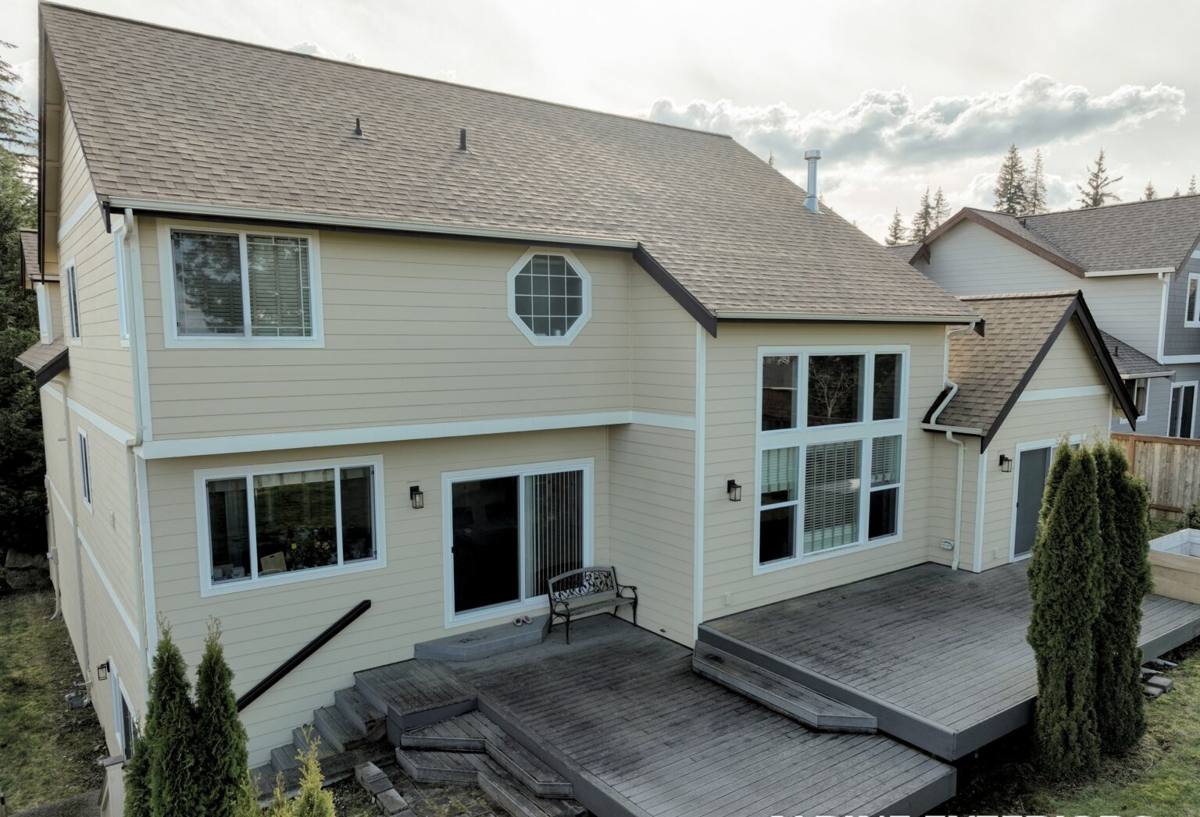
What the Local Climate Actually Does to a Deck
Most homeowners understand that it rains a lot here. Fewer think through what sustained moisture, salt-tinged marine air, and shaded, damp corners of a property do to lumber, fasteners, and finishes over time. It's worth being specific:
- Driving rain gets pushed sideways by wind, which means water reaches surfaces a "normal" rain wouldn't — ledger boards, the undersides of rail caps, and joints where two pieces of decking meet.
- Persistent dampness keeps wood at a higher moisture content for more of the year, which accelerates rot in anything that isn't properly treated, sealed, or naturally moisture-resistant.
- Moss and algae take hold anywhere sunlight is limited and moisture lingers — north-facing decks, areas under tree cover, and the gaps between boards where debris collects.
- Marine and coastal air in this part of Whatcom County accelerates corrosion on fasteners and hardware that aren't rated for it, leading to rust streaks, weakened connections, and premature failure at exactly the points holding the structure together.
None of this means a deck can't last for decades in Sumas. It means the build has to account for these conditions from the framing up, not just at the surface.
Where Most Deck Problems Actually Start
The Ledger Connection
The ledger board — where the deck attaches to the house — is the single most common failure point we see on older or poorly built decks in this region. If it isn't properly flashed to shed water away from the house framing, moisture works its way behind the ledger and rots both the deck attachment and the wall structure behind it. This is invisible from the outside until the damage is significant, which is exactly why it has to be done correctly the first time.
Fasteners and Hardware
Cutting corners on fasteners is one of the most common shortcuts we see, and it's one of the worst places to cut them. Standard hardware corrodes faster in this climate, and corroding fasteners don't just look bad — they lose holding strength exactly where the structure depends on them most.
Board Spacing and Drainage
Decking installed too tight, or without attention to how water and debris move across and between boards, holds moisture longer than it should. That moisture is what feeds moss, softens wood fiber over time, and shortens the life of an otherwise well-built deck.
Footings and Frost
Footings need to be sized and set to local frost depth requirements and soil conditions, not guessed at. A footing that shifts over a wet winter can throw an entire structure out of level, which then puts uneven stress on framing connections.
Decking Material: What Actually Holds Up Here
There's no single "correct" decking material for every homeowner — it depends on budget, maintenance appetite, and how the deck will be used. What matters is choosing with this climate in mind rather than picking based on looks alone. Here's an honest comparison of the main options we work with:
| Material | Moisture Performance | Moss/Algae Resistance | Maintenance Needed |
|---|---|---|---|
| Pressure-treated wood | Good if properly sealed and maintained; vulnerable if neglected | Moderate — requires regular cleaning | Annual cleaning and periodic re-sealing |
| Cedar | Naturally moisture and decay resistant, but still needs care | Moderate | Periodic cleaning and finish maintenance |
| Composite decking | Very good — doesn't absorb moisture like wood | Good, though surface algae can still form and needs washing | Occasional washing, no sealing or staining |
| PVC/capped polymer decking | Excellent — fully moisture resistant | Good | Low — periodic washing only |
Composite and capped polymer products tend to make sense for homeowners who want to spend less time maintaining the deck and more time using it, since they don't take on moisture the way wood does. Wood and cedar remain solid choices for homeowners who prefer the natural look and are willing to keep up with sealing and cleaning on a regular schedule. We'll walk through the honest trade-offs of each for your specific property rather than pushing one option across the board.
What Correct Deck Building Looks Like Step by Step
1. Site and Structural Assessment
We look at drainage on the property, sun exposure, proximity to trees or shaded areas prone to moss, and how the deck will tie into the existing structure. This shapes decisions on framing, footing placement, and material selection before any building starts.
2. Ledger Flashing Done Properly
Correct flashing at the ledger board — sequenced so water is always directed away from the house, never trapped against it — is non-negotiable on every deck we build.
3. Framing With the Right Hardware
We use fasteners and structural hardware rated for the moisture and corrosion exposure typical of this area, not generic hardware chosen to save a few dollars on the job.
4. Footings Set to Spec
Footings are sized and placed according to local building code and soil conditions, not shortcuts based on what's fastest.
5. Decking Installed With Drainage in Mind
Board spacing and layout account for water shedding and airflow underneath, reducing the conditions that let moss and rot take hold.
6. Railings and Stairs to Code
Guardrail height, baluster spacing, and stair geometry are built to current code requirements — not just what looks acceptable.
7. Final Walkthrough
We walk the finished deck with the homeowner, cover basic maintenance expectations for the material chosen, and answer questions before calling the job done.
Permits, Code, and Doing It the Right Way
Deck construction in Whatcom County is generally subject to permitting and inspection requirements once a deck exceeds certain size or height thresholds, and guardrail and stair code requirements apply regardless of size once a deck reaches a certain height off grade. We handle the permitting conversation as part of the process rather than leaving homeowners to sort it out — it's a normal part of building a deck correctly, not an extra hurdle.
Why a Crew That Works This Area Specifically Matters
A deck contractor who mainly builds in drier inland climates, or who treats every job the same regardless of region, is more likely to miss the details that matter here: the flashing sequence that actually keeps a Whatcom County ledger board dry, the hardware that won't corrode in a coastal-influenced climate, or the layout choices that keep moss from taking over a shaded deck. Working regularly in and around Blaine and Sumas means we've already seen how decks built different ways hold up — or don't — after several wet seasons. That experience shapes every build decision, not just the ones that are visible on day one.
Keeping a Deck Healthy Once It's Built
Even a well-built deck needs some ongoing attention in this climate. A few habits go a long way toward protecting the investment:
- Sweep debris off the deck surface regularly, especially in fall when leaves and needles accumulate between boards.
- Rinse or scrub visible moss and algae growth before it spreads, particularly on shaded or north-facing sections.
- Check the ledger board area and any wall-facing connections periodically for signs of water staining or soft wood.
- Reseal or restain wood decking on the schedule recommended for the specific product used — don't wait until it's visibly failing.
- Keep gutters and downspouts near the deck clear so runoff isn't being directed onto or under the structure.
- Have loose railings, wobbly stairs, or soft-feeling boards looked at promptly rather than waiting for a bigger repair.
Signs Your Existing Deck Needs Attention
If you already have a deck in Sumas, it's worth knowing what to watch for before a small issue becomes a structural one:
- Soft or spongy spots underfoot, especially near the house or around posts
- Persistent moss or dark staining that comes back quickly after cleaning
- Rust streaks around fasteners or visible corrosion on hardware
- Gaps opening up between the ledger board and the house siding
- Railings or stair stringers that feel loose or move under normal use
- Standing water that doesn't drain within a reasonable time after rain
Any of these can usually be addressed while they're still manageable — waiting rarely makes the fix smaller.
Let's Talk About Your Deck
Whether you're planning a new deck, replacing an aging one, or trying to figure out if what you have can be repaired, we're happy to walk the property, talk through honest options, and give you a straightforward estimate — no pressure, no upsell. Fill out the form below and we'll get in touch to schedule a time that works.