 Blaine Roofing
 Custer Roofs Work Harder Than Most
Custer sits close enough to the water that salt air is a constant in the mix, and Whatcom County's weather doesn't do a roof any favors on top of that. Wind-driven rain off the Strait, long wet stretches through fall and winter, and a moss season that seems to run nine or ten months out of the year all put steady pressure on a roof system. None of this is dramatic on any single day. It's the accumulation that causes trouble — a roof that was installed correctly and maintained will shrug off this climate for decades. One that was rushed or cut corners on ventilation and flashing will show problems in years, not decades.
A new roof installation in Custer isn't just about swapping old material for new. It's about building the system underneath so it actually holds up to salt exposure, sustained moisture, and moss growth that never fully stops. That's the standard we hold every installation to.
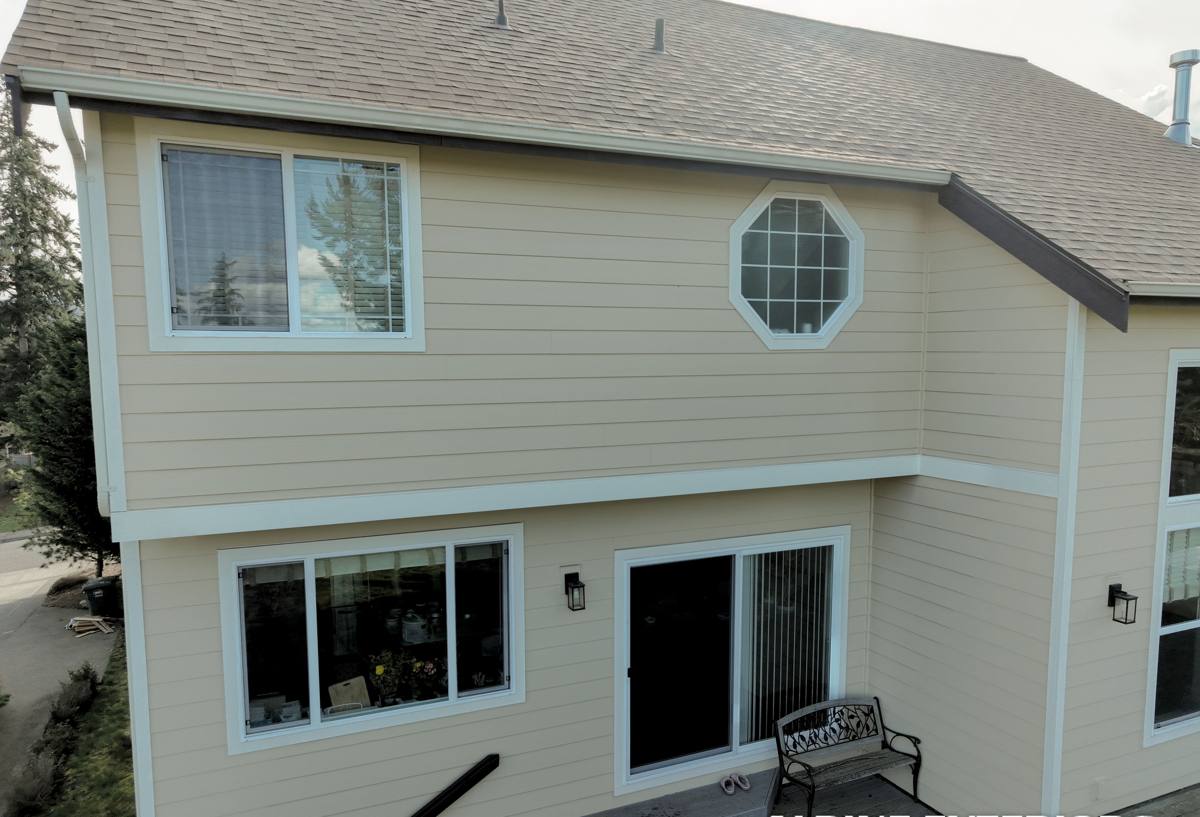
What Salt Air, Rain, and Moss Actually Do to a Roof
Salt Air
Airborne salt accelerates corrosion on anything metal — flashing, fasteners, drip edge, vents, and gutters. Cheaper or mismatched metal components can start pitting and rusting well before the shingles themselves show wear. This is why fastener and flashing material selection matters as much as the shingle brand on the roof.
Driving Rain
Wind-driven rain doesn't just fall straight down — it gets pushed sideways and upward under edges, around penetrations, and into any gap in the flashing detail. A roof built for a drier or calmer climate often relies on shortcuts that simply don't hold up once wind direction changes mid-storm. Every transition point — valleys, chimneys, skylights, wall intersections — needs to be treated as a place water will actively try to get in, not just where it might.
Moss
Moss thrives in shade, moisture, and mild temperatures — which describes a huge share of the calendar here. Moss holds water against the roof surface, works into shingle layers, and can lift edges over time, giving wind and rain an opening they wouldn't otherwise have. A roof that isn't designed to shed water and dry out between rain events will grow moss faster and suffer more damage from it.
What a Correct New Roof Installation Involves
A proper installation is built in layers, and each one has a job. Skipping or rushing any layer is where roofs start failing early — usually in ways that aren't visible until there's already interior damage.
- Full tear-off: Old material removed down to the deck so nothing is layered over an existing problem.
- Deck inspection and repair: Any soft, delaminated, or water-damaged sheathing gets replaced before anything new goes down.
- Ice and water barrier: Applied at eaves, valleys, and around penetrations — the areas most exposed to driving rain and standing moisture.
- Synthetic underlayment: A full water-resistant layer across the deck, not just felt paper, for a stronger secondary barrier under the roofing material.
- Flashing: New flashing at every valley, wall, chimney, and penetration — using corrosion-resistant material suited to salt air exposure.
- Ventilation: Balanced intake and exhaust so the attic and roof deck can actually dry out between wet stretches.
- Roofing material installation: Set to manufacturer spec with correct nailing pattern and exposure — not a "close enough" install.
- Ridge and hip finishing: Capped and sealed correctly, since this is one of the most common places for wind-driven rain to find a way in.
Choosing Materials for a Custer Climate
There's no single "best" roofing material for every home — it depends on budget, roof pitch, home style, and how much upkeep an owner wants to take on. What matters here is picking a material and installing it in a way that accounts for salt air, sustained rain, and moss pressure.
| Material | How It Handles This Climate | Maintenance Consideration |
|---|---|---|
| Architectural asphalt shingles | Strong wind and rain performance when installed with proper underlayment and flashing; widely used and cost-effective | Benefits from periodic moss treatment and gutter cleaning |
| Metal roofing | Sheds water and moss buildup very effectively; long service life | Requires corrosion-resistant fasteners and coatings near salt air; higher upfront cost |
| Cedar shake | Traditional look but holds moisture longer, which increases moss and rot risk in this climate | Needs more frequent inspection and treatment to manage moisture retention |
| Synthetic/composite shingles | Resists moisture absorption better than wood; consistent performance in wet climates | Lower maintenance than cedar, moderate cost |
We'll walk through these trade-offs honestly during an estimate — including where a lower-maintenance material might save more in the long run than it costs upfront.
Ventilation: The Step Most Roofs Skip
Ventilation doesn't get much attention because it isn't visible once the job is done, but it's one of the biggest factors in how long a roof lasts here. Without balanced intake and exhaust airflow, heat and moisture get trapped under the roof deck. That trapped moisture is exactly what moss, mold, and premature shingle deterioration need to take hold. In a climate where the roof rarely gets a long stretch to fully dry out on its own, proper attic ventilation is what allows the roof system to reset between rain events instead of staying damp for weeks at a time.
We size and balance ventilation to each roof's actual structure — not a generic formula — because an under-vented roof in this climate will show moss and deck problems years before it should.
Our Installation Process
- On-site assessment: We inspect the existing roof, decking condition, ventilation, and any problem areas specific to the home.
- Material and scope walkthrough: We go over material options, expected lifespan, and a clear scope of work — no surprise add-ons mid-job.
- Scheduling around weather: We plan installation windows with Whatcom County's rain patterns in mind to protect the open deck during the tear-off phase.
- Tear-off and deck repair: Old roofing removed, deck inspected, and any damaged sheathing replaced.
- Underlayment, flashing, and ventilation installed: The system underneath the roofing material is built to the standards above.
- Roofing material installation: Installed to manufacturer specification with attention to wind and rain exposure specific to this area.
- Final walkthrough: We review the completed roof with the homeowner and confirm everything meets the agreed scope.
What Affects the Cost of a New Roof in Custer
| Factor | Why It Matters Here |
|---|---|
| Roof size and pitch | Steeper or larger roofs require more material and labor time |
| Deck condition | Moisture-related decking repair is common on older roofs in this climate and adds material and labor |
| Material choice | Asphalt, metal, and composite options vary significantly in upfront cost and long-term maintenance |
| Ventilation upgrades | Bringing older attics up to proper intake/exhaust balance is often necessary and worth the investment |
| Flashing and penetrations | Homes with chimneys, skylights, or multiple roof planes need more detail work at transitions |
We give straightforward, itemized estimates so homeowners can see exactly what they're paying for — not a vague lump-sum number.
Why a Crew That Already Works Custer Matters
A roofing crew that regularly works this specific stretch of Whatcom County already knows how salt air behaves on fasteners and flashing, how wind-driven rain moves across different roof pitches near the water, and how aggressive moss growth gets during the wet months. That's not something you get from a general install checklist — it comes from doing the work here repeatedly and paying attention to what actually holds up. It also means a crew that's easy to reach for follow-up questions or warranty concerns, rather than a company that installs once and moves on.
Before You Get a Roofing Estimate
A few things worth checking or asking about before committing to any roofing contractor for a new roof installation:
- Does the estimate include full tear-off, or does it allow layering over old material?
- Is deck repair priced separately, or is it a vague "if needed" line item with no real number attached?
- What underlayment and flashing materials are specified, not just the shingle or metal brand?
- Is attic ventilation being assessed and addressed, or just the visible roofing surface?
- Is the contractor licensed and insured in Washington, and can they provide proof directly?
- Does the quote spell out the warranty on both materials and workmanship separately?
If you're weighing a new roof for a Custer home, we're happy to take a look and walk you through what your roof actually needs — no pressure, no pushy sales pitch. Fill out the form below for a free estimate.