 Blaine Roofing
 Windows Near California Creek Take a Different Kind of Beating
Homes along California Creek sit close enough to Semiahmoo Bay and Drayton Harbor that salt-laden air is a daily fact of life, not an occasional nuisance. Add Whatcom County's driving winter rain, coming in sideways off Georgia Strait more often than most homeowners expect, and a moss season that can run from October through April, and you've got three separate stresses working on every window opening in the house at once. None of these are dramatic events. They're slow, cumulative, and they show up years later as soft trim, fogged glass, or a window that won't latch square anymore.
A window installed the same way you'd install one in a dry inland climate will eventually fail here — not because the window itself is bad, but because the flashing, sealant, and drainage details weren't built for this exposure. Window installation for California Creek homes has to account for salt corrosion on hardware and fasteners, sustained wind-driven moisture at the rough opening, and the slow-growing moss and algae that trap dampness against siding and trim long after a storm has passed.
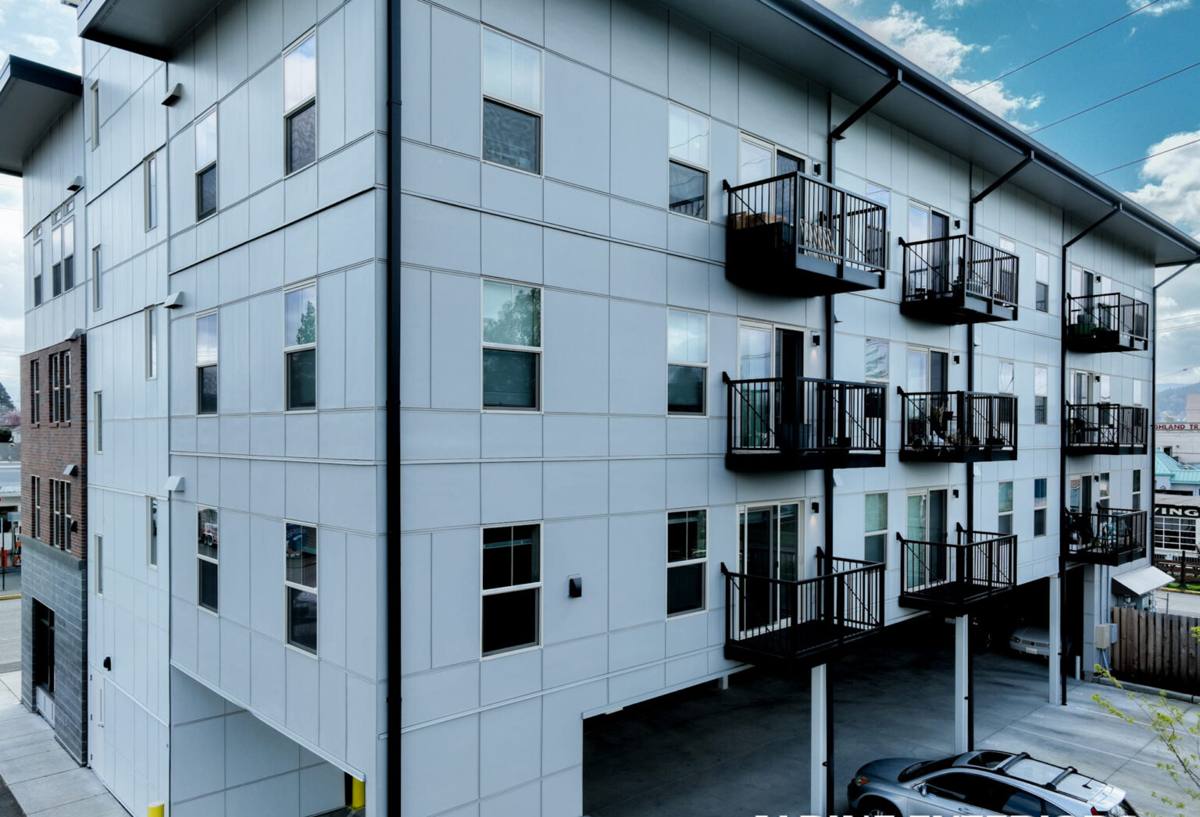
What Salt Air, Rain, and Moss Actually Do to a Window Opening
Salt Air and Hardware
Airborne salt accelerates corrosion on anything metal — screws, hinges, cranks, and cladding fasteners. Standard fasteners can start showing rust streaks and pitting years before they would inland. Once a fastener corrodes, it loses holding power, and a window that used to sit tight in its opening starts to shift, which opens gaps for water.
Driving Rain and Flashing
Wind-driven rain doesn't just fall on a window, it gets pushed sideways into the joint between the window frame and the wall. If the flashing isn't lapped correctly — building paper or weather-resistive barrier over the top flashing, and the sill pan sloped and sealed at the corners — water finds its way behind the trim and into the wall cavity. This is almost always a slow leak, discovered only after rot has already started.
Moss and Prolonged Moisture
Moss and algae thrive in the shaded, damp conditions common on north- and west-facing walls near the creek. They hold moisture against wood trim and window sills long after the rain has stopped, which is exactly the condition that leads to soft, rotted sills and peeling paint around the frame.
Signs Your Current Windows Are Losing the Fight
- Fogging or a milky film between the panes of a double-pane window — the seal has failed and the gas fill is gone
- Soft or spongy wood at the sill or bottom corners of the trim
- Rust streaks below hinges, cranks, or cladding screws
- Visible moss or dark green-black staining on trim, especially on shaded elevations
- Drafts you can feel with a hand near the frame on a windy day
- A window that's become hard to open, close, or latch — often a sign the frame has shifted
- Paint that's bubbling or peeling specifically around the window opening, not the wall generally
Any one of these on its own isn't an emergency. Two or three together, especially on the same window, usually means moisture has already gotten past the exterior finish.
What a Correct Installation Actually Involves Here
The window unit itself matters less than most homeowners assume. What determines whether a window lasts in this climate is almost entirely in the installation details — the parts you can't see once the trim goes back on.
Sill Pan and Flashing Sequence
Every opening should get a sloped, sealed sill pan before the window ever goes in, so any water that does get past the exterior finish drains back out instead of pooling against the framing. Flashing tape and building paper need to be layered shingle-style — each layer overlapping the one below it — so water is always directed outward and down, never trapped behind a seam.
Sealant Selection and Placement
Not every exterior sealant holds up to constant salt exposure and UV. We use sealants rated for the movement and weathering this coastline sees, and we're deliberate about where sealant goes and where it doesn't — a fully sealed perimeter with no weep path can trap water inside the wall just as badly as a gap left open.
Fasteners and Hardware
Corrosion-resistant fasteners are worth the small extra cost on any home within a mile or two of the water. It's a detail that costs almost nothing at install time and saves a callback five years down the road.
Insulation and Air Sealing
The gap between the window frame and rough opening needs to be filled with a low-expansion foam or backer rod and sealant — never packed tight with fiberglass insulation alone, which does nothing to stop air and moisture movement.
Choosing Frame Materials for This Climate
There's no single "best" window material — the right choice depends on the wall's exposure, your budget, and how much upkeep you want to take on. Here's how the common options generally hold up near the creek:
| Frame Material | Salt Air Performance | Maintenance | Notes |
|---|---|---|---|
| Vinyl | Good — won't corrode or rust | Low | Budget-friendly; quality varies a lot between manufacturers |
| Fiberglass | Very good — dimensionally stable, resists corrosion | Low | Handles temperature swings and moisture well; higher upfront cost |
| Aluminum-clad wood | Fair to good, depends on cladding quality | Moderate | Attractive interior wood look; cladding seams need good detailing |
| Solid wood | Poor without diligent upkeep | High | We're honest with clients that this is a demanding choice this close to salt air and rain — it can work, but only with consistent repainting and sealing |
For most homes near California Creek, vinyl or fiberglass frames offer the best balance of durability and low upkeep. Wood and wood-clad options can still look great, but they need an owner who's genuinely willing to keep up with repainting and resealing on a schedule.
Glass Packages Worth Asking About
Beyond the frame, the glass package affects comfort and condensation resistance more than most homeowners expect in a marine climate. Look for double- or triple-pane units with a low-E coating and argon or krypton gas fill — this combination cuts down on interior condensation during cold, damp stretches and helps keep heating costs down through our long wet winters. Warm-edge spacers (rather than older aluminum spacers) also reduce the cold spot at the glass edge where condensation tends to start first.
Our Installation Process
- On-site assessment — we check the existing opening, framing condition, and any signs of past moisture intrusion before quoting anything
- Removal and inspection — old windows come out carefully, and we inspect the rough opening and sill for hidden rot or damage before proceeding
- Repair as needed — any soft or damaged framing gets repaired, not covered over
- Sill pan and flashing — sloped sill pan installed first, then flashing layered shingle-style with the weather-resistive barrier
- Window installation and leveling — unit is set plumb, level, and square, then fastened with corrosion-resistant hardware
- Sealing and insulation — perimeter gap filled and sealed with attention to proper weep paths
- Interior and exterior trim — trim reinstalled or replaced, caulked, and painted to match
- Final walkthrough — we check operation, seal quality, and cleanup with you before we call it done
Retrofit Replacement vs. Full-Frame Replacement
Not every window needs to come out down to the studs. If the existing frame and flashing are sound, an insert (retrofit) replacement — where the new window is fitted into the existing frame — can be a faster, less invasive option. But if there's any sign of rot, past leaks, or the flashing was never done correctly to begin with, a full-frame replacement is the only way to actually fix the problem instead of sealing it back up behind new trim. Part of our assessment is telling you honestly which situation you're in, even when the retrofit option would be the easier sale.
What to Ask Before Hiring Anyone for This Work
- Will you install a sloped sill pan on every opening, not just the ones that look like they need it?
- What fasteners and sealants do you use, and are they rated for coastal/marine exposure?
- Do you inspect the rough opening for existing rot before installing, or just install over what's there?
- What's the warranty on labor, separate from the manufacturer's warranty on the window itself?
- Have you worked on homes in this specific area, and do you understand what the exposure here demands?
A contractor who can answer these clearly and specifically, without hedging, is telling you something real about how they work.
Why Local Experience on This Coastline Matters
Window installation isn't a one-size-fits-all trade. A crew that mostly works dry, inland jobs may do fine work by general standards and still miss the details that matter specifically here — the sill pan slope, the flashing lap sequence, the fastener choice — because those details only become obvious once you've seen what salt air and driving rain do to a job that skipped them. We work on homes throughout Blaine and Whatcom County, including the properties along California Creek, and we've seen firsthand what holds up on this coastline and what doesn't. That's not a marketing line — it's the reason we do sill pans and flashing sequencing the same way on every single job, no shortcuts, regardless of what the budget conversation looks like.
If you're noticing drafts, fogged glass, or soft trim around your windows — or you're planning ahead for a remodel — we're happy to take a look and give you a straightforward, no-pressure estimate. Use the form below to get in touch and we'll set up a time to come out.