 Blaine Roofing
 Siding Replacement in Birch Bay: A Different Job Than It Is Inland
Birch Bay sits on the water in northern Whatcom County, a short drive from Blaine, and that waterfront position changes what "siding replacement" actually means here compared to a home a few miles inland. Salt-laden air off the bay works on fasteners, trim, and finishes year-round. Wind-driven rain off the water doesn't fall straight down — it gets pushed sideways into wall assemblies and joints. And a long moss and mildew season, especially on shaded or north-facing walls, keeps moisture sitting against the siding longer than it would in a drier spot. Any siding replacement done here has to be built for that specific combination, not just for "Pacific Northwest weather" in general.
This page is about one job in one place: replacing siding on a Birch Bay home. Not a repair, not a repaint, and not a general overview of every exterior system a house has — just what goes wrong with siding out here, what a correct replacement involves, and why we install exclusively with James Hardie fiber cement when we do it.
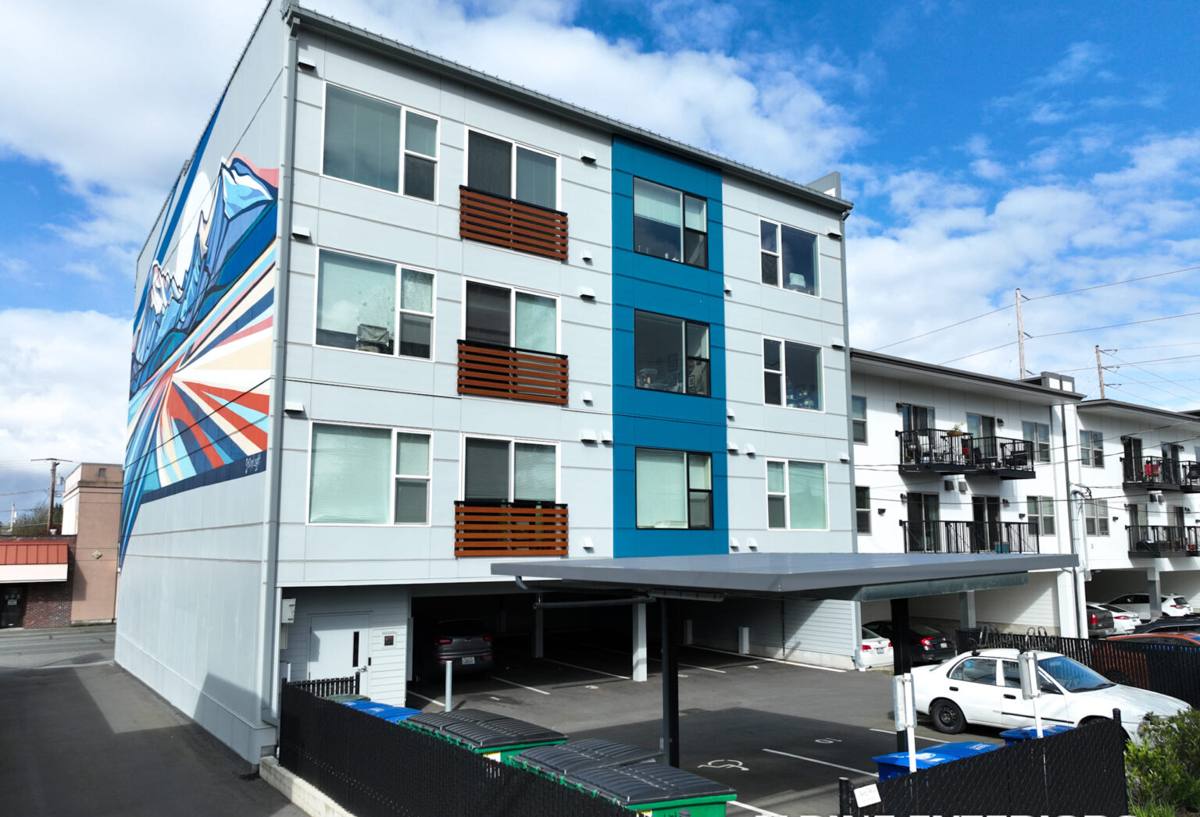
How to Tell a Birch Bay Home Needs Siding Replaced, Not Patched
Not every siding problem calls for a full replacement. But in a marine climate like Birch Bay's, siding tends to fail more broadly and more quickly once it starts failing at all, because moisture that gets behind one section usually isn't staying contained to just that section.
Signs Worth Taking Seriously
- Soft, spongy, or crumbling siding when you press on it, especially near the bottom of walls or around window and door trim
- Persistent moss or dark staining that returns quickly after cleaning, particularly on north-facing or tree-shaded walls
- Visible warping, cupping, or gaps opening up between boards or panels
- Paint that keeps failing — bubbling, peeling, or chalking faster than a normal repaint cycle would explain
- Rust streaking from fasteners or corroded trim, more common this close to the water
- Interior signs: staining on ceilings or walls near exterior corners, or a musty smell in rooms along an exterior wall
What's Usually Happening Behind the Surface
By the time siding shows visible damage on a waterfront property, moisture has often been working behind it for a while. Wind-driven rain finds its way past aging caulk, warped boards, or gaps at trim and works its way to the sheathing underneath. Once sheathing and framing start absorbing that moisture repeatedly, patching the visible siding doesn't solve the underlying problem — it just covers it back up until it resurfaces, usually somewhere else on the same wall. That's the point where replacement, not repair, is the honest recommendation.
What a Correct Siding Replacement Involves
A siding replacement is really two jobs stacked together: taking the old system off correctly, and putting a new one on to spec. Skipping steps on either half is where most premature failures start.
Tear-Off and Inspection
Removing the old siding is also the only real chance to see what's been happening underneath it. We look at the sheathing, framing, and any existing moisture barrier for rot, soft spots, or staining before anything new goes up. On a Birch Bay property, this step matters more than it would somewhere drier, because sustained salt air and driving rain make hidden moisture damage more common, not less.
Repairing What Tear-Off Reveals
If sheathing or framing has taken on damage, it gets addressed before new siding goes on — not covered over. Installing new siding over compromised sheathing just resets the clock on the same problem with a fresh coat of paint over it.
Moisture Barrier and Drainage Plane
A properly lapped weather-resistive barrier goes on the sheathing, shingled correctly so water sheds downward and outward at every seam. On homes exposed to direct wind off the water, we build in a rain screen gap — a small drainage cavity behind the siding — so any moisture that does get past the outer surface has somewhere to drain and dry instead of sitting against the wall.
Fastening, Flashing, and Joints
Fastener type and spacing follow the manufacturer's spec, not a shortcut version of it. Flashing at windows, doors, and roof-to-wall transitions gets properly lapped and integrated with the new siding rather than treated as an afterthought. Butt joints and trim transitions get sealed correctly, because those seams are exactly where salt-laden moisture finds its way in first on a coastal home.
Why We Only Replace Siding With James Hardie Fiber Cement
We install one siding system: James Hardie fiber cement. Not LP SmartSide, not vinyl, not Cemplank, not Allura, not primed spruce or cedar. That's a professional standard we've settled on, and on a waterfront job like Birch Bay it matters more than it would in a milder climate.
- Non-combustible core: Fiber cement doesn't feed a fire the way wood-based siding products can.
- Factory-applied ColorPlus finish: The color is baked on in a controlled factory process, not brushed on in the field, so it resists fading and chalking longer under constant salt air and UV exposure.
- Climate-engineered HZ product lines: Hardie's HZ5 formulation is built for regions with heavy moisture exposure and freeze-thaw cycling — a good match for waterfront Whatcom County.
- Dimensional stability: Fiber cement doesn't swell, cup, or warp the way wood-based or engineered wood siding can after repeated wet-season exposure.
- Strong transferable warranty: Hardie backs the product with one of the more robust warranty structures in the industry, provided the installation follows their spec — which is on us to get right.
Every one of those other products has a legitimate place in the market, and plenty of homeowners are satisfied with them in less demanding conditions. But on a property that sits directly in the path of salt air and driving rain, we'd rather stand fully behind one system than offer something cheaper that quietly shifts maintenance risk back onto the homeowner a few years down the road.
Tear-Off Replacement vs. Installing Over Existing Siding
Overlaying new siding directly over old siding is sometimes offered as a faster, cheaper option. In a climate like Birch Bay's, we don't recommend it. Overlaying seals moisture that may already be trapped behind the old siding against the sheathing, with no way to inspect or dry it out. It also means any rot or damage already present keeps working on the structure, just hidden behind a new surface. A full tear-off costs more upfront, but it's the only way to actually know what condition the wall is in — and on a waterfront property, that's not a detail worth skipping.
Our Siding Replacement Process
We start with an on-site inspection of the existing siding and, where visible, the trim and flashing around it, looking specifically for how moisture has been getting in and how far it's traveled. From there we put together a clear, written scope of work before any tear-off begins. Once the old siding comes off, we assess the sheathing and framing directly, address anything that needs repair, and install the new moisture barrier, rain screen detailing, and James Hardie siding to spec. We walk the finished work with the homeowner before calling the job done.
Cost Factors for a Birch Bay Siding Replacement
| Factor | What It Affects | Birch Bay-Specific Consideration |
|---|---|---|
| Home size and wall complexity | Material and labor quantity | More trim and corners mean more joints exposed to wind-driven rain |
| Sheathing or framing condition | Repair scope discovered at tear-off | Waterfront exposure makes hidden moisture damage more common |
| Siding profile and finish | Material cost | Factory ColorPlus finish costs more upfront, less upkeep in salt air |
| Rain screen and drainage detailing | Labor and material | More valuable on walls that take direct wind off the water |
| Trim and flashing complexity | Labor time | Every seam is a potential entry point for driving rain |
These are general cost drivers, not a quote. Two Birch Bay homes with the same square footage can need very different scopes once old siding comes off and the sheathing underneath is actually visible, which is exactly why we walk the property in person before putting a real number on the work.
Timing a Replacement Around Local Weather
Whatcom County's wettest, windiest stretch generally runs from late fall through winter, and Birch Bay's open exposure to the water makes that season a little tougher on both the crew and the materials than it is further inland. Spring and summer tend to offer more stable, drier working conditions, which matters because moisture barriers, sealants, and fiber cement all perform best when they're installed and allowed to set up without a storm rolling through mid-project. That said, siding that's actively letting water into the wall shouldn't wait for the ideal season — active moisture damage gets worse the longer it sits, regardless of the calendar.
Why Hiring a Crew That Already Works Birch Bay Matters
A contractor who regularly works this stretch of coastline already knows how salt air, driving rain, and a long moss season behave on real homes here — not just on a manufacturer's spec sheet. That shows up in specific decisions: where a rain screen gap is worth the extra labor, which walls need closer attention to flashing, and which fastener grade actually holds up against salt exposure over years, not months. It also means fewer surprises during tear-off, because a crew that's opened up enough Birch Bay walls has a good sense of what waterfront exposure typically does to sheathing and framing before they even get started.
A Simple Checklist Before Hiring for a Siding Replacement
- Ask whether they recommend tear-off or overlay for your home, and why
- Confirm current Washington contractor licensing and active insurance
- Ask what siding material they install and whether they'll put their warranty behind it
- Ask how they handle sheathing or framing repair if it's discovered during tear-off
- Get a clear, written scope of work — including flashing and drainage detailing — before signing anything
If your Birch Bay home's siding is showing signs of wear, or you just want an honest read on whether repair or full replacement makes more sense, we're glad to take a look. Reach out using the form below for a free, no-pressure estimate.