 Blaine Roofing
 Roofing on Blaine Harbor's Edge of Whatcom County
Blaine Harbor sits about as close to the water as a Whatcom County neighborhood gets, and that proximity shapes everything about how a roof ages here. Homes along the harbor take a steady diet of salt-laden air off the Strait of Georgia, wind-driven rain that comes in sideways more often than straight down, and a moss season that can stretch from fall through spring in the shaded, damp pockets so common near the water. An asphalt shingle roof that would perform fine twenty miles inland can wear out faster in Blaine Harbor if it wasn't built with these specific conditions in mind.
This page is about one job done right: asphalt shingle roofing, installed or replaced specifically for homes in this harbor-adjacent part of Blaine. We're not going to give you a generic rundown of shingles in general — we'll walk through what actually matters for a roof that has to hold up against salt air, driving rain, and moss, year after year.
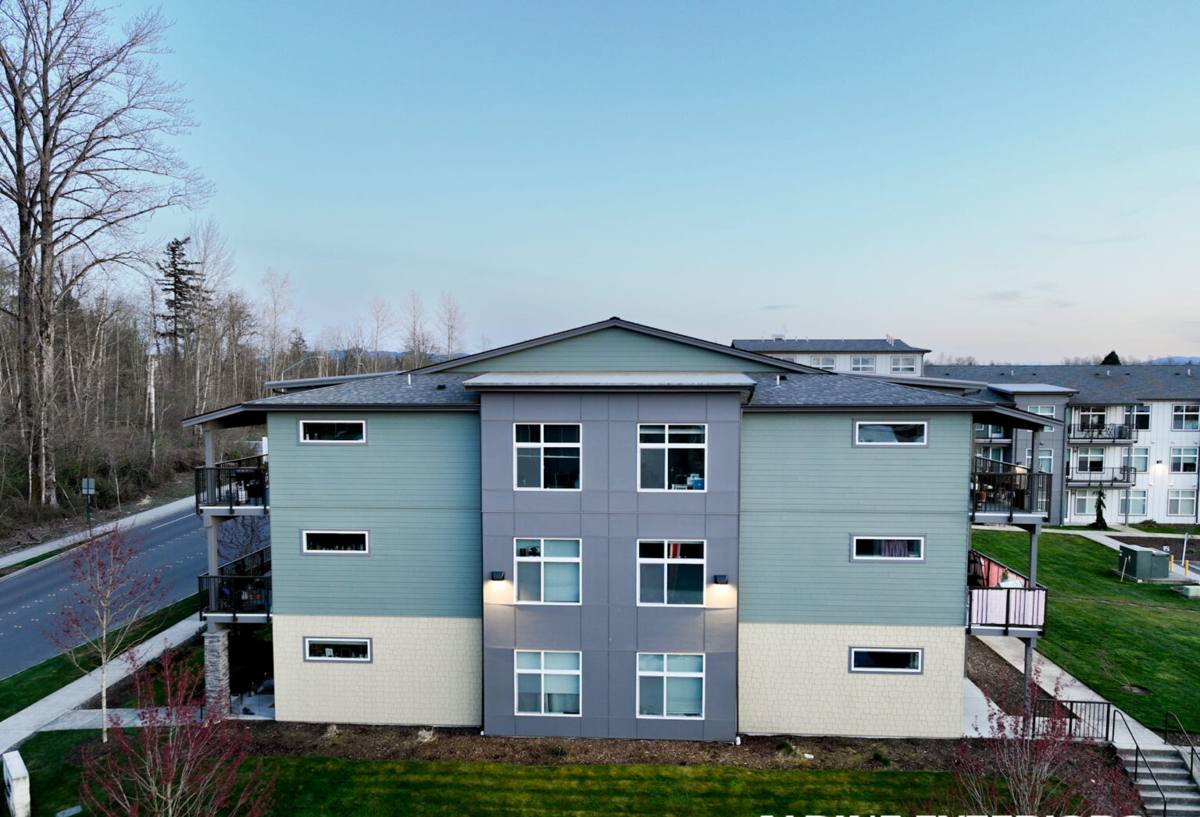
What Salt Air, Rain, and Moss Actually Do to a Roof
Salt Air
Airborne salt doesn't rot shingles the way it corrodes metal, but it does accelerate wear on the metal components every shingle roof depends on — flashing, drip edge, nail heads, and vent housings. Salt exposure speeds up corrosion on lower-grade fasteners and unprotected metal, which is exactly where roof leaks tend to start: not through the shingle field, but at the edges, valleys, and penetrations.
Driving Rain
Whatcom County storms coming off the water frequently push rain at an angle rather than straight down. That matters because it drives water up and under shingle tabs, into valleys, and around chimneys and skylights with more force than a calm, vertical rain would. A roof system that relies on gravity alone to shed water — thin underlayment, minimal flashing, wide-open valleys — is more likely to leak in these conditions, even if the shingles themselves are in decent shape.
Moss
Shaded roof sections near mature trees, plus the region's damp, mild winters, create a long moss-growing window. Moss isn't just cosmetic. As it establishes on a shingle surface, it holds moisture against the granules and mat, lifts shingle edges as it grows, and can work its way under tabs during wind events. Left unchecked over several seasons, moss growth shortens the usable life of an otherwise sound roof.
What a Correctly Built Shingle Roof Needs in This Location
A shingle roof isn't just shingles nailed to a deck — it's a layered system, and every layer matters more in a harbor environment than it would somewhere drier and calmer.
- A sound, dry deck. Any soft or water-stained sheathing gets replaced before new material goes down, not covered over.
- Ice-and-water shield at vulnerable points. Eaves, valleys, and roof-to-wall transitions get a self-adhering waterproof membrane, not just felt, because these are the spots driving rain exploits first.
- Quality synthetic underlayment across the field. This is the roof's real second line of defense if wind ever lifts or damages a shingle.
- Corrosion-resistant flashing and fasteners. Given the salt air, we don't cut corners here — cheap galvanized flashing and standard fasteners are a false economy on a harbor-adjacent roof.
- Algae-resistant shingles where moss and algae pressure is high. Many manufacturers offer shingles with copper- or zinc-infused granules designed specifically to resist algae and moss growth over the life of the roof.
- Balanced intake and exhaust ventilation. Proper attic ventilation controls moisture from the inside, which matters as much as keeping rain out from the outside.
Our Process for a Blaine Harbor Asphalt Shingle Roof
Inspection and Tear-Off
We start by removing the existing roofing down to the deck, not layering over old shingles. That's the only way to actually see the deck's condition and catch hidden moisture damage, soft spots, or prior repair shortcuts before they become your problem again.
Deck Repair
Any damaged sheathing gets replaced. We don't install new shingles over a deck we wouldn't stand behind — a roof is only as good as what's underneath it.
Waterproofing Layer
Ice-and-water membrane goes down at eaves, valleys, and any wall or chimney transitions, followed by synthetic underlayment across the rest of the roof. This is where we build in the driving-rain protection that matters most in this location.
Flashing and Metal Work
New flashing at every penetration, valley, and roof-to-wall intersection, selected for corrosion resistance given the salt air. Reusing old flashing to save time is a shortcut we don't take.
Shingle Installation
Shingles are installed to manufacturer specifications for nailing pattern, exposure, and starter course — details that directly affect wind resistance, which matters on an exposed harbor lot.
Ventilation Check
We confirm intake and exhaust venting are balanced for the attic's size. Poor ventilation traps moisture that can damage the deck from below, regardless of how good the shingles above are.
Final Walkthrough
We walk the finished roof with you, point out what was done and why, and answer questions before we consider the job complete.
Comparing Shingle Options for a Harbor Location
| Shingle Type | Typical Lifespan | Best Fit for Blaine Harbor |
|---|---|---|
| 3-tab shingles | 15–20 years | Budget option; less wind and impact resistance than architectural — a tougher fit for exposed harbor lots |
| Architectural (laminate) shingles | 25–30 years | Our standard recommendation here — heavier, better wind ratings, wide range of algae-resistant options |
| Impact-resistant (Class 4) shingles | 25–30+ years | Worth considering for exposed sites; may qualify for insurance discounts, check with your carrier |
| Algae-resistant granule upgrade | Adds to base lifespan | Strongly recommended on shaded or north-facing sections given the long moss season |
For most Blaine Harbor homes, we recommend architectural shingles with algae-resistant granules as the baseline, upgrading to impact-rated shingles on roofs with heavy tree exposure or a history of storm damage.
Cost Factors on a Harbor-Area Roof
Every roof is priced on its own specifics, but a few factors consistently move the number on homes in this area:
| Factor | Why It Matters Here |
|---|---|
| Roof pitch and access | Steeper roofs and tighter harbor-area lots take longer and require more safety setup |
| Deck condition | Moisture-related sheathing replacement is more common near the water and adds material and labor |
| Shingle grade chosen | Architectural and impact-rated shingles cost more upfront but hold up better against wind and moss |
| Flashing scope | Full flashing replacement (our standard) costs more than reusing old flashing, but reduces leak risk substantially |
| Number of valleys, penetrations, and chimneys | Each one is a potential leak point that needs proper detailing, adding time regardless of roof size |
Living With a Shingle Roof in Blaine Harbor
A well-built roof still needs a little seasonal attention in this climate. A short annual checklist covers most of it:
- Have gutters and downspouts cleared before the fall rains start, so water isn't backing up under the lower shingle courses
- Look for moss or dark streaking on shaded, north-facing slopes each spring, and address it early rather than letting it establish
- Trim back tree limbs that overhang the roof to reduce shade, debris, and moss pressure
- Check attic ventilation isn't blocked by insulation or storage, especially after any attic work
- After major windstorms, do a visual check from the ground for lifted or missing shingles
- Have a professional inspection every few years, particularly if the roof is approaching 15–20 years old
Pressure washing moss off shingles is generally not a good idea — it can strip granules and shorten the roof's life. A gentler wash-down or a scheduled treatment is usually the safer route, and we're happy to talk through options during an inspection.
Why Local Experience on This Coastline Matters
A crew that already works Blaine Harbor knows which roof details tend to fail first in this specific environment — because we've replaced the flashing that corroded too soon, re-decked the sheathing that took on water through a valley that was never properly waterproofed, and pulled moss out from under tabs on roofs that were otherwise still sound. That experience shows up in the choices we make before the first shingle goes down: the flashing grade, the underlayment coverage, the shingle line recommended for a shaded, salt-exposed slope versus a sun-exposed one.
It also means we're familiar with the practical realities of working this part of Whatcom County — weather windows for tear-offs, typical deck conditions in older harbor-area homes, and what actually holds up here versus what just looks good on paper. That's the difference between a roof that's built for wherever, and one that's built for Blaine Harbor specifically.
Get a Straightforward Estimate
If your roof is due for a look — whether it's showing moss, you've noticed a leak after a storm, or you're just planning ahead — we're glad to come take a look and give you an honest assessment. There's no pressure and no obligation, just a clear picture of where your roof stands and what it would take to get it right. Use the form below to request your free estimate.